

Many of us are familiar with the classic, outward signs of anxiety: jittery extremities, sweating, stuttering, and even difficulty breathing. In those cases, other people around us may intervene if they notice we’re suffering. However, people who need to use invisible anxiety coping strategies often suffer silently, with their symptoms going unnoticed. These people go to work, school, and other places while struggling to keep their worries at bay. Properly identifying their symptoms and finding the right invisible anxiety coping strategies to use becomes essential for ensuring their long-term well-being.
You can answer emails, show up for work, laugh with friends, take care of your family, and still feel intensely anxious underneath it all. When anxiety isn’t obvious to the people around you, it can feel surprisingly isolating. Learning invisible anxiety coping strategies can help you recognize what’s happening internally and find ways to manage those feelings, even when nobody else realizes you’re struggling.
You don’t have to wait until anxiety becomes visible to everyone around you before paying attention to how you’re feeling. Understanding your triggers, noticing physical and emotional patterns, setting boundaries, and finding healthy ways to regulate stress can all make a difference. The invisible anxiety coping strategies ahead are meant to help you better understand what you’re experiencing and find practical ways to support yourself when your internal reality doesn’t match what everyone else sees.
This article addresses invisible anxiety from all angles. In it, you’ll learn what invisible anxiety is and get the chance to see if your symptoms match up. You’ll also learn some tips for handling your invisible anxiety so that you feel more calm, centered, and ready to conquer the day!
What Is Invisible Anxiety?

Invisible anxiety refers to a type of anxiety that remains less noticeable to other people. Those who have invisible anxiety often hide their suffering under a mask that appears calm and well-regulated when around friends, family, and co-workers. These people go to work, school, and other places without their anxiety interrupting their day to a noticeable degree. As such, some people call invisible anxiety “high-functioning anxiety.” Just because invisible anxiety is less noticeable doesn’t mean it’s less disruptive. People who suffer from invisible anxiety often experience:
- Racing thoughts
- Decreased concentration
- Sleep problems
- Burnout from the constant fight-or-flight feeling
- A rapid heartbeat
- A sense of doom
- Trouble breathing
- Tightness in the chest
Many of these symptoms also overlap with medical conditions, so if you have them, you should see a doctor. However, having them together might point to elevated levels of anxiety, which decreases life satisfaction and increases health risks. So, knowing the proper invisible anxiety coping strategies is crucial for recovery.
Related: Invisible Anxiety: The Subtle Signs of Clinical Stress
What Are Invisible Anxiety Coping Strategies?
Coping strategies consist of a group of actions and activities mental health experts teach people to do to help them survive uncomfortable feelings and emotions. Some coping strategies work for some people, while others find different coping strategies more effective. So, counselors, psychiatrists, and psychologists often recommend people try a few coping skills and see which ones are the most effective.
Related: Top Coping Skills for Anxiety
Invisible Anxiety Coping Strategies to Try
Invisible Anxiety Coping Strategies 1: Talk to Somebody
Invisible anxiety often feels incredibly lonely. Because no one notices the suffering, people may feel like they’re the only ones going through it. They may also worry that letting their mask slip may mean they’ll lose their jobs or become embarrassed. As such, one of the best ways to break through the loneliness and move on to healing is to talk to someone trustworthy.
For many people, this person may be a friend or a loved one. Others prefer to see a professional counselor, who is bound by America’s HIPAA laws to maintain complete confidentiality in all but extremely specific circumstances, which are usually addressed prior to treatment. Counselors are specifically trained in treating anxiety, and many therapy modalities, especially cognitive-behavioral therapy (CBT) and exposure and response prevention (ERP) target anxiety directly.
If you would like to get started on your counseling journey, Betterhelp is ready to assist. As one of the largest providers of virtual therapy, Betterhelp uses a quick assessment to match you with one of their thousands of qualified therapists. You’ll then meet with your counselor virtually. If they’re not the right fit, all you need to do is press a few buttons, and Betterhelp will help you find a new therapist!
Invisible Anxiety Coping Strategies 2: Take Anti-Anxiety Supplements
Human bodies contain a delicate balance of chemical reactions that sometimes make us feel anxious when they’re not working as well as they should. So, taking anti-anxiety supplements, like the ones available at iHerb, can help you feel calmer. Please note that supplements are not a substitute for doctor-recommended anti-anxiety treatment, and if you feel you ned to see a doctor about your symptoms, you should consult a psychiatrist.
Invisible Anxiety Coping Strategies 3: Use Mindfulness Techniques
When people seek out therapy for anxiety, the therapist may recommend using mindfulness as one of their invisible anxiety coping strategies. Mindfulness is an umbrella term for several different practices. Each of them increases your awareness of the present moment and decreases your concentration on worrying thoughts.
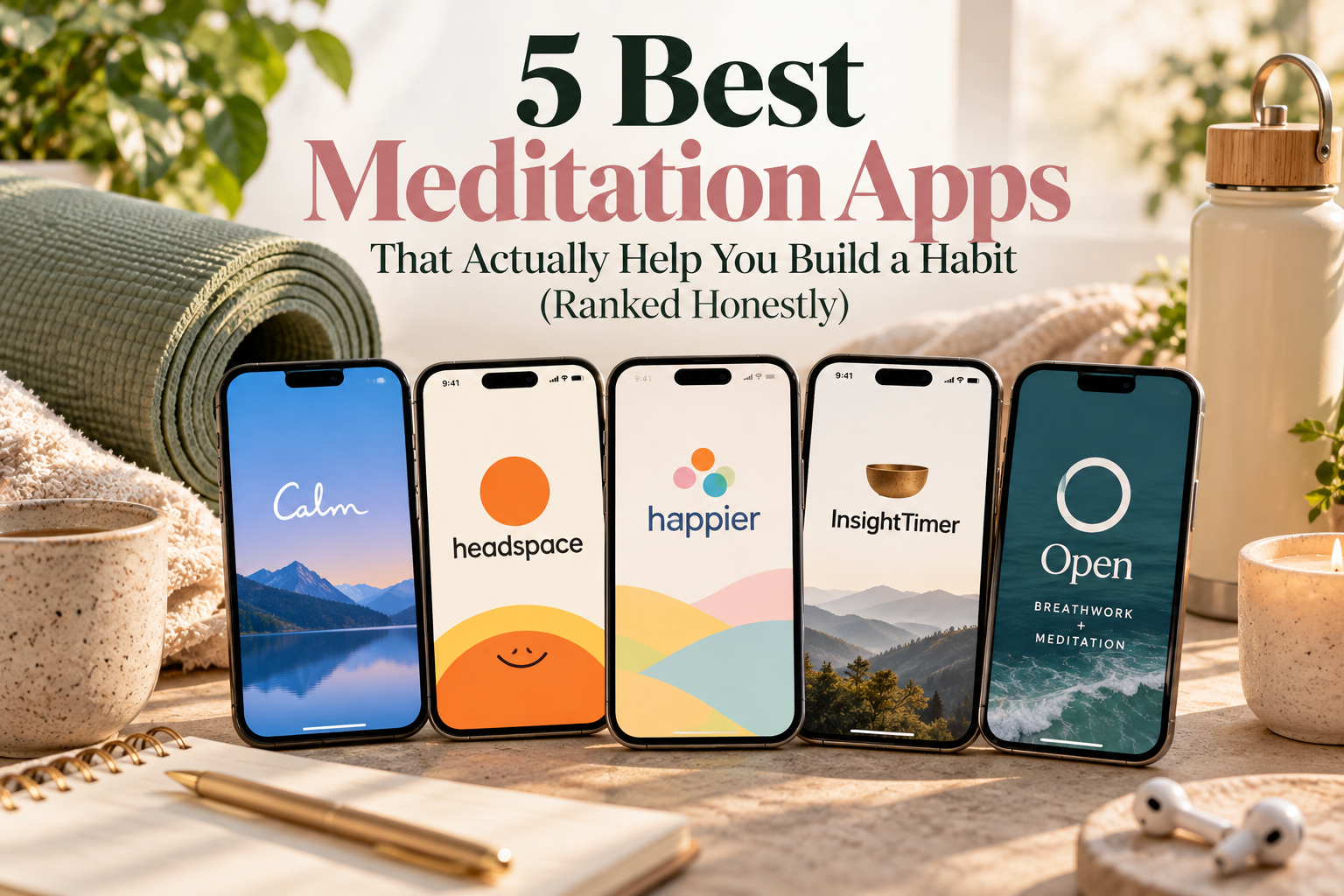
Meditation comprises one of the most well-known forms of mindfulness. While it originated from Buddhist monks, it doesn’t need to be religious. Instead, you can use guided meditation to feel calmer. The Calm app features many guided meditations of various durations, making it easy for beginners and more advanced meditators to dive in.
Invisible Anxiety Coping Strategies 4: Use Visualization Techniques
Akin to mindfulness, visualization techniques take your mind off the things you’re worried about and refocus it on something else. Unlike mindfulness, visualization techniques train your concentration on happy thoughts that aren’t happening directly around you. It’s a bit like daydreaming with a purpose!
To practice visualization, find a comfortable, seated position and close your eyes. Take 3 deep breaths, then think of a calm, happy space. Notice everything you can about the space, including what you can see, smell, hear, and taste. Pay attention to whether you’re inside or outside, as well as who’s with you (or if you’re alone). Once everything is as clear as it can be, return your attention to the present and open your eyes.
Related: Why You Wake Up Anxious: Morning Anxiety Causes and How to Calm Them
Why Do Some People Hide Their Anxiety?

People may hide anxiety because they fear judgment, feel pressure to stay composed, or have gotten used to functioning through uncomfortable feelings. Sometimes the people around them genuinely have no idea anything is wrong. Understanding why anxiety gets hidden can also make invisible anxiety coping strategies more useful, since managing anxiety often starts with recognizing what you’re experiencing rather than automatically covering it up.
Fear of Being Judged or Misunderstood
Talking about anxiety can feel vulnerable, particularly when you’re worried that someone will dismiss what you’re experiencing or see you differently afterward. You might wonder whether people will think you’re overreacting, being dramatic, or incapable of handling something that seems easy for everyone else.
That fear can make staying quiet seem simpler. Someone may continue going to work, spending time with friends, taking care of responsibilities, and appearing completely fine while keeping their anxious thoughts private. Unfortunately, constantly trying to conceal how you feel can become exhausting in its own way.
Feeling Pressure to Appear in Control
Some people become very good at looking calm when they’re anything but calm internally. Maybe you’re the person everyone depends on, your job requires you to stay composed, or you’ve built an identity around being capable and organized. Admitting that you’re overwhelmed can feel surprisingly difficult when you’re accustomed to being the one who has everything handled.
This can also make it harder to use invisible anxiety coping strategies when you need them. If most of your energy is going toward appearing fine, you may be less likely to take a break, set a boundary, ask someone for help, or acknowledge that something is becoming too much.
Getting Used to Pushing Through Anxiety
Anxiety doesn’t always stop someone from getting things done. You may still meet deadlines, answer messages, show up for appointments, take care of your family, and handle everything on your list while worrying or overthinking the entire time.
When you’ve functioned this way for a long time, pushing through can start to feel normal. You may automatically ignore tension, racing thoughts, irritability, or exhaustion because you’ve learned that you can keep going despite them.
Invisible anxiety coping strategies can create opportunities to respond differently. Instead of waiting until stress becomes overwhelming, you can begin noticing the earlier signs that you need rest, support, a boundary, or another healthy way to manage what you’re feeling.
Not Realizing How Anxious You Actually Feel
Sometimes anxiety stays hidden because the person experiencing it hasn’t fully recognized it either. Constant worrying might feel like being prepared. Perfectionism can look like having high standards, while difficulty relaxing may simply seem like having a busy personality.
Paying attention to patterns can help you notice when those feelings are affecting your sleep, concentration, relationships, mood, or ability to enjoy everyday life. Invisible anxiety coping strategies become much easier to use intentionally once you’ve recognized the thoughts, situations, and physical sensations that tend to accompany your anxiety.
Related: What Is High-Functioning Anxiety and How Do You Know If You Have It?
Keeping Yourself Healthy in the Long Run Using Invisible Anxiety Coping Strategies

Just like any other part of your health, maintaining your mental health requires consistent upkeep, especially if you have invisible anxiety or another condition. Implementing the invisible anxiety coping strategies, even micro-habits, listed above once may help in the moment, but true improvement occurs when you make them part of your daily routine. As such, find a way to intentionally add them into your daily life, even if you can only do them for a few minutes at a time.
Pay attention to what your mind and body have been telling you, especially if you’ve become skilled at looking fine while feeling anything but fine. Using invisible anxiety coping strategies now can help you create space between yourself and the constant worrying, tension, or overthinking that may be quietly draining your energy.
Some days, that might mean stepping away for a few minutes, grounding yourself in what’s happening around you, writing down the thoughts circling through your head, or telling someone you trust that you’re having a difficult day. Other times, you may need stronger boundaries or support from a mental health professional. Invisible anxiety coping strategies aren’t about finding one perfect technique that makes every anxious feeling disappear. They’re tools you can return to when anxiety starts taking up more space than you’d like.
You may need to try several invisible anxiety coping strategies before you find the right ones. If mindfulness doesn’t work, try visualization or talking to a friend! Other self-care techniques can also double as invisible anxiety coping strategies, so feel free to use the ones that feel right for you!
Start with one small change you can realistically use today! Pay attention to when anxiety appears, notice what seems to intensify it, and give yourself permission to seek support even if everyone around you thinks you’re doing fine. The right invisible anxiety coping strategies can help you respond to what you’re actually feeling instead of measuring your wellbeing by how composed you look from the outside.
Read Next: What Is an Adjustment Disorder with Mixed Anxiety and Depressed Mood?




 Dive into insightful articles on health and wellness, nutrition, fitness, mental serenity, and so much more.

