
19.1% of the U.S. adult population qualified for an anxiety disorder diagnosis in the past year. That number includes 40 million adults, and childhood anxiety is also on the rise. In fact, anxiety is the most common type of mental health concern, and even people who don’t have anxiety disorder likely experience it at some point in life. Learning coping skills for anxiety helps people get through minor and severe episodes alike. Even if you’re not often anxious, you can benefit from learning these coping skills so you can teach them to others if you find them in the middle of a crisis.
What Is Anxiety?
Before we get into coping skills for anxiety, we need to define what it is and what it’s not. The professional definition states anxiety occurs when a person becomes emotionally and physically tense when anticipating an event in the future, usually because of projected a negative outcome. Such negative predictions come along with tightened muscles, racing thoughts, difficulty breathing, and constant and uncontrollable worry.
Most people confuse anxiety with stress and fear. Here’s the difference: stress occurs when a specific event is coming up, such as a test or public speech. The stress might feel more intense as the event comes closer, but it usually dissipates shortly after the conclusion. If someone has anxiety, they event will pass, but the anxiety will attach onto something else and remain persistent.
Fear is a biological response to a perceived threat that prompts the person to take action. It crops up when a certain stimulus is present and typically goes away once the stimulus is gone. Anxiety, on the other hand, may cause the person to believe a feared object is lurking nearby or somewhere in the future without having any reason to believe so.
Let’s make this clear: everyone has anxiety. In fact, normal levels of anxiety can be healthy and increase functioning. For example, if someone worries about passing a test and the anxiety causes them to study more, they’ll likely do better on the test.
What Is an Anxiety Disorder?
Anxiety can also become debilitating, however. Anxiety disorders tend to occur when the anxiety begins interfering with the person’s life in a negative manner. For example, someone with an anxiety disorder might avoid the situations that prompt the anxiety. This leads people to miss social events, delay themselves from reaching milestones, or miss days at work or school. Unfortunately, avoiding the situation only provides temporary relief and ultimately reinforces the anxiety, causing it to grow stronger.
People experiencing an anxiety disorder may also notice their distress levels increasing. If your anxiety begins to bother you on a regular basis, you may have an anxiety disorder.
Several types of anxiety exist. According to the Diagnostic and Statistical Manual for Mental Disorders, the main diagnostic tool used by mental health professionals, here is the diagnostic criteria for the most common type of anxiety, Generalized Anxiety Disorder:
A. Excessive anxiety and worry (apprehensive expectation), occurring more days than not for at least 6 months, about a number of events or activities (such as work or school performance).
B. The individual finds it difficult to control the worry.
C. The anxiety and worry are associated with three (or more) of the following six symptoms (with at least some symptoms having been present for more days than not for the past 6 months): Note: Only one item is required in children.
1. Restlessness or feeling keyed up or on edge.
2. Being easily fatigued.
3. Difficulty concentrating or mind going blank.
4. Irritability.
5. Muscle tension.
6. Sleep disturbance (difficulty falling or staying asleep, or restless, unsatisfying sleep).
D. The anxiety, worry, or physical symptoms cause clinically significant distress or impairment in social, occupational, or other important areas of functioning.
E. The disturbance is not attributable to the physiological effects of a substance (e.g., a drug of abuse, a medication) or another medical condition (e.g., hyperthyroidism).
F. The disturbance is not better explained by another mental disorder (e.g., anxiety or worry about having panic attacks in panic disorder, negative evaluation in social anxiety disorder, contamination or other obsessions in obsessive compulsive disorder, separation from attachment figures in separation anxiety disorder, reminders of traumatic events in posttraumatic stress disorder, gaining weight in anorexia nervosa, physical complaints in somatic symptom disorder, perceived appearance flaws in body dysmorphic disorder, having a serious illness in illness anxiety disorder, or the content of delusional beliefs in schizophrenia or delusional disorder).
Coping Skills for Anxiety
Once you know you have anxiety, you need to learn which coping skills to use to make your life easier. If you ever feel like your anxiety is becoming too much to handle and are considering harming yourself or ending your life, please call 911, 988, or reach out to one of these resources instead of using these coping skills.
See a Mental Health Professional
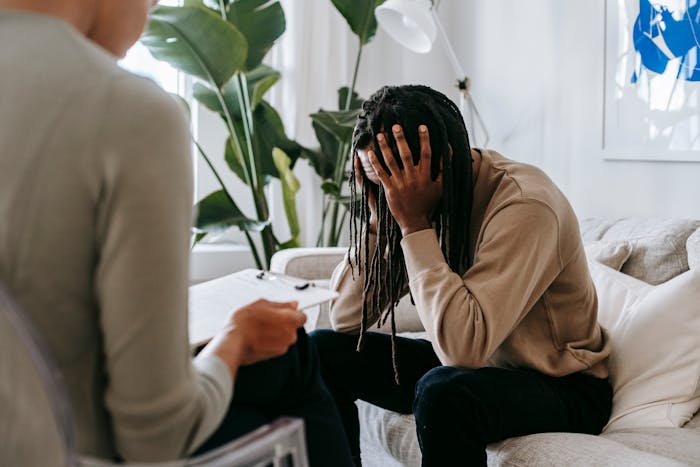
One of the most effective ways of handling anxiety long-term involves seeing a mental health professional on a regular basis.
Several different kinds of mental health professionals treat anxiety. Therapists (usually licensed counselors, some social workers, and psychologists) are trained to teach you coping skills for anxiety and help you figure out which skills work best for you. In fact, because they get to know you on a personal level, they can provide more personalized, professional advice than any article ever could!
Specifically, you’ll want to look for a therapist who specializes in treating anxiety. Many display their specialties on their website.
Additionally, you may want to see a psychiatrist or speak to your general practitioner. Psychiatrists go to medical school and practice as licensed doctors who specialize in treating mental health concerns. Most other mental health professionals cannot prescribe medication, whereas psychiatrists can.
Getting on medication for anxiety is 100% your decision. Before taking anti-anxiety medication, speak to your psychiatrist about other medications you take and any other conditions you have.
Deep Breathing
When you have anxiety, your breathing becomes shallower and smaller. In response, the nervous system activates, causing more anxiety. However, slow, deep breathing physically reverses this anxiety symptom and turns the anti-stress response on.
Begin by assuming a relaxed state. Take a normal breath and exhale for 4 seconds. Then, hold your breath for 4 more seconds. Count to 4 as you inhale, then repeat the breath hold.
Progressive Muscle Relaxation
Progressive muscle relaxation encourages the tensing and subsequent relaxing of muscle groups. It promotes increased awareness of how the mind and body are connected and reduces anxiety.
To perform progressive muscle relaxation, assume a seated position and tense one muscle group for 5-10 seconds while inhaling. Then, exhale and release the muscle group. Repeat these actions until you’ve tensed and relaxed all the muscles in your body.
Mindfulness
Anxiety loves to predict the future, often with inaccurate results. So, many mental health professionals recommend and teach mindfulness in response to anxiety.
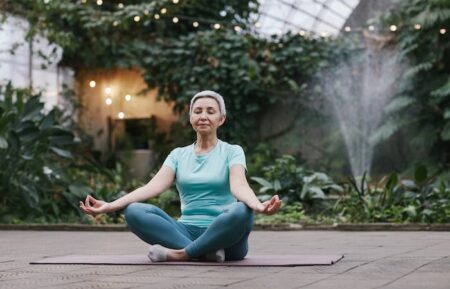
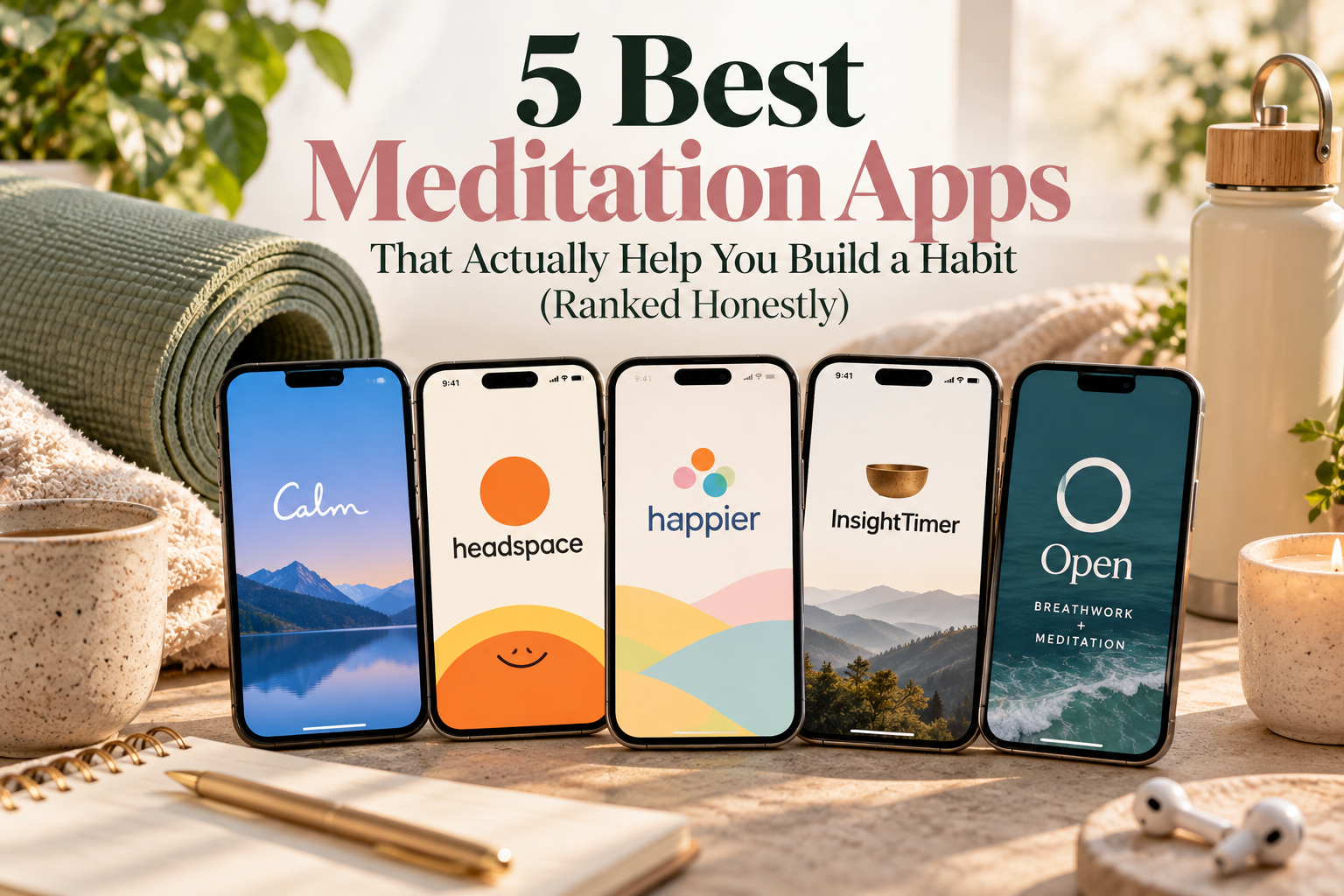
Mindful practices encourage people to stay in the present moment and notice what’s going on around them. Mindfulness can be done in most locations at any time, making it an excellent choice for busy people.
Many forms of mindfulness exist, including meditation. However, if you don’t want to meditate, you can also try noticing things in your surroundings. Try to identify different things you can see, smell, hear, and feel. Whenever your anxiety tries to redirect you to the future, bring your attention back to the present.
Consistent Exercise
Exercise releases endorphins and reduces anxiety and stress, helping you feel calmer, more peaceful, and happier. Physicians recommend getting at least 30 minutes of moderate exercise every day or 20 minutes of high-intensity work outs.
When it comes to reducing anxiety long-term, consistency is more important than what types of exercise you do. So, choose what forms of exercise are most fun for you!
Remember to consult your physician before undertaking any strenuous physical exercise, especially if you have a heart condition or other major health concern.
Listen to Music
Music influences our emotional states. When we listen, the right tunes can calm us down, lift us up, and overall help us feel better about ourselves.
So, if you love music, pop on a pair of headphones and spend some time getting lost in your favorite songs. You can even pair mindfulness with music! Try to notice new aspects of songs you love. For example, maybe you never noticed a particularly well-played bass chord or the way the synth alters the sound. Visualize the music in your mind. What story is it telling? How many details of the story do you notice?
Some people benefit from listening to music about their specific mental health struggles. If you feel comfortable and safe doing so, find some artists who create music about anxiety and listen to them when you feel like you’re the only one who struggles (you’re not!).
However, some people find listening to music about their mental health conditions makes the symptoms worse, so make sure you only listen to songs about anxiety when you feel like it won’t negatively impact you.
Surviving Anxiety
Having anxiety often makes life more difficult, but that doesn’t mean you can’t still live the life you want! Coping skills for anxiety make getting through even your worst episodes more bearable. Remember to keep living a balanced, healthy lifestyle, and use your coping tools whenever it feels overwhelming!



 Dive into insightful articles on health and wellness, nutrition, fitness, mental serenity, and so much more.

