

Summer is commonly associated with vacations, sunshine, and spending more time outdoors, but that isn’t everyone’s experience. For some people, the warmer months bring emotional changes that can be kind of confusing and difficult to explain. Recognizing summer depression symptoms is the first step toward understanding why you may not feel as energized or carefree as everyone else seems to. If you’ve noticed a change in your mood as temperatures rise, paying attention to summer depression symptoms can help you make sense of what you’re experiencing.
Feeling down during the summer can be isolating, especially when the season is often portrayed as the happiest time of the year. You might find yourself withdrawing from social events, struggling to sleep, feeling unusually anxious, or losing interest in activities you usually enjoy. Summer depression symptoms don’t always look the same from one person to the next, which is why they’re sometimes overlooked or mistaken for stress, burnout, or simply having an off week.
This helpful guide explores what summer depression symptoms can feel like, why they happen, and when they may be a sign that it’s time to seek support. Whether your emotions seem to change every summer or this is the first time you’ve noticed a seasonal pattern, understanding what’s happening can make it easier to take steps toward feeling like yourself again.
What Is Summer Depression?

Most people associate seasonal depression with cold weather and shorter days, but that’s only part of the story. Summer depression is a less common form of seasonal affective disorder that appears during the warmer months instead. Rather than feeling energized by longer days and sunny weather, some people experience emotional and physical changes that make summer surprisingly difficult. Recognizing summer depression symptoms can help explain why your mood seems to shift as the season changes.
Summer depression symptoms aren’t simply about disliking hot weather. They can affect your emotions, sleep, appetite, and ability to enjoy everyday life. Many people don’t realize these seasonal patterns are connected, which is why summer depression symptoms often go unnoticed until they begin interfering with work, relationships, or daily routines.
Signs You May Be Experiencing Summer Depression

Summer depression symptoms don’t look exactly the same for everyone. Some people notice only a few subtle changes, while others experience symptoms that have a significant impact on their daily lives. Paying attention to recurring patterns from one summer to the next can help you recognize whether what you’re experiencing may be more than temporary stress.
Some common signs include:
- Feeling sad or emotionally numb for most of the day.
- Becoming more anxious or restless than usual.
- Losing interest in hobbies or social activities.
- Having trouble falling asleep or staying asleep.
- Feeling overwhelmed by heat, crowds, or busy summer schedules.
- Eating less than usual or noticing changes in appetite.
- Becoming more irritable over small inconveniences.
- Struggling to concentrate or stay motivated.
If these summer depression symptoms continue for several weeks or return every year around the same time, it’s worth discussing them with a health care provider or mental health professional.
Common Summer Depression Symptoms
Although everyone’s experience is different, certain symptoms appear more frequently than others. Summer depression symptoms often involve a combination of emotional and physical changes, making them easy to mistake for burnout or exhaustion. Looking at the full picture instead of focusing on one symptom can provide valuable insight.
Common summer depression symptoms include:
- Persistent sadness or frequent crying.
- Increased anxiety or nervousness.
- Difficulty sleeping.
- Reduced appetite or unintended weight loss.
- Irritability or frustration.
- Fatigue despite getting enough rest.
- Trouble concentrating.
- Loss of interest in favorite activities.
- Feeling isolated even when surrounded by others.
- Thoughts of hopelessness or worthlessness.
Having one or two of these experiences occasionally doesn’t necessarily mean you have seasonal depression. A consistent pattern of summer depression symptoms that affects your quality of life deserves closer attention.
How to Feel Better During the Summer Months: When to Talk to a Mental Health Professional
Managing summer depression symptoms often starts with small, realistic changes. Maintaining a regular sleep schedule, staying hydrated, limiting prolonged heat exposure, and making time for physical activity may help improve your overall mood. Some people also find that setting boundaries around social obligations allows them to recharge instead of feeling pressured to participate in every summer event.
There are times, however, when self care alone isn’t enough. If summer depression symptoms continue for more than two weeks, interfere with work or relationships, or make it difficult to function normally, reaching out to a mental health professional is an important next step. Therapy, medication, or a combination of treatments may provide meaningful relief depending on your individual needs.
Seeking help isn’t a sign of weakness. Mental health conditions deserve the same attention as physical health concerns, and getting support early can often prevent symptoms from becoming more severe.
When Should You Seek Help for Summer Depression Symptoms?
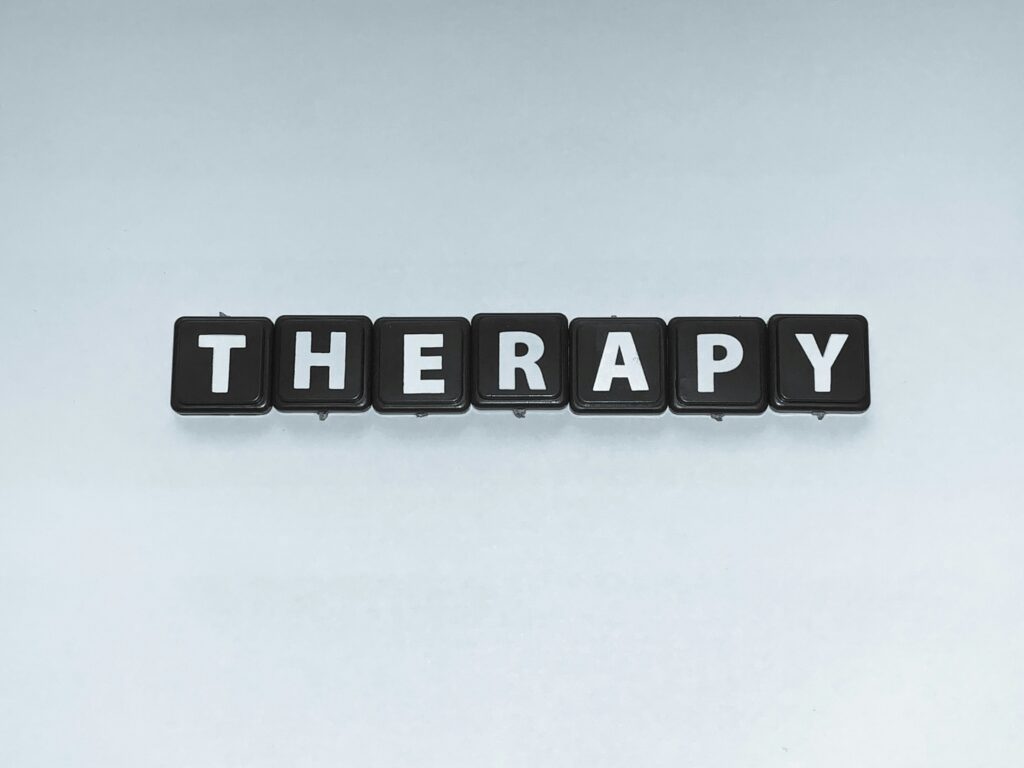
Many people wonder whether what they’re feeling is simply a temporary slump or something more serious. One of the biggest signs it’s time to seek help is when summer depression symptoms begin interfering with your ability to enjoy life or complete everyday responsibilities. You don’t have to wait until things become unbearable before asking for support. Consider scheduling an appointment with a health care provider or mental health professional if:
- Summer depression symptoms last longer than two weeks.
- Your symptoms return every summer.
- You’re withdrawing from family and friends.
- Sleep problems or appetite changes become severe.
- Your work, school, or relationships are suffering.
- You feel hopeless or struggle to find enjoyment in daily life.
- You have thoughts of harming yourself.
Recognizing summer depression symptoms early can make treatment more effective and help you regain a sense of balance before the season feels overwhelming. You can find help online at Talkiatry, or if you’d prefer hybrid or in-person options better, check out BetterHelp.
Related: Online Therapy vs. In-Person Therapy – Which One Is Right for You?
You Don’t Have to Ignore What You’re Feeling

It’s easy to brush off emotional changes by telling yourself they’ll pass once the season changes, but your mental health deserves attention no matter what time of year it is. Recognizing summer depression symptoms early can help you identify patterns, make healthy adjustments, and reach out for support before those feelings become more overwhelming. Taking your emotions seriously isn’t overreacting. It’s an important part of caring for yourself.
Many people are surprised to learn that seasonal depression isn’t limited to the colder months. Summer depression symptoms are real, and they can affect your sleep, mood, appetite, relationships, and overall quality of life. Understanding that you’re not alone can make a meaningful difference, especially if you’ve been wondering why summer feels so much harder than expected.
If these feelings sound familiar, consider talking with a trusted health care provider or mental health professional. The sooner you recognize summer depression symptoms, the sooner you can begin finding strategies that help you feel better. Every season should offer the opportunity to enjoy life, and with the right support, brighter days can become more than just the weather outside!
Read Next: What Do Blood Work Results Mean? Explained Simply






 Dive into insightful articles on health and wellness, nutrition, fitness, mental serenity, and so much more.

