
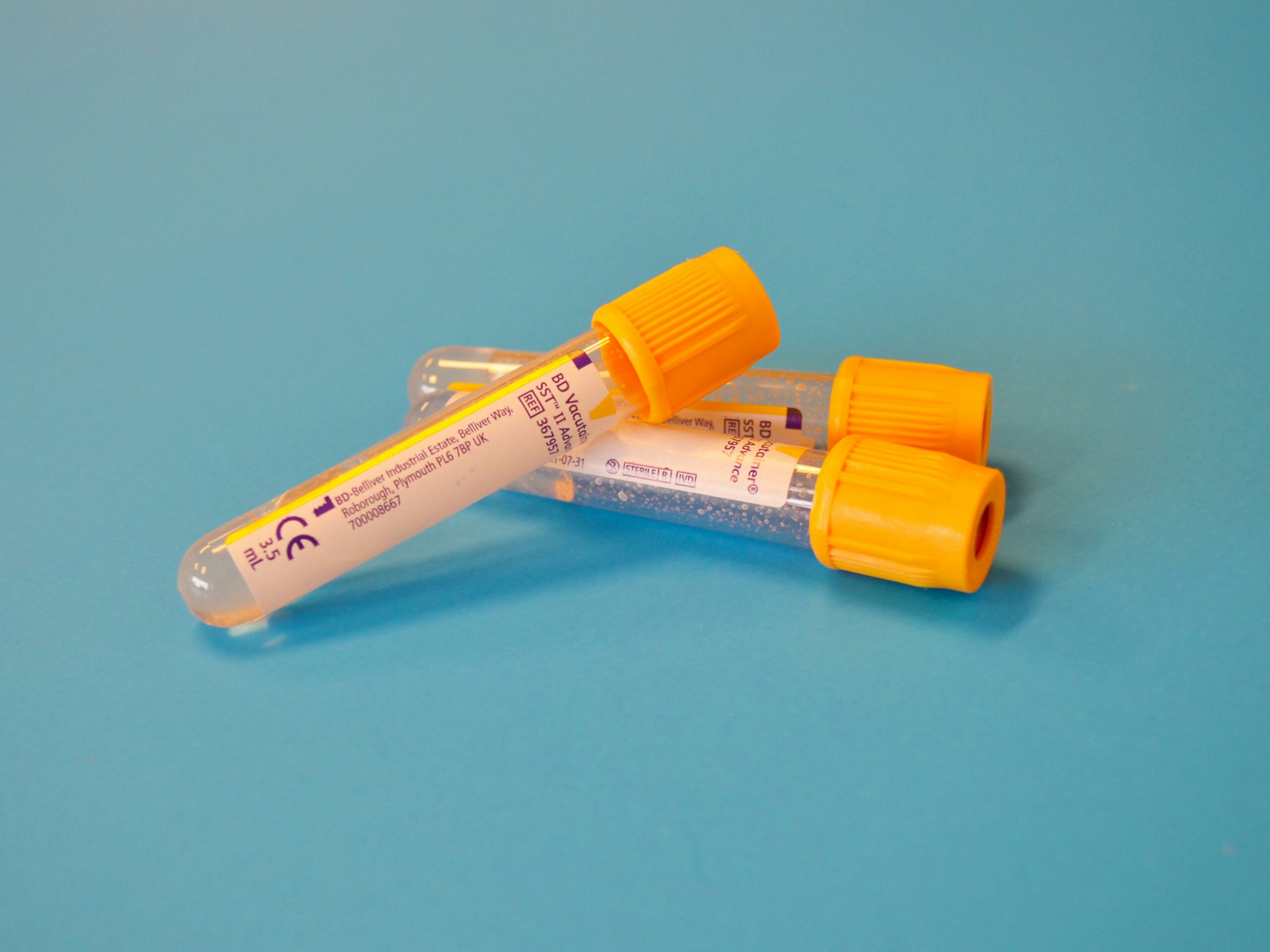
What do blood work results mean? Your annual blood work tests provide vital information about your overall health and wellness. They often go beyond what X-rays and MRIs can do and show what occurs on a microscopic level. Unless you’re a physician, however, you might be asking yourself, “What do blood work results mean, and do I need to be concerned?”
Each person’s health profile is unique, and your doctor will be able to interpret your results in a personalized manner, much better than this article can. As such, although the content in this article comes from the most recent scientific research, you should not use it to replace consulting with your doctor. Still, knowing how to answer “What do blood work results mean?” may placate some of your fears going into your next appointment and highlight some areas for further questions from your doctor.
What Do Blood Work Results Mean?

The term “blood work” refers to a large number of tests medical professionals can run in a lab using vials of a person’s blood. Your clinician may order blood work for a variety of reasons, ranging from routine maintenance to checking for more serious disorders. Most likely, you’ll need to schedule a follow-up appointment after you test so that your doctor can read your results to you. If you want, you can also get access to many different blood work tests at Function Health!
No matter what particular aspect your doctor is looking at, your results will indicate whether or not a certain result is within a normal range. Normal ranges are most likely to reflect that everything is working as it should, while results outside of the normal range might indicate areas for potential monitoring or medical intervention. Here’s an important thing to remember: not all results outside of the normal range indicate something seriously wrong. If you notice something outside of the normal range, ask your doctor about it.
Below, we’ll go into the most common things doctors look at in blood work results to help you answer the question: “What do blood work results mean?”
Complete Blood Count (CBC)
Think of this as taking attendance, blood cell style! Your Complete Blood Count (CBC) tells the doctor how well your blood is performing its vital functions. In most cases, your CBC will be divided into three parts: your Red Blood Cells (RBC), White Blood Cells (WBC), and platelets.
Red Blood Cells (RBC)
While all blood contains both RBCs and WBCs, each type of cell serves a different purpose. RBCs get oxygenated through a diffusion process and get pumped by the heart to the other parts of the body. As such, they play the vital role of getting oxygen to each of your vital organs, such as the heart and brain. Without RBCs, your body does not get a proper supply of oxygen and becomes more tired and fatigued.
A high RBC count may indicate:
- Lung or heart disease
- Dehydration
- A life lived at high altitudes
A low RBC count may indicate:
- Anemia (the lack of oxygenated blood to organs)
- Blood loss
- Deficiencies in bone marrow
- Unmet nutritional needs
White Blood Cells (WBCs)
WBCs, on the other hand, fight infection. They detect foreign items in the bloodstream and attack them, sometimes neutralizing an invading bacteria before you have the opportunity to get sick. If you don’t have enough WBCs, your body’s ability to fight infection drastically diminishes.
A high WBC count indicates potential:
- Inflammation and infection
- Increased stress
- Specific forms of cancer
A low WBC count indicates potential:
- Issues with bone marrow and autoimmune disorders
- Medicinal side effects
- Viruses
Comprehensive Metabolic Panel (CMP)
Your Comprehensive Metabolic Panel (CMP) measures both your kidney and liver function and provides feedback on your hydration and blood sugar levels. To properly look at CMP results and figure out “What do blood work results mean?” let’s break it down by kidney and liver function tests, glucose levels, and electrolytes.
Kidney Function Tests
Kidney tests look for nitrogen waste in the blood and elevated creatinine levels. High amounts of nitrogen waste might indicate:
- Kidney disease
- Dehydration
- A lot of protein in your diet.
On the other hand, low amounts of nitrogen waste can mean:
- A need for better nutrition
- Liver disease.
High creatinine may also indicate:
- Kidney disease
- Decreased kidney function
- Dehydration.
Liver Function Tests
To look at your liver and understand “What do blood work results mean?” your doctor might examine 3 key factors: alanine aminotransferase (ALT), aspartate aminotransferase (AST), and bilirubin.
ALT is an enzyme. In particular, it’s found in your liver. Elevated levels can mean:
- You have a medication-induced liver injury
- Hepatitis
- Fatty liver disease
Like ALT, AST can be found in the liver. It’s also found in the heart and other tissues. Here’s what elevated levels of AST might indicate:
- Heart conditions
- Liver disease
- Injuries to the muscle
Finally, bilirubin comes from broken-down red blood cells. It’s one of the body’s waste products, and someone might experience jaundice when bilirubin levels rise. In addition, heightened bilirubin levels might point to:
- Gallbladder problems
- Liver disease
- A concerning level of red blood cell breakdown
Lipid Panel
If you’re worried about your heart health, you’ll want to pay attention to your lipid panel as you’re trying to figure out “What do blood work results mean?” It takes stock of the fats in your blood. As a result, it can give you really great information about your cardiovascular health.
Cholesterol
Your total cholesterol panel measures the amount of cholesterol in your blood overall. However, your doctor will likely be more interested in the sub-categories of cholesterol. The sub-categories include your LDL and HDL.
What do blood work results mean in terms of your LDL and HDL? Let’s start with the LDL. Referred to as “bad cholesterol,” it can cause buildup in your arteries, giving you a higher risk of a heart attack or stroke.
On the other hand, the HDL is often called the “good cholesterol.” It helps keep your arteries clear of “bad cholesterol” and contributes to overall heart health.
Related: Anti Inflammatory Foods Diet: 10 Foods to Add for Better Health
What Do Blood Work Results Mean? FAQs
What Do Blood Work Results Mean?
Blood work results measure different aspects of your health, including blood cell counts, organ function, cholesterol, blood sugar, hormone levels, vitamins, minerals, and markers of inflammation. Your results help healthcare providers evaluate your overall health, identify potential medical conditions, and monitor treatment progress.
Why Are Some Blood Test Results Flagged as High or Low?
Laboratories compare your results to established reference ranges based on healthy populations. A result outside the normal range doesn’t automatically mean something is wrong. Factors such as age, sex, medications, hydration, recent exercise, pregnancy, or temporary illness can influence many laboratory values. Your healthcare provider interprets results within the context of your overall health.
What Is a Complete Blood Count?
A complete blood count, commonly called a CBC, measures several components of your blood, including red blood cells, white blood cells, hemoglobin, hematocrit, and platelets. This test can help evaluate infections, anemia, inflammation, immune function, and certain blood disorders.
Should I Be Concerned About One Abnormal Blood Test Result?
Not necessarily. A single abnormal result doesn’t always indicate a medical problem. Mild abnormalities may occur because of temporary factors or normal biological variation. Your healthcare provider may recommend repeating the test, monitoring the value over time, or ordering additional testing before making a diagnosis.
How Often Should You Have Blood Work Done?
The appropriate frequency depends on your age, medical history, family history, medications, and overall health. Many healthy adults have routine blood work performed during annual wellness visits, while people with chronic health conditions may require more frequent testing as recommended by their healthcare provider.
What Do Blood Work Results Mean Beyond the Numbers?

Knowing how to understand your blood work results takes more than just reading an article or looking over the numbers yourself. After all, even “abnormal” results might not mean what you think they mean at first glance. In fact, you should contact your doctor with any possible questions.
Once you know how to answer “What do blood work results mean?” you’ll be well set up to have peace of mind and take control of your own health. While you’re waiting for your doctor’s appointment, continue caring for your body by eating well and getting plenty of exercise. That way, you’ll be ready to achieve your optimal health, no matter how your doctor answers the “What do blood work results mean?” question!
Read Next: Important Signs You Need a Therapist and How to Take the First Step







 Dive into insightful articles on health and wellness, nutrition, fitness, mental serenity, and so much more.

