
What you eat can influence inflammation in the body, which makes your everyday food choices worth paying attention to. An anti-inflammatory foods list can help you focus on nutrient rich options such as berries, leafy greens, fatty fish, nuts, whole grains, and olive oil instead of getting distracted by trendy ingredients or restrictive diet rules.
Inflammation itself isn’t always a bad thing. It’s part of the body’s natural response to injury and infection, but persistent inflammation is associated with several chronic health conditions. Rather than expecting one ingredient to solve everything, nutrition experts generally emphasize an overall eating pattern rich in fruits, vegetables, whole grains, healthy fats, and other minimally processed foods. That’s why a useful anti-inflammatory foods list should include foods you can realistically eat on a regular basis.
You probably already eat several of the foods ahead, which can make incorporating more of them surprisingly simple. A handful of berries at breakfast, leafy greens with lunch, or salmon at dinner can add valuable nutrients without requiring an entirely new way of eating. Use this anti-inflammatory foods list to discover which foods nutrition experts recommend and why they may deserve a more regular spot on your plate.
What Are Anti Inflammatory Foods?
Anti inflammatory foods are generally whole or minimally processed foods that provide nutrients and plant compounds associated with a healthy inflammatory response. Fruits, vegetables, whole grains, beans, nuts, seeds, fatty fish, and healthy oils are common examples you’ll find on an anti-inflammatory foods list. Rather than relying on one specific ingredient, nutrition experts tend to emphasize an overall eating pattern that includes a wide variety of these foods.
How Can Food Affect Inflammation?
What you eat can influence processes in the body that are related to inflammation. Diets rich in fruits, vegetables, whole grains, nuts, legumes, fish, and unsaturated fats provide fiber, antioxidants, healthy fats, and other compounds that may help support a balanced inflammatory response.
Your overall eating pattern matters more than whether you ate blueberries at breakfast or added turmeric to dinner once. An anti-inflammatory foods list is most useful as a guide for choosing a greater variety of nutrient rich foods regularly rather than treating individual ingredients as a quick fix for inflammation.
What Nutrients Are Associated With Anti Inflammatory Eating?
Many foods associated with anti inflammatory eating contain nutrients or naturally occurring compounds that have been studied for their relationship with inflammation. An anti-inflammatory foods list will often include sources of omega 3 fatty acids, fiber, antioxidants, vitamins, minerals, and plant compounds such as polyphenols.
Fatty fish such as salmon provides omega 3 fatty acids, while berries, leafy greens, nuts, olive oil, beans, and whole grains bring different nutrients to the table. Eating a variety of foods matters because no single ingredient provides everything your body needs. Filling your plate with different fruits, vegetables, healthy fats, whole grains, and protein sources is a practical way to get a broader range of nutrients without obsessing over one particular food.
Do You Need to Follow a Specific Anti Inflammatory Diet?
You don’t necessarily need a rigid meal plan or a long list of forbidden foods to eat in a way that supports your overall health. In fact, many foods you’ll see on an anti-inflammatory foods list are already part of familiar eating patterns, particularly the Mediterranean diet, which emphasizes vegetables, fruits, whole grains, legumes, nuts, olive oil, and fish.
That means you can start with changes that make sense for the way you already eat. Add berries to breakfast, choose whole grains more often, cook with olive oil, keep nuts around for snacks, or serve fish with vegetables for dinner. Using an anti-inflammatory foods list this way can make healthier eating feel much more realistic than trying to completely overhaul your diet overnight.
Anti Inflammatory Foods List: 15 Foods Nutritionists Recommend
Building an anti-inflammatory foods list doesn’t require tracking down unusual ingredients or completely changing the way you eat. Many of the foods nutrition experts commonly recommend are everyday staples you can add to breakfasts, lunches, dinners, and snacks. Here are 15 worth putting on your grocery list.
1. Blueberries

Blueberries are rich in plant compounds called anthocyanins, which give the berries their deep blue color and have been studied for their antioxidant and anti inflammatory properties. I eat blueberries regularly when they’re in season, then switch to frozen berries when fresh ones aren’t as readily available.
2. Strawberries

Strawberries bring vitamin C, fiber, and beneficial plant compounds to an anti-inflammatory foods list. They’re another fruit I eat almost every day when they’re in season, and frozen strawberries make it easy to keep adding them to smoothies, oatmeal, or yogurt throughout the rest of the year.
3. Salmon
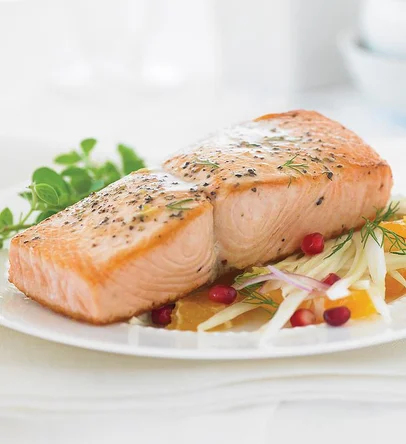
Salmon is an excellent source of omega 3 fatty acids, which have an important role in the body’s inflammatory response. Try roasting or grilling salmon and serving it with vegetables and a whole grain for a simple meal that incorporates several nutrient rich foods at once.
4. Leafy Greens

Spinach, kale, collard greens, and other leafy vegetables provide fiber, vitamins, minerals, and antioxidant compounds. Toss spinach into eggs, add greens to a sandwich or salad, or cook them into soups and pasta dishes when you want an easy way to eat more vegetables.
5. Extra Virgin Olive Oil

Extra virgin olive oil provides monounsaturated fats and polyphenols, making it a staple of Mediterranean style eating patterns. Use it for salad dressings, drizzle it over vegetables, or cook with it when appropriate instead of thinking of it as another specialty ingredient you need to work into your diet.
6. Walnuts

Walnuts provide fiber, plant protein, polyphenols, and alpha linolenic acid, a type of plant based omega 3 fatty acid. A small handful makes an easy snack, but walnuts are also simple to add to oatmeal, yogurt, salads, and homemade trail mixes.
7. Broccoli

Broccoli provides fiber, vitamin C, and plant compounds including sulforaphane. Roasting broccoli is one of my favorite ways to make an easy vegetable side for dinner because there’s very little prep involved, and the crispy edges make it much more appealing than plain steamed broccoli.
8. Avocados

Avocados provide fiber, monounsaturated fats, vitamins, minerals, and other plant compounds. Add avocado to toast, salads, grain bowls, tacos, or sandwiches to make this anti-inflammatory foods list staple easy to incorporate into meals you already enjoy.
9. Chia Seeds

Tiny chia seeds pack in fiber, plant based omega 3 fatty acids, protein, and several minerals. Stir them into oatmeal or yogurt, blend them into a smoothie, or make chia pudding for an easy breakfast or snack.
10. Tomatoes

Tomatoes are a notable source of lycopene, an antioxidant carotenoid that has been studied for its potential health benefits. Fresh tomatoes are great for salads and sandwiches, while canned tomatoes make soups, sauces, beans, and other meals easy to prepare throughout the year.
11. Beans

Beans provide fiber, plant protein, vitamins, minerals, and polyphenols, which makes them one of the most practical additions to an anti-inflammatory foods list. Beans for lunch are always a great option in my opinion because they’re filling, affordable, and incredibly easy to add to salads, soups, bowls, wraps, and plenty of other meals.
12. Whole Grains

Oats, brown rice, barley, quinoa, and other whole grains provide fiber along with a range of vitamins, minerals, and plant compounds. Keeping a couple of whole grain options in your pantry makes it much easier to build balanced breakfasts, lunches, and dinners without adding much extra work.
13. Ginger
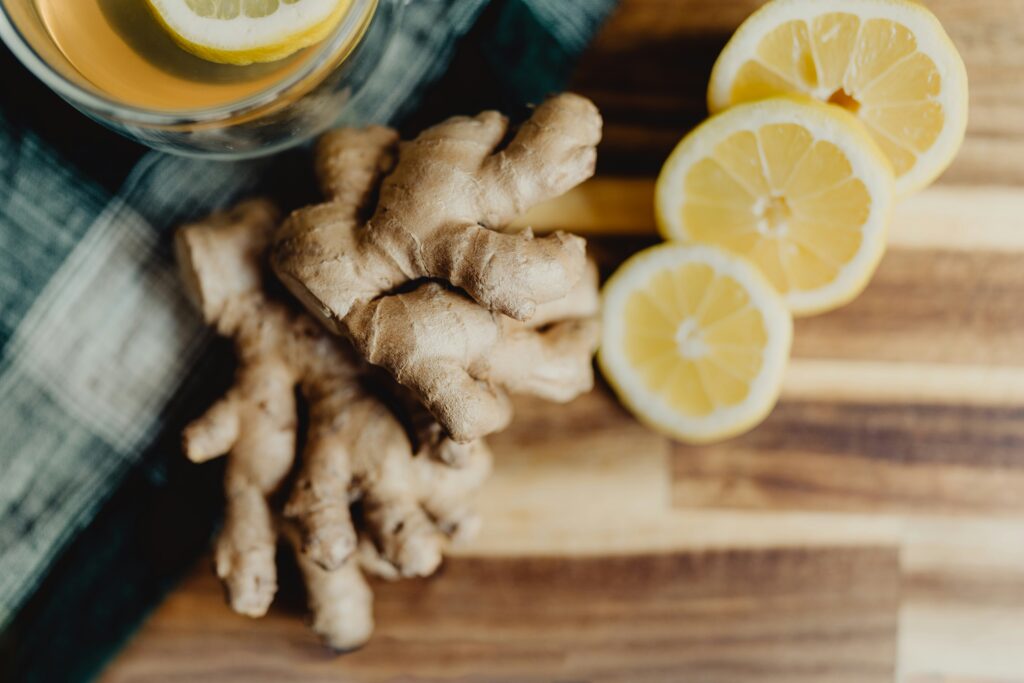
Ginger contains naturally occurring compounds, including gingerols, that have been studied for their antioxidant and anti inflammatory activity. Fresh or ground ginger can add plenty of flavor to stir fries, soups, marinades, smoothies, and tea.
14. Green Tea

Green tea contains polyphenols, including a catechin called EGCG, that have been studied for their antioxidant and anti inflammatory effects. I find that drinking a cup or two of green tea is one of the easiest ways to add an anti inflammatory beverage to my routine, and since tea contributes to your daily fluid intake, I’m getting some extra hydration at the same time.
15. Dark Chocolate

Dark chocolate contains cocoa flavanols and other plant compounds, so yes, chocolate can have a place on an anti-inflammatory foods list. I genuinely love dark chocolate, which makes this one particularly easy for me, but choosing chocolate with a higher cocoa content and enjoying a reasonable portion can help you get more cocoa without a large amount of added sugar.
Can You Eat Anti Inflammatory Foods Every Day?

Yes, many anti inflammatory foods can be part of your everyday diet. Fruits, vegetables, whole grains, beans, nuts, seeds, fish, and healthy fats aren’t specialty foods you need to save for certain meals. An anti-inflammatory foods list can simply help you choose more nutrient rich foods throughout the week while still eating a varied, balanced diet.
How Much Variety Do You Need?
Variety matters because different foods provide different combinations of fiber, vitamins, minerals, healthy fats, antioxidants, and plant compounds. Rather than eating the same handful of foods every day, rotate through different fruits, vegetables, whole grains, protein sources, nuts, and seeds.
Think about variety across the entire week instead of trying to fit everything onto one plate. One day might include berries, walnuts, spinach, and salmon, while another includes oranges, avocado, broccoli, beans, and brown rice. If you need help keeping your fridge and pantry stocked since you’re low on time, you can always place a grocery order to be delivered right to your doorstep!
Can You Eat Frozen Fruits and Vegetables?
Absolutely. Frozen fruits and vegetables can be nutritious choices, and they’re especially convenient when fresh produce is expensive, out of season, or likely to spoil before you use it. Keep frozen berries, spinach, broccoli, mixed vegetables, and other favorites on hand for smoothies, oatmeal, soups, dinners, and quick side dishes. Your anti-inflammatory foods list doesn’t need to be limited to the fresh produce section! Smoothies made from frozen fruits are awesome ways to get these essential nutrients into your diet.
Related: The Truth About Summer Detox Diets: 7 Myths Busted and What Really Works
Are Canned Foods Still Nutritious?
Canned foods can still contribute valuable nutrients to your diet. Beans, tomatoes, fish, vegetables, and certain fruits are convenient pantry staples that can make following an anti-inflammatory foods list much easier on busy days.
Check the label when you’re shopping, particularly for added sodium and sugar. Draining and rinsing canned beans and vegetables can also reduce some of the sodium.
Do Anti Inflammatory Foods Have to Be Expensive?
No. You don’t need an expensive grocery haul filled with specialty powders, supplements, or trendy ingredients to build meals around anti inflammatory foods. Affordable staples such as oats, beans, lentils, frozen vegetables, canned tomatoes, brown rice, peanut butter, and seasonal produce can all fit into a nutritious eating pattern. Use your anti-inflammatory foods list to find options that work within your grocery budget, and don’t assume the most expensive version of a food is automatically the healthiest.
Related: Healthiest Steaks to Eat If You’re Watching Your Diet
Frequently Asked Questions About Anti Inflammatory Foods

What Is the Number One Food for Inflammation?
There isn’t one food that’s considered the single best choice for inflammation. Fatty fish, berries, leafy greens, nuts, extra virgin olive oil, and other nutrient rich foods can all have a place on an anti-inflammatory foods list, but your overall eating pattern matters more than any individual ingredient.
What Are the Strongest Anti Inflammatory Foods?
Foods commonly associated with anti inflammatory eating include fatty fish, berries, leafy green vegetables, extra virgin olive oil, nuts, seeds, beans, whole grains, and certain herbs and spices. These foods provide nutrients and plant compounds such as omega 3 fatty acids, fiber, antioxidants, and polyphenols.
You’ll notice that an anti-inflammatory foods list contains several different food groups rather than one especially powerful ingredient. Eating a variety of them regularly is a more practical approach than relying heavily on a single food.
What Are Five Foods That May Help With Inflammation?
If you want a simple place to start, consider adding these five foods to your meals:
- Salmon for omega 3 fatty acids.
- Berries for fiber and plant compounds.
- Leafy greens for vitamins, minerals, and antioxidants.
- Walnuts for healthy fats and other nutrients.
- Extra virgin olive oil as a source of unsaturated fat and plant compounds.
These aren’t the only foods worth eating. They’re simply five versatile options you can use as the starting point for your anti-inflammatory foods list.
Related: Is the Metabolic Confusion Diet Good for You?
What Should I Eat Every Day for Inflammation?
Aim for a varied diet that regularly includes fruits, vegetables, whole grains, legumes, nuts, seeds, healthy fats, and appropriate protein sources. You don’t need to eat every item on an anti-inflammatory foods list each day for your diet to be nutritious.
A bowl of oatmeal with berries and walnuts, a salad filled with vegetables and beans, or a dinner with salmon, whole grains, and broccoli are simple examples of how several of these foods can fit naturally into everyday meals.
What Foods Should I Limit on an Anti Inflammatory Diet?
Rather than creating a rigid list of foods you can never eat, consider how frequently highly processed foods, processed meats, refined carbohydrates, and foods or drinks high in added sugar appear in your diet. Eating these occasionally doesn’t erase the benefits of an otherwise nutritious eating pattern.
Use an anti-inflammatory foods list to focus primarily on what you can add to your meals. More vegetables, fruit, whole grains, legumes, nuts, healthy fats, and other nutrient rich choices can gradually take up more room in your diet without turning eating into a collection of strict rules.
Related: Anti-Inflammatory Foods List Diet: 10 Foods to Add for Better Health
Start Adding More Anti-Inflammatory Foods to Your Plate

My suggestion? Don’t wait until you’ve planned the perfect anti-inflammatory foods list diet to start making choices that can support your long term health. Your overall eating pattern matters, and an anti-inflammatory foods list gives you an easy place to begin by figuring out nutrient rich foods you can work into meals you’re already making.
Start with what you’ll actually eat — not ones from an anti-inflammatory foods list that you just realistically won’t but in theory could. Add berries to oatmeal, snack on a handful of nuts, cook with extra virgin olive oil, serve more leafy greens, or swap in fatty fish for dinner occasionally. An anti-inflammatory foods list shouldn’t make grocery shopping feel complicated or leave you believing that every meal has to be perfect to count.
I’ve found that smaller diet choices can eventually become everyday habits, particularly when the foods on this anti-inflammatory foods list are affordable, accessible, and enjoyable enough to keep buying. Come back to this anti-inflammatory foods list when you’re planning meals or writing your grocery list, choose a few foods that fit naturally into your routine, and focus on building an eating pattern you can actually maintain. Ready to start your new diet? Here’s how!
Read Next: Best Omega-3 Supplements for Brain and Heart Health in 2026


 Dive into insightful articles on health and wellness, nutrition, fitness, mental serenity, and so much more.

