

When you’re looking for the best omega-3 supplements and brain and heart health, EPA and DHA amounts, omega 3 source, purity, testing, serving size, and the quality of the formulation can vary considerably between products. Omega 3 fatty acids show up in conversations about everything from cardiovascular wellness to cognitive health, but choosing a supplement isn’t as simple as grabbing the first bottle labeled fish oil. Finding the best omega 3 supplements for brain and heart health means looking past front label promises and paying attention to what you’re actually getting in each serving.
Research into omega 3 fatty acids has explored their roles throughout the body, including cardiovascular function and the brain, where DHA is an important structural component. That doesn’t mean every supplement produces the same results or that taking more is automatically better. When comparing the best omega 3 supplements for brain and heart health, it helps to consider your diet, how much EPA and DHA the product provides, whether the manufacturer offers meaningful quality information, and what you actually want from supplementation.
The supplement aisle can make that process unnecessarily confusing, especially when one bottle advertises the total amount of fish oil while another emphasizes its EPA and DHA content. We’ve broken down the best omega 3 supplements for brain and heart health in 2026 with those distinctions in mind, along with the ingredients, formulations, and quality factors worth comparing before you buy. You’ll also find practical guidance for understanding labels and deciding which features matter for your individual needs.
What Are Omega 3 Fatty Acids?

Omega 3 fatty acids are a type of polyunsaturated fat that your body needs for normal function. The three main types you’ll see discussed are EPA, DHA, and ALA. EPA and DHA are found primarily in seafood and marine oils, while ALA is present in plant foods such as flaxseed, chia seeds, and walnuts. Your body can convert some ALA into EPA and DHA, but that conversion is limited, which is one reason EPA and DHA receive so much attention when comparing the best omega 3 supplements for brain and heart health.
DHA is an important structural component of the brain and retina, while EPA and DHA have both been widely studied for their roles in cardiovascular health. Omega 3s also form part of cell membranes throughout the body. When you’re shopping for the best omega 3 supplements for brain and heart health, looking at the individual amounts of EPA and DHA usually tells you much more than simply looking at the total amount of oil listed on the bottle.
Related: Neuro-Nutrition: How Omega-3 and Nootropics Enhance Brain Function
What Is EPA?
EPA, or eicosapentaenoic acid, is a long chain omega 3 fatty acid found primarily in fatty fish, seafood, fish oil, and certain algae derived products. EPA participates in biological processes involving signaling molecules and has been extensively researched in relation to cardiovascular health.
You’ll typically see EPA listed separately on a supplement’s nutrition or supplement facts panel. Pay attention to that number rather than assuming the total fish oil amount represents EPA.
What Is DHA?
DHA, or docosahexaenoic acid, is another long chain omega 3 fatty acid. It’s an important structural component of the brain and retina, which helps explain why DHA frequently appears in conversations about brain health and nutrition throughout different stages of life.
Many fish oil products contain both EPA and DHA, although the ratio varies considerably. Some supplements are formulated with a greater concentration of DHA, so comparing the individual numbers matters.
What Is ALA?
ALA, or alpha linolenic acid, is the primary plant based omega 3 fatty acid. Foods such as chia seeds, flaxseed, walnuts, and certain vegetable oils can provide ALA.
The body can convert ALA into EPA and then DHA, but only a relatively small amount is converted. That distinction matters when comparing plant foods containing ALA with supplements that provide EPA and DHA directly.
EPA vs. DHA: What’s the Difference?
EPA and DHA are both omega 3 fatty acids, but they aren’t interchangeable. DHA has an especially important structural role in the brain and retina, while EPA is involved in producing signaling compounds and has been extensively studied in cardiovascular research. Both can be found together in many fish oil and algae based supplements.
There’s no universally ideal EPA to DHA ratio for everyone. Your diet, reason for considering supplementation, and health history can all influence what’s appropriate. Rather than choosing the product with the biggest number on the front, compare the actual EPA and DHA amounts when evaluating the best omega 3 supplements for brain and heart health.
Related: Behavioral Health Solutions: Hijack Your Brain to Achieve Your Goals
Best Omega-3 Supplements for Brain and Heart Health in 2026
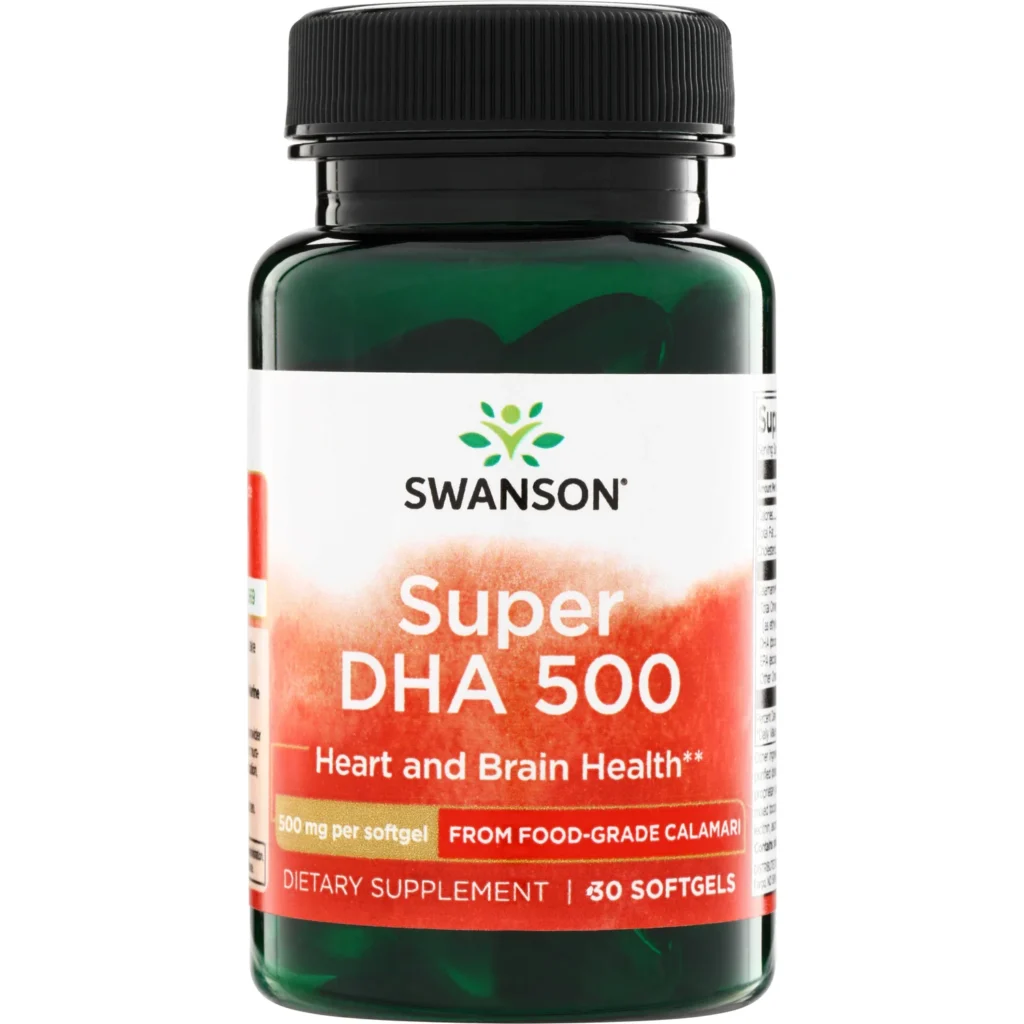
1. Super DHA 500 from Food-Grade Calamari
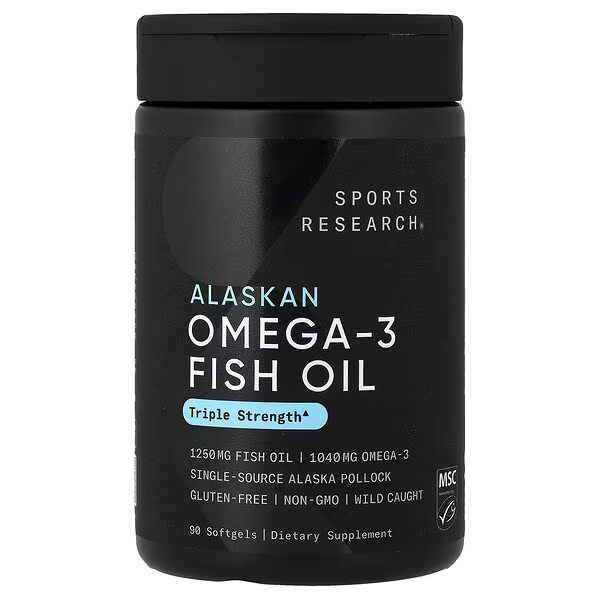
2. Alaskan Omega-3 Fish Oil
3. Nordic Naturals Algae Omega

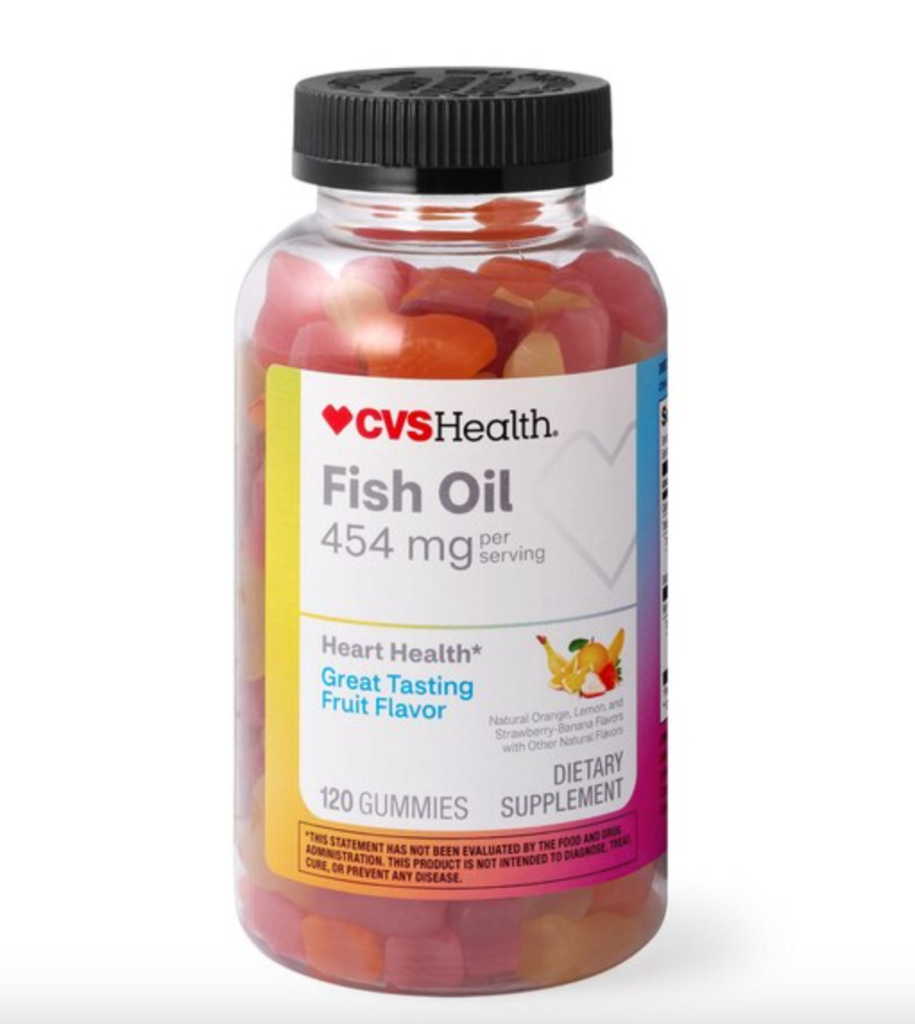
4. CVS Fish Oil Gummies
5. Sunwarrior Premium Vegan Omega-3 Capsules

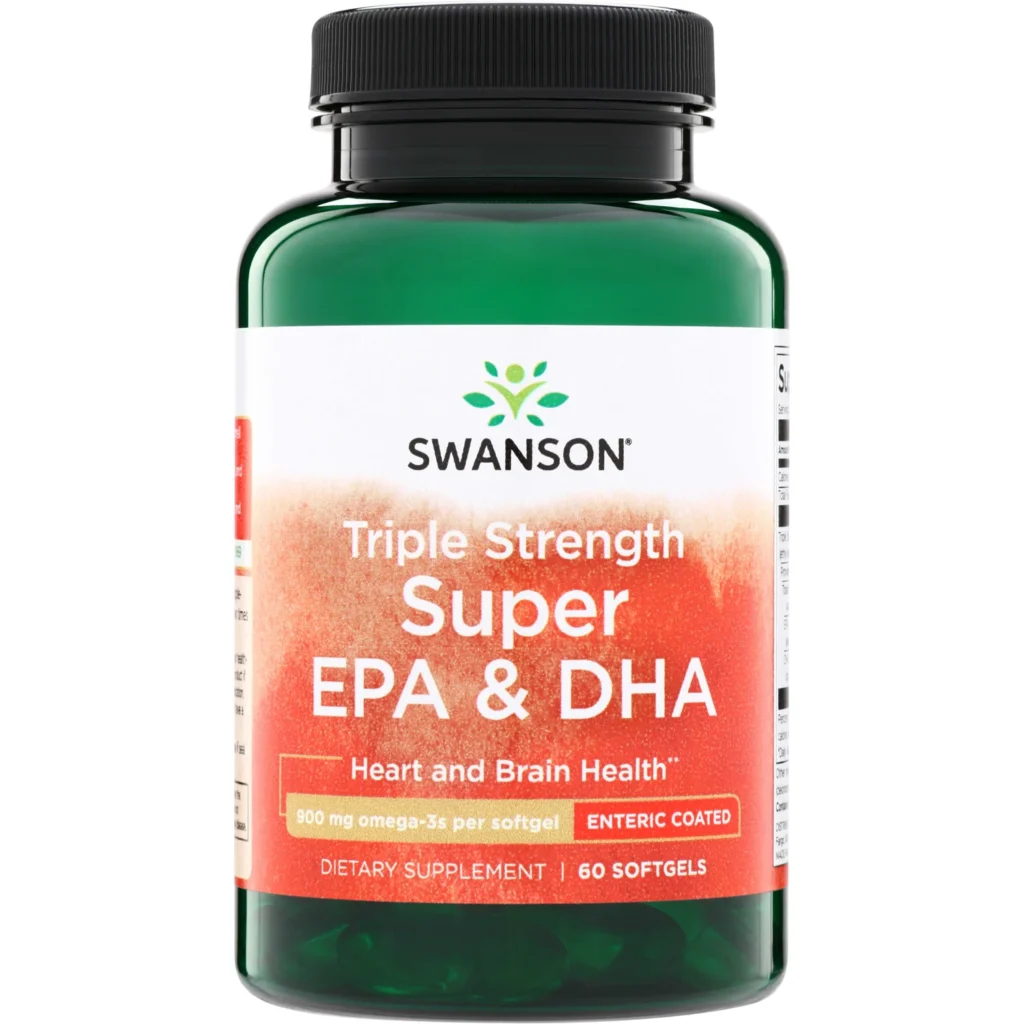
6. Triple Strength Super EPA & DHA – Enteric Coated
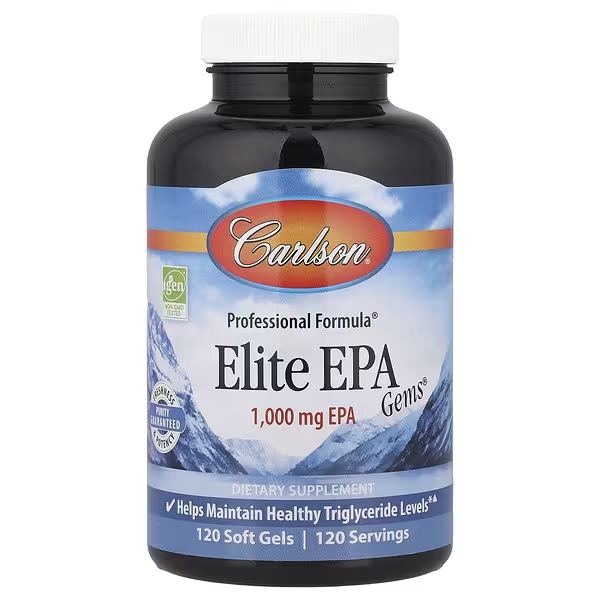
7. Carlson Elite EPA Gems®
What Are the Benefits of Omega 3 Supplements?

Omega 3 supplements provide a concentrated source of omega 3 fatty acids, most commonly EPA and DHA. They’re often used by people who don’t regularly consume fatty fish or who want a more consistent source of these nutrients. Research has examined omega 3s in connection with cardiovascular function, triglyceride levels, brain health, and other areas, although the strength of the evidence and the effects of supplementation aren’t identical for every outcome.
It’s also important to separate what omega 3 fatty acids do in the body from what a particular supplement can promise to accomplish. The best omega 3 supplements for brain and heart health can’t replace a balanced diet, appropriate medical treatment, regular movement, sleep, or other habits that contribute to overall health. Supplementation is one potential piece of a much larger picture.
When you’re comparing the best omega 3 supplements for brain and heart health, look for a product that provides clearly disclosed amounts of EPA and DHA and fits your individual needs. Anyone considering omega 3s for a specific medical reason should discuss the appropriate product and dose with a qualified health professional.
Omega 3s and Heart Health
EPA and DHA have been extensively studied in cardiovascular research. One of the clearest areas involves triglycerides, since sufficiently high doses of EPA and DHA can lower elevated triglyceride levels. Those therapeutic doses aren’t the same thing as casually taking an ordinary fish oil capsule, however. Omega 3s shouldn’t be treated as a substitute for prescribed cardiovascular treatment. People with high triglycerides, heart disease, or other cardiovascular concerns should discuss supplementation with their health professional.
Omega 3s and Brain Health
DHA is a major structural fatty acid in the brain, making adequate omega 3 intake relevant to normal brain function. Researchers have also investigated omega 3 supplementation in relation to cognition and healthy aging, although supplement research doesn’t support treating fish oil as a guaranteed way to prevent cognitive decline.
That nuance matters when shopping for the best omega 3 supplements for brain and heart health. A supplement can provide DHA and EPA without promising outcomes that the evidence can’t support.
Omega 3s and Healthy Aging
Interest in omega 3s and healthy aging extends across cardiovascular health, cognition, vision, and other areas. Results from supplementation studies vary depending on the population, dose, formulation, and outcome being measured. Rather than looking for a capsule that promises to solve every concern associated with aging, consider omega 3 intake as one component of an overall nutritious diet and healthy lifestyle.
Omega 3s and Triglycerides
Omega 3 fatty acids can reduce triglyceride levels at sufficiently high doses, but there’s an important distinction between supplements sold over the counter and prescription omega 3 medications. If you’re considering omega 3s specifically because you have elevated triglycerides, don’t attempt to recreate a prescription dose by taking handfuls of supplements. Your doctor can determine whether treatment is necessary and which formulation and dose are appropriate.
Related: 5 Proven Fixes for Common Brain Fog Causes That Disrupt Your Focus
Do You Need an Omega 3 Supplement?

Not everyone needs an omega 3 supplement. People who regularly eat foods rich in EPA and DHA may already get meaningful amounts through their diets, while someone who rarely or never eats seafood may have a different intake. Your overall diet, age, health history, medications, and reason for considering supplementation all matter.
The best omega 3 supplements for brain and heart health are most useful when they’re filling an actual nutritional need rather than simply adding another bottle to your daily routine. Before buying one, take a realistic look at what you eat during an average week. Someone who regularly eats salmon, sardines, trout, or other fatty fish has a different starting point from someone whose diet contains very little seafood.
If you’re considering supplementation for a diagnosed condition or a specific therapeutic goal, talk with your doctor or another qualified health professional first. That conversation can also help determine whether one of the best omega 3 supplements for brain and heart health makes sense for you and what amount of EPA and DHA is appropriate.
How Much Omega 3 Can You Get From Food?
The amount varies dramatically by food. Fatty fish can provide substantial amounts of EPA and DHA, while plant foods such as walnuts, chia seeds, and flaxseed primarily provide ALA. Look at your eating habits across the entire week rather than focusing on a single meal. Regularly including omega 3 rich foods can make a meaningful contribution to your overall intake.
Best Food Sources of EPA and DHA
Some useful dietary sources include:
• Salmon
• Sardines
• Mackerel
• Herring
• Trout
• Anchovies
• Certain other fish and seafood
The exact EPA and DHA content varies by species, serving size, and other factors. Food also provides protein and additional nutrients that you won’t necessarily get from an isolated omega 3 capsule.
What If You Don’t Eat Fish?
Skipping fish doesn’t automatically mean you can’t obtain EPA or DHA. Algae based supplements can provide DHA and, depending on the formulation, EPA without using fish as the source. This makes algae oil particularly relevant for vegetarians, vegans, people who don’t like fish, or anyone who simply prefers a nonfish source. Check the label carefully because the amounts of EPA and DHA can differ substantially between algae products.
Related: Anti Inflammatory Foods Diet: 10 Foods to Add for Better Health
Fish Oil vs. Algae Oil: Which Omega 3 Supplement Is Better?
Neither fish oil nor algae oil is automatically better for everyone. Fish oil has traditionally been one of the most common supplemental sources of EPA and DHA, while algae oil provides a direct source without requiring fish. Your dietary preferences, desired EPA and DHA amounts, budget, sustainability priorities, and tolerance can all influence which makes more sense.
Fish oil products often provide both EPA and DHA and are available in an enormous range of concentrations and price points. Algae products historically emphasized DHA, although products containing both DHA and EPA are increasingly available. Someone looking for the best omega 3 supplements for brain and heart health should compare the actual fatty acid profile rather than dismissing or choosing a product based solely on its source.
Quality matters with either option. Look at EPA, DHA, serving size, testing information, additional ingredients, storage instructions, and cost per serving. The best omega 3 supplements for brain and heart health should make those basic details easy to find.
Benefits of Fish Oil
Fish oil offers direct access to EPA and DHA and is widely available in numerous concentrations and formulations. That variety makes it relatively easy to compare products based on the specific amounts you’re looking for.
The downside is that quality varies, and some people dislike large capsules or the fishy taste and burps associated with certain products. Reading labels and researching testing practices becomes particularly important.
Benefits of Algae Based Omega 3
Algae oil provides omega 3 fatty acids without fish, making it an appealing option for vegetarian and vegan diets. Since marine fish ultimately obtain omega 3s through the marine food chain, algae offer another route to these fatty acids.
Check whether a particular algae supplement contains DHA alone or both EPA and DHA. That detail can make a considerable difference when you’re comparing products.
Is Algae Omega 3 as Good as Fish Oil?
Algae derived DHA and EPA are biologically relevant forms of the same fatty acids found in fish oil, so algae oil can be a legitimate alternative source. The more useful comparison is often how much EPA and DHA a specific product provides rather than whether the oil came from algae or fish.
One algae supplement might provide primarily DHA, while another provides meaningful amounts of both EPA and DHA. Read the supplement facts panel before assuming they’re equivalent.
What About Krill Oil?
Krill oil is another marine source of EPA and DHA. Its fatty acids are packaged somewhat differently from those in many fish oils, and krill products are often sold in smaller capsules. Compare the actual EPA and DHA delivered per serving, quality information, price, and your individual needs just as you would with fish or algae oil.
Related: Best Brain and Memory Supplements That Actually Deliver Results
How Much Omega 3 Should You Take Per Day?

There isn’t one universal amount of omega 3 that’s appropriate for every adult. Recommendations can differ depending on whether you’re talking about ALA from food, EPA and DHA from seafood, or EPA and DHA from supplements. Your diet matters, too. Someone who regularly eats fatty fish may have very different supplemental needs from someone who rarely eats seafood. When comparing the best omega 3 supplements for brain and heart health, focus on the actual EPA and DHA provided per serving rather than assuming every person needs the same number of milligrams.
For generally healthy adults, major health organizations commonly encourage eating fish as part of a balanced diet rather than requiring everyone to take a daily fish oil supplement. Higher amounts of EPA and DHA may be used for certain medical purposes, such as managing elevated triglycerides, but those amounts should be discussed with a health professional. Choosing among the best omega 3 supplements for brain and heart health doesn’t mean finding the product with the largest dose. It means finding one that makes sense for your diet and individual needs.
Are Omega 3 Supplements Safe?
Omega 3 supplements are generally tolerated by many adults when used appropriately, but they can still cause side effects and aren’t automatically suitable for everyone. Common complaints can include an unpleasant taste, fishy burps, heartburn, nausea, stomach discomfort, or diarrhea. The best omega 3 supplements for brain and heart health should still be evaluated like any other dietary supplement, particularly if you take medications or have an existing health condition.
Dose also matters. Higher amounts of supplemental omega 3s may introduce considerations that aren’t as relevant to someone simply eating omega 3 rich foods as part of a balanced diet. Certain research has also raised concerns about an increased risk of atrial fibrillation with high dose omega 3 supplementation in some populations. That doesn’t mean typical supplementation causes heart rhythm problems in everyone, but it reinforces why more isn’t necessarily better when choosing the best omega 3 supplements for brain and heart health.
What Are the Side Effects of Omega 3 Supplements?
Possible side effects can include:
• Fishy taste or aftertaste
• Unpleasant breath
• Heartburn
• Nausea
• Stomach discomfort
• Loose stools or diarrhea
Side effects can vary according to the product and dose. Persistent or concerning symptoms deserve a conversation with a health professional rather than simply switching between supplements indefinitely.
Can Omega 3 Supplements Interact With Medications?
Yes, omega 3 supplements can be relevant to certain medications and medical treatments. Higher doses deserve particular attention, which is why your doctor or pharmacist should know about supplements you’re taking.
Don’t assume that a product is interaction free simply because it’s sold without a prescription. When researching the best omega 3 supplements for brain and heart health, medication compatibility should be part of the decision if you regularly take prescription or nonprescription drugs.
Can You Take Omega 3 With Blood Thinners?
Anyone taking anticoagulant or antiplatelet medication should discuss omega 3 supplementation with their doctor or pharmacist. Omega 3 fatty acids can affect processes involved in blood clotting, particularly at higher supplemental amounts.
Your health professional can evaluate the specific medication, dose, omega 3 product, and your individual circumstances. Don’t stop a prescribed medication or change its dose because you want to start fish oil.
Should You Stop Omega 3 Supplements Before Surgery?
Don’t choose a universal stop date based on general internet advice. Recommendations can depend on the procedure, supplement dose, other medications, and your medical history.
Tell your surgeon or medical team about all supplements you take, including fish oil, algae oil, and other omega 3 products. Follow their specific instructions about whether and when anything needs to be stopped.
Can You Take Omega 3 During Pregnancy?
Omega 3 fatty acids, particularly DHA, are important nutrients during pregnancy, but choosing a supplement requires more care than simply grabbing one of the best omega 3 supplements for brain and heart health from a general adult roundup.
Pregnant or breastfeeding readers should discuss supplementation with their prenatal care professional and choose products appropriate for pregnancy. The source, EPA and DHA amounts, contaminant testing, and additional ingredients all deserve consideration.
How to Read an Omega 3 Supplement Label
Reading an omega 3 label gets much easier once you know which numbers actually matter. Start with the serving size, then locate EPA and DHA on the supplement facts panel. Don’t automatically treat “fish oil,” “marine oil,” and “omega 3” as interchangeable amounts. The best omega 3 supplements for brain and heart health make their EPA and DHA content clear enough that you shouldn’t need a calculator and a magnifying glass to figure out what’s inside.
Next, look beyond the fatty acids themselves. Check the source, other ingredients, allergen information, suggested use, storage instructions, and any information about independent testing or certification. If you’re comparing the best omega 3 supplements for brain and heart health, calculate what you’re receiving per serving rather than comparing two bottles solely by their front labels or capsule counts.
Total Fish Oil vs. Total Omega 3
“Fish oil” refers to the oil itself, while the amount of omega 3 fatty acids within that oil can be lower. A serving containing 1,000 mg of fish oil, for example, shouldn’t automatically be interpreted as containing 1,000 mg of EPA and DHA.
This is why front label numbers can be misleading without additional context. Flip the bottle over before comparing products.
Where to Find EPA and DHA on the Label
Look at the supplement facts panel for entries identifying EPA and DHA and note whether those amounts apply to one capsule or the entire serving.
Serving size matters here. One product may deliver its advertised EPA and DHA in one capsule, while another requires several capsules to reach the listed amount. That difference can affect convenience and cost.
What Does “Other Omega 3s” Mean?
Some products contain omega 3 fatty acids beyond the separately listed EPA and DHA amounts. Manufacturers may group these under wording such as “other omega 3 fatty acids.”
Don’t automatically add an unspecified omega 3 amount to EPA or DHA when comparing products. If knowing the exact composition matters to you, look for more detailed information from the manufacturer.
What Does Third Party Tested Mean?
Third party testing generally means an organization separate from the manufacturer has evaluated some aspect of the product. Exactly what’s tested can vary, however, so the phrase alone doesn’t tell you everything.
Look for specific information about the testing organization and what its certification or testing covers. When evaluating the best omega 3 supplements for brain and heart health, transparent details about identity, purity, potency, or contaminants can be more meaningful than a vague “quality tested” claim.
Does the Form of Fish Oil Matter?
You may encounter terms such as triglyceride, reesterified triglyceride, phospholipid, or ethyl ester when researching omega 3 products. These describe different chemical forms in which the fatty acids can be delivered, and there can be differences in absorption.
Form is still only one part of the product. EPA and DHA content, appropriate dosing, quality, testing, tolerability, and whether you’ll consistently take the supplement matter, too. The best omega 3 supplements for brain and heart health shouldn’t be chosen based on one technical term while ignoring everything else on the label.
How to Choose the Best Omega 3 Supplement

Choosing the best omega 3 supplement starts with the supplement facts panel, not the marketing language on the front. Look for the actual amounts of EPA and DHA per serving, then consider the number of capsules required to get that amount. A bottle advertising “1,000 mg fish oil” may contain considerably less than 1,000 mg of EPA and DHA.
Quality and transparency deserve just as much attention. When evaluating the best omega 3 supplements for brain and heart health, consider whether the manufacturer provides information about independent testing, contaminants, sourcing, freshness, and manufacturing practices. A recognizable brand name or expensive price tag isn’t proof of superior quality by itself.
Finally, choose something you’ll realistically take. Capsule size, number of capsules per serving, flavor, dietary restrictions, source, cost, and storage requirements can determine whether a theoretically impressive product actually works for your routine. The best omega 3 supplements for brain and heart health combine appropriate EPA and DHA content with quality standards and a format that makes sense for the person taking them.
1. Check the EPA and DHA Content
Turn the bottle around and find EPA and DHA on the supplement facts panel. Those numbers are more useful for comparing products than the total amount of fish oil advertised elsewhere on the packaging.
2. Look at the Serving Size
A product might advertise an impressive amount of omega 3s, but check how many capsules constitute one serving. The listed amount may require two, three, or more capsules. Serving size also affects value. Compare cost based on the amount of EPA and DHA you’re actually receiving rather than simply comparing bottle prices.
3. Check for Independent Third Party Testing
Independent testing can provide additional information about whether a supplement meets particular quality or purity standards. Look for credible testing or certification information and verify what the certification actually covers. Terms such as “tested” can be vague when they’re presented without additional context. A transparent company should make it relatively easy to understand its quality practices.
4. Consider the Source of the Omega 3s
Fish oil, algae oil, and krill oil can all provide long chain omega 3 fatty acids, but their EPA and DHA profiles aren’t necessarily identical. Dietary preferences may make the decision straightforward. Someone following a vegan diet, for example, may prefer algae oil, while another shopper may prioritize a particular EPA to DHA ratio.
Look for Purity and Contaminant Testing
Fish and marine oils require appropriate processing and quality control. Look for brands that provide clear information about testing for relevant contaminants and product quality. Don’t assume phrases such as “pure” or “premium” tell you anything specific. Concrete testing information is considerably more useful than attractive language on the bottle.
5. Consider Sustainability
If environmental impact matters to you, investigate where the oil comes from and whether the manufacturer provides meaningful sourcing information. Sustainability claims can vary widely, so look beyond a green label or ocean imagery. Specific sourcing details or recognized certifications provide more information than broad environmental promises.
6. Check the Other Ingredients
EPA and DHA may be the reason you’re buying the supplement, but they aren’t necessarily the only ingredients in the capsule! Check for flavorings, antioxidants, gelatin, added vitamins, allergens, and other components that may matter to you. This becomes particularly important when comparing fortified omega 3 products that contain additional nutrients.
7. Compare Cost Per Serving
The cheapest bottle isn’t necessarily the cheapest source of EPA and DHA. One inexpensive supplement might require several capsules to provide the same amount found in a smaller serving of a more concentrated product. Compare the price per serving alongside the EPA and DHA amounts. That gives you a much clearer picture of what you’re paying for.
8. Don’t Assume a Higher Dose Is Always Better
More omega 3 isn’t automatically more beneficial. The appropriate amount depends on why you’re taking it, what you already consume through food, and your individual health circumstances. Very high doses also aren’t something to experiment with casually. If you’re considering a larger dose for triglycerides or another medical reason, discuss it with a qualified health professional rather than simply choosing the most concentrated supplement you can find.
Choose an Omega 3 Supplement With Confidence

Don’t let an impressive looking bottle make the decision for you. Before buying any of the best omega 3 supplements for brain and heart health, turn the bottle around and compare the actual EPA and DHA amounts, recommended serving size, omega 3 source, testing information, and other ingredients. A few extra minutes spent reading the label can tell you considerably more than a collection of wellness claims across the front.
Your diet and individual needs matter just as much as the supplement itself. Someone who regularly eats fatty fish may approach supplementation differently from someone who rarely consumes seafood, while algae derived DHA and EPA can offer an alternative for people seeking certain plant based options. The best omega 3 supplements for brain and heart health should ultimately make sense within your overall diet and health needs rather than simply containing the largest number printed on the bottle.
Use this guide to narrow down the options, compare the products that fit your preferences, and discuss supplementation with your doctor or another qualified health professional when appropriate, particularly if you take medications, have a health condition, are pregnant, or are preparing for a procedure. Choosing among the best omega 3 supplements for brain and heart health becomes much easier once you know what you’re looking for, leaving you with a supplement you can feel more confident adding to your routine.
Read Next: How to Stop People Pleasing Without Feeling Like a Bad Person






 Dive into insightful articles on health and wellness, nutrition, fitness, mental serenity, and so much more.

