

Our brains seem to function autonomously, but there are some behavioral health solutions that can help us take back some control. Brains are complex organs, and it may feel like we are being ruled by our emotions and bad habits. But that doesn’t always have to be the case! By understanding the nuances of neurology, you can work with your brain (instead of against it) to reach your goals.
In this article, we’ll talk a bit about how neuroscience influences our habits and behaviors. Then, we’ll share a few tips so you can hack your way to a healthy and happier lifestyle!
How Neuroscience Influences Our Brains
As humans, our actions and behaviors are strongly influenced by neuroscience (how our brains and nervous systems work). While there are lots of biological parts at play, there are a couple of key functions that impact our short- and long-term behaviors.
Attention
The prefrontal cortex of the brain is responsible for how well we pay attention. One of its main tasks is to direct our cognitive attention to the matter at hand while avoiding any distractions. A functioning prefrontal cortex makes it easier to stay focused and switch between tasks if needed. But, those with a weak prefrontal cortex will find themselves more distracted more often.
Memory
Memories are formed by the hippocampus, a brain structure located in the temporal lobe. It relies on certain neurotransmitters (like acetylcholine and glutamate) to encode and retrieve those facts and events in our minds. These neurotransmitters are responsible for brain plasticity. The more plasticity our brains have, the better we are at remembering things.
Emotional Regulation
There are many different parts of the brain that allow us to regulate our emotions. However, the amygdala has one of the most critical roles in doing so. This part of our brain controls how we interpret fear and anxiety. But it’s also comprised of neurons that make us more emotionally stable and resilient.
Coordination
Our voluntary movements and coordination skills are mostly controlled by three areas of the brain—the motor cortex, cerebellum, and basal ganglia. However, our levels of dopamine also impact these skills. Those with issues in dopamine production may have trouble controlling their movements (e.g., Parkinson’s disease).
Behavioral Health Solutions – Tips to Master Your Brain
Now that you know more about brain processes, here are a few ways you can leverage that information to your benefit. You can think of these tips as different ways to hack your brain!
Use Positive Reinforcement
Dopamine is one of the main driving forces that motivates our actions and behaviors. When we do something enjoyable, our brains release dopamines that make us feel good. Therefore, you can hack your brain by celebrating small wins to trigger a dopamine release. Not only will you feel great, but it also creates a positive feedback loop that can help keep you motivated in the long run.
Establish Routines
Our brains are hardwired to form habits because it takes the pressure off our cognitive load. That’s why it can be extremely difficult for us to do something out of the ordinary (like diet or start an exercise regime). However, establishing healthy habits early on can have a positive impact on our future behaviors. Even if it’s just a small task, being consistent is one of the main factors that can help you reach your goals.
Get Enough Sleep
We cannot stress enough how important sleep is for a sound body and mind. Without rest, our brains won’t get the chance to recovery and repair, which can have a severe negative impact on your health. Not only should you be getting 7 to 8 hours of sleep a night, but you should also take breaks throughout the day. Rest and relaxation are equally as important to your health as a good night’s rest!
However, we know that getting a full night’s worth of sleep is easier said than done. Sleep cycles are complex, but understanding how they work can help you achieve better sleep habits.
Practice Mindfulness

Speaking of rest and relaxation, mindfulness techniques are key behavioral health solutions that can help your brain. Deep breathing and meditation can regulate negative emotions and decrease the impact stress on your body. That’s because it decreases the load on our amygdala (the part of the brain responsible for emotional regulation).
On top of that, practicing mindfulness it can strengthen the neural pathways in our prefrontal cortex. As a result, it can also improve our memory and attention spans.
Eat Healthy Foods
It’s true what they say – you are what you eat! A healthy, well-balanced diet isn’t just good for your physique, it’s also good for your brain. Therefore, you’ll want to make sure you’re fueling your body with nutrient-rich foods loaded with antioxidants, vitamins, and omega-3 fatty acids. Research has shown that the following foods can help with brain function:
- Green vegetables: kale, spinach, broccoli, collards
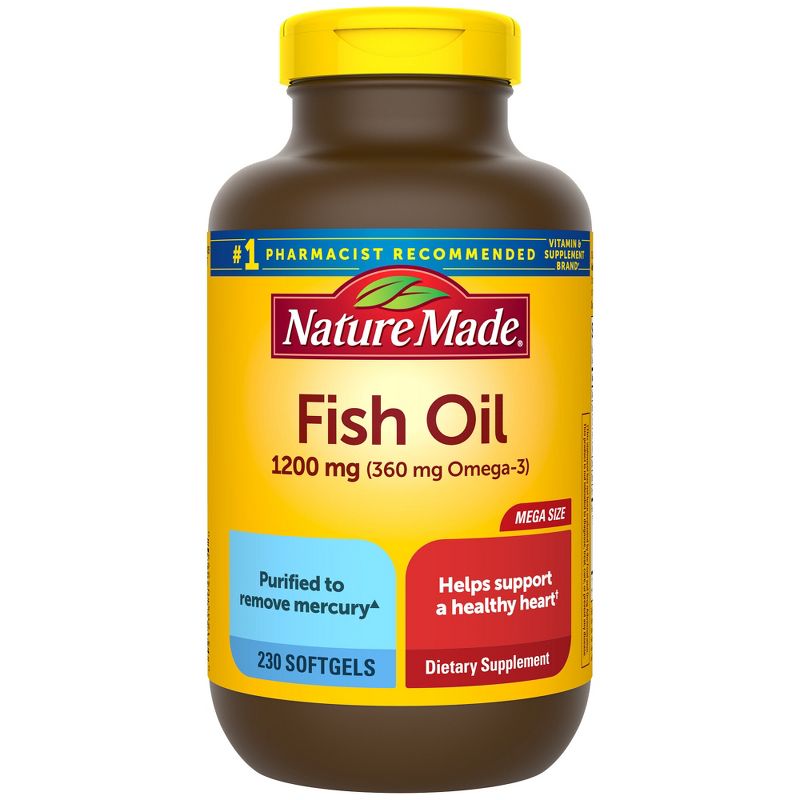
- Fatty fish: salmon, cod, pollack (or fish oil supplements)
- Nuts and seeds: walnuts, almonds, peanuts, pumpkin seeds
- Berries: strawberries, blueberries
Incorporate Aerobic Exercise
This is another win-win activity that’s great for your brain and body. Aerobic exercise has numerous physical benefits, but it also can help with brain function. When you work out, you increase oxygen flow and the release of neurotransmitters. Because of the production of dopamine, serotonin, and norepinephrine, people usually feel happier and more motivated after they exercise!
For the biggest benefit, strive to do at least 150 minutes of aerobic exercise per week.
With these behavioral health solutions, you can make small changes toward a better life. As our brains get older, it becomes increasingly more important to stay proactive about your health. But if you work with its biological functions (instead of against them), then you can make real, lasting changes in your life.







 Dive into insightful articles on health and wellness, nutrition, fitness, mental serenity, and so much more.

