

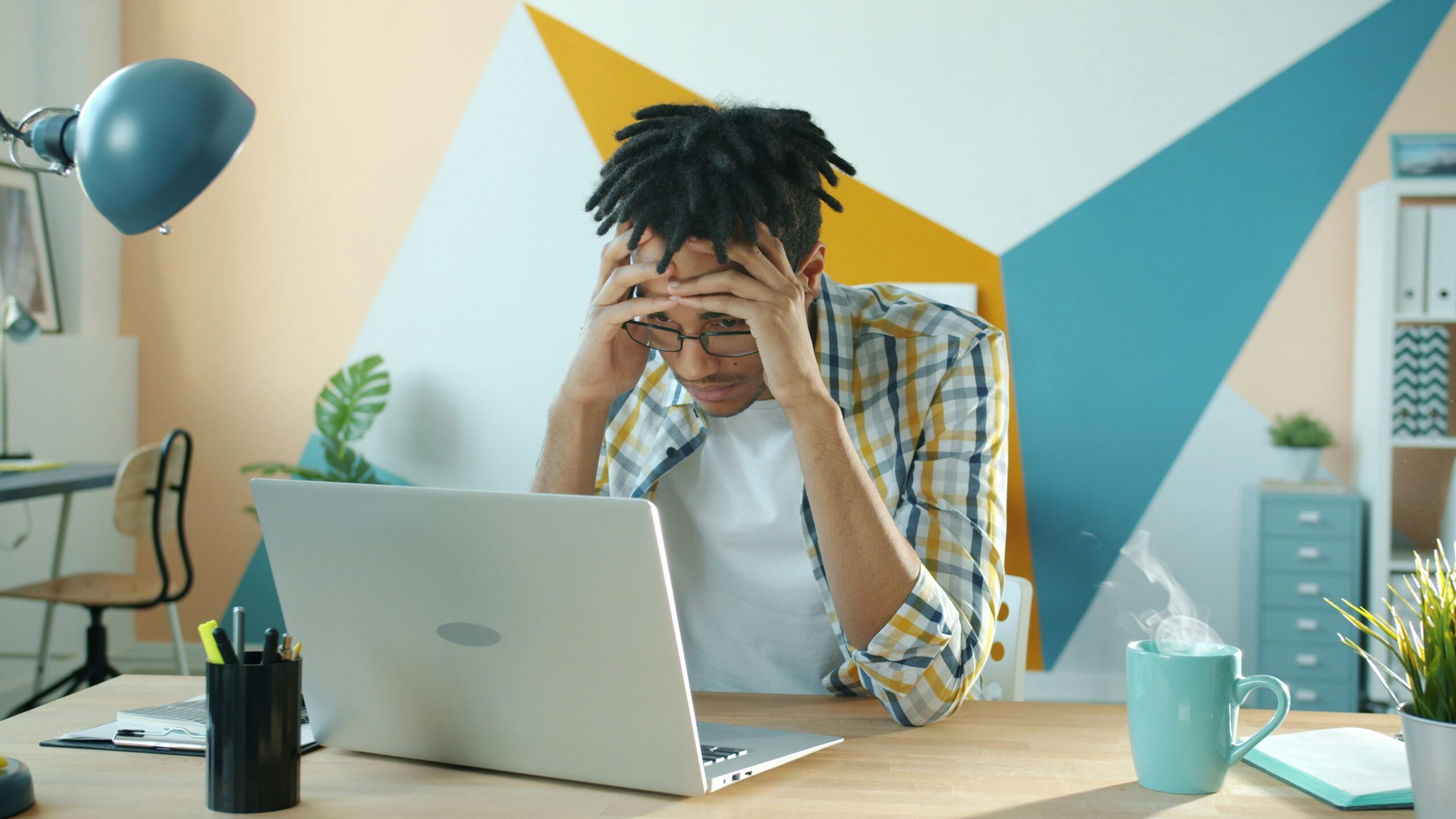
Did you know that over 40 million Americans (19.1%) have an anxiety disorder? However, the true number of those who suffer is probably much higher. From the stressors of everyday life to the hopeless circumstances featured in the news, people often find themselves chronically on edge, worried, and overwhelmed, just waiting for life to fall apart. Whether diagnosed or not, invisible anxiety exists, and it’s harder to recognize than some of anxiety’s more overt signs.
In this article, we’ll get into what invisible anxiety is, some common symptoms of invisible anxiety, and some approaches you can try to alleviate it.
Please note that while this article is science-based, it’s not a substitute for mental health counseling or other personalized, professional guidance. If you feel you have invisible anxiety, it is necessary for a medical professional to diagnose you. Please consult a counselor, a psychiatrist, or your primary care physician if you want assistance that is tailored to your experiences and lifestyle.
What Is Invisible Anxiety?
Typically, people who have anxiety may have two different types of symptoms: ones that are easily observable and/or ones that take a little more careful attention to detect. Some examples of obvious symptoms may include tremors and panic attacks. However, not all anxiety manifests this way. Invisible anxiety is not the same as general anxiety.
Invisible anxiety occurs whenever someone experiences less obvious anxious symptoms. This person is more likely to pass their symptoms off as just stress or even think that everyone suffers through this and that they must just muscle through. These types of individuals often lead regular lives, and their anxious behavior usually isn’t out of the ordinary enough for their friends, family, or coworkers to notice.
However, even if invisible anxiety isn’t that noticeable from the outside, it can still wreak havoc on someone’s life. In fact, people with invisible anxiety may face considerable mental pain when faced with everyday tasks, such as going to work or meeting with friends. They may find themselves less productive at work or home or even beginning to avoid some of their responsibilities or regular social arrangements.
What Causes Invisible Anxiety?

Invisible anxiety comes about from a variety of sources. Here are some common ones:
- Chronic stress
- Repressed emotions
- Large or small traumas. Large traumas refer to traumatic events that are commonly recognized as traumatic, such as surviving a natural disaster or witnessing violence. Small traumas include less commonly recognized events that still cause stress, such as losing a loved one
- Health concerns. Sometimes, hormone imbalances can influence your anxiety levels
- Substance conception. Some drugs, such as caffeine, can elevate your anxiety
What Are the Symptoms of Invisible Anxiety?
If you have invisible anxiety, you may experience some of the following symptoms:
- Distractibility and disorganization. Anxiety messes with your ability to concentrate, interpret new information, or make future plans
- Difficulty making decisions. An anxious brain often feels fuzzy and unclear, making it harder for you to think straight. As a result, you may feel your decisions aren’t well thought-through or that you settle for the “safe” decision that doesn’t give you much satisfaction.
- Emotional overwhelm. Over time, anxiety builds, making it harder for you to emotionally handle the demands of life.
- Perfectionism. While working hard and doing your best is often societally praised, it often leads to people holding themselves up to impossible standards. So, if you constantly find that you’re never good enough, you may have invisible anxiety.
- Constantly preparing for the worst. If you think about the worst thing that could happen on a consistent basis, you likely have anxiety.
- Muscle tension. Anxiety causes you to subconsciously tense your muscles, which can cause them to feel tight and sore.
- Insomnia. Some people with invisible anxiety struggle to fall asleep.
- A decreased interest in sex
- Dizziness
- General fatigue
How to Cope with Invisible Anxiety
See a Mental Health Professional

Mental health professionals, such as counselors and psychiatrists, use evidence-based strategies to help you overcome your anxiety. Counselors can teach you coping skills and help you process the source of your anxiety. With the right therapeutic relationship, you can experiment with different science-backed approaches while having regular check-ins with a trained professional. And now, you can even see a counselor who takes your insurance plan without leaving your home!
Psychiatrists are medical doctors who can prescribe medication for your anxiety.
Get Plenty of Exercise

Exercising regularly helps you reduce your anxiety in several important ways. First, it releases anti-anxiety neurochemicals, such as serotonin and endocannabinoids, which make you feel more relaxed. Second, moving your body helps your muscles relax, decreasing your body’s cues to your brain that there’s something to be anxious about. Third, exercising on a consistent basis activates your brain’s frontal lobes, which assists you with controlling the amygdala, the part of the brain responsible for anxiety.
Sleep More

The average adult needs 7-9 hours of sleep every night. If you’re getting less than that, your sleep patterns may be affecting your anxiety levels.
For those struggling to sleep, here are a few tips:
- Put screens away at least 30 minutes prior to going to bed. The blue light from screens messes with your body’s ability to produce melatonin, which causes you to feel sleepy.
- Keep your room dark and at a cool temperature
- Go to bed at the same time every day
- Take some over the counter melatonin if you need some extra assistance
Practice Deep Breathing

Deep breaths help calm your nervous system. There are many different types of deep breathing you can try, but one of the most popular options is Box Breathing. Start by inhaling for 4 seconds. Then, hold your breath for 4 more seconds. Finally, exhale for 4 seconds.
Try Journaling

Writing down your feelings can help you process them, leading to decreased stress. Plus, it enables you to notice trends in your anxiety. For example, maybe you have more anxiety when your boss gives you a specific type of project.



 Dive into insightful articles on health and wellness, nutrition, fitness, mental serenity, and so much more.

