

In many minds, spending hours and hours on our phones provides us with a way to unwind, watch our favorite shows, and maybe even catch up with our friends. However, current research shows that social media might not be as benign of a pastime as the public initially thought. Instead, it’s designed to reel you in and keep you clicking. So, if you use social media, you might be vulnerable to developing a social media addiction.
But knowing whether you have a social media addiction can be complicated. Likewise, establishing your own healthier relationship with this type of media might take some trial error. In this article, we’ll talk about:
- How to identify whether you have a social media addiction
- Several science-backed steps you can take to step away from your screen
What Is Social Media Addiction?
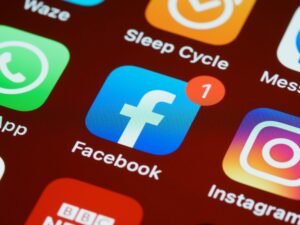
Unfortunately, there isn’t a uniform way to describe or diagnose a social media addiction. In fact, social media addiction still hasn’t been added to the Diagnostic & Statistical Manual of Mental Health Disorders (DSM-V), which serves as the primary diagnostic resource for many mental health professionals.
Yet, social media companies have designed their algorithms with human psychology in mind, using strategies similar to how casinos keep gamblers hooked. For example, think about a typical social media site’s notification system. Notifications are unpredictable and both frequent/infrequent enough that you’re always wondering whether or not your latest post has a new like or comment. As a result, you keep checking your account. Likewise, casinos offer just enough rewards to keep people coming back.
In addition, social media companies have realized it pays to continue to offer you a variety of content you love. So, you increasingly turn to these sites for your entertainment, news, and more, even if they’re negatively impacting your mental health.
So, social media addiction can best be summed up as a compulsive use of social media that consumes large amounts of your time and has other negative impacts on your life.
How Do I Know If I Have a Social Media Addiction?

Some signs you may have a social media addiction include:
- Spending 3 or more hours on social media per day
- Neglecting roles and responsibilities in favor of spending more time on social media
- Not having enough time for your friends and family because of the amount of time on social media
- Reduced sleep due to late-night scrolling
- Anxiety if your phone isn’t with you or your favorite platforms can’t be accessed (meditation can assist with reducing anxiety)
- Emotional withdrawal
- Foregoing real-world interactions in favor of social media ones
- Skipping social events
- Losing interest in formerly favorite hobbies
- Increased depression or anxiety
5 Steps for Breaking Social Media Addiction
Set Parameters on Your Social Media Use

The best way to address social media addiction is to reduce your usage. This might mean getting rid of all of the platforms or deleting apps from your home screen.
You may find it more beneficial to simply decrease the amount of time spent on the platforms. To do this, determine if you really need to access a certain social media account. Give yourself a schedule, and tell yourself you’ll only check the platforms for a certain number of minutes every day, ideally after you’ve finished your other responsibilities and social events. You can even temporarily block certain apps and websites so that you don’t mindlessly access them when you pick up your phone.
If you’re an influencer or run your own business, you may sometimes need those sites! But the trick is not to let yourself get wrapped up in other, non-business-related social media when you get on these accounts. Again, deactivate or block other, non-necessary social media accounts so that it’s not as easy to get on them.
Setting Parameters with Kids
Children might be resistant to giving up social media, but monitoring their time on the platforms is crucial. After all, social media can negatively influence their still-developing brains, and they’re more prone to get anxiety and depression from usage.
So, talk to your kids about your rules for social media usage. If possible, take their suggestions into consideration to make the parameters seem fair and make it easier for them to cooperate. Do your best to apply social media usage rules to everyone in the house so that the children don’t feel like they’re the only ones who can’t use the internet.
In addition, monitor their usage while they’re online. Internet content is often distressing, and both cyberbullies and child predators target young people online.
Seek Support from Friends and Family

Your friends and family play a crucial role in whether or not you’ll be tempted to get back online. After all, many people communicate through social media and might send you messages, TikToks, posts, or more, without even realizing that you’re reducing your time on it! So, tell the people closest to you about your new social media usage parameters. That way, they’ll know to not send you anything that might distract you from your goals, and they’ll find other ways to get in touch with you!
Get Involved in Your Hobbies Again

Many of us have things we once loved to do but now no longer have time to pursue. But here’s a startling statistic: the average American spends 2 hours and 23 minutes a day on social media. Instead of reaching for your phone, then, commit to getting involved with an old (or new) hobby. Sign up for classes, attend social groups dedicated to your interests, or even start your own get-together!
If you’re not a social butterfly, no problem. Try doing your favorite hobby at home with your wifi turned off so you aren’t tempted to access social media.
Talk to a Therapist

Not everyone who has a social media addiction will need to talk to a therapist. However, if the thought of going without your social media platforms proves too difficult or distressing, you may benefit from talking to a professional. Some therapists specialize in treating social media addiction, and all of them will have a basic working knowledge of dependency and addiction. Platforms like Betterhelp or Talkspace take many insurance plans, making it more affordable to receive care!
There is Hope for Breaking the Cycle

Dealing with a social media addiction can prove troublesome, but there is hope. Through setting parameters, seeking social support, doing hobbies, and even talking to a therapist, you can have freedom from social media-induced mental health problems. If you need some additional self-care while you’re waiting for your symptoms to improve, here are some tips!




 Dive into insightful articles on health and wellness, nutrition, fitness, mental serenity, and so much more.

