

With the rise of the internet and more accessibility to mental health care, public knowledge of mental health conditions has skyrocketed. While most people can readily identify the symptoms of common diagnoses such as depression and anxiety, the World Health Organization (WHO) estimates only 4.4% of people have an anxiety disorder and only 5.7% have depression. However, up to 20% of people in mental health treatment have an adjustment disorder. So, if you think you experience anxiety and depression, you just might come home with the diagnosis Adjustment Disorder with Mixed Anxiety and Depressed Mood.
That diagnosis might be lengthy and have one or two terms that lead you to scratching your head. But don’t worry! Let’s break down what an adjustment disorder is, what it means to have mixed anxiety and depressed mood, and what types of treatment might work well for you.
What Is an Adjustment Disorder?

Living life often proves difficult, and an adjustment disorder diagnosis reflects this. People with adjustment disorders have faced or are facing a difficult life event. They experience emotional and maybe even practical challenges.
Adjustment disorders come from many different situations. Some examples may include:
- Family and relationship developments – New marriages, breakups (or new romantic relationships), divorces, and deaths all completely reorient our lives, and they serve as a common source of adjustment disorders.
- Work or school – Our professional and educational lives often cause a lot of stress, so getting a new job or losing one or starting a new school can spark some mental health road bumps.
- Major life changes – Moving, having children, and other big life changes are a common source of adjustment disorders.
- Other stressors – These might include financial problems or trauma.
Symptoms of an Adjustment Disorder
There are 3 major categories of adjustment disorder symptoms: emotional, physical, and behavioral.
Emotional symptoms include:
- Sadness
- Hopefulness
- Tearfulness
- Struggling to feel joy or happiness (anhedonia)
- Irritability
Behavioral symptoms include:
- Crying spells
- Withdrawing from your social circle
- Impulsivity
- Aggression or violating rules
- Tardiness or absenteeism at work or school
Physical symptoms include:
- Insomnia or other changes in sleep
- Decreased or increased appetite
- Body aches, including (but not limited to) headaches
- Irregular heart beats or palpitations
If you’re experiencing any of the physical symptoms (especially headaches or heart beat irregularities), please consult a medical doctor before pursuing mental health treatment.
What Is Mixed Anxiety and Depressed Mood?
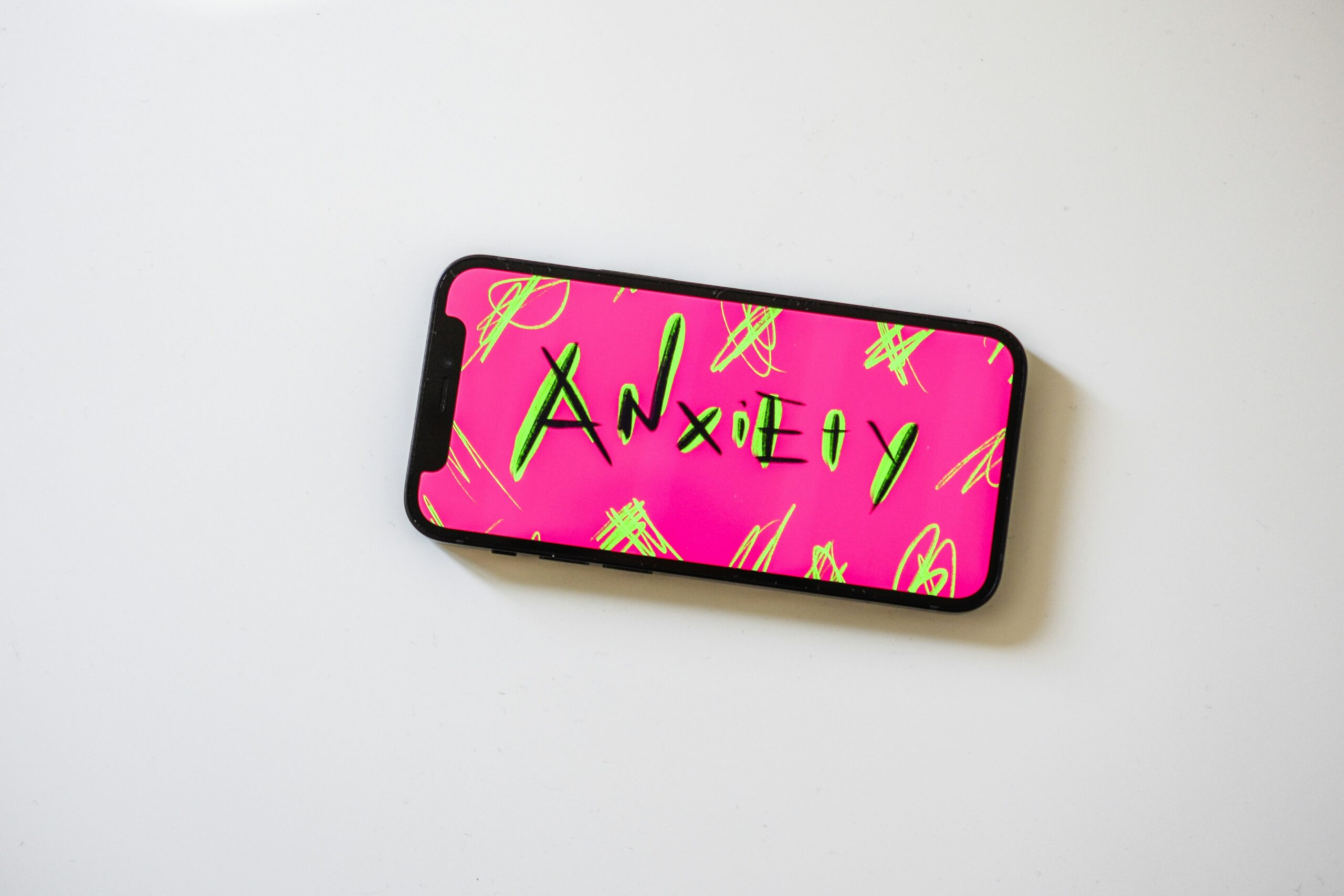
Adjustment Disorder is a full diagnosis on its own. So, the latter part of the diagnosis serves as additional information to describe what you’re going through. To be clear: this isn’t an anxiety or depression diagnosis. It only means that anxious and depressive symptoms are present, and you may or may not meet the requirements for a full anxiety disorder or depression diagnosis.
Common symptoms of anxiety include:
- Feeling on edge
- Restlessness and agitation
- Feeling overwhelmed or out of control
- Avoiding situations that trigger anxiety
- Insomnia
- Rapid heartbeat
- Tight chest
- Shaking
- Sweating
Common symptoms of a depressed mood include:
- Disinterest in hobbies or activities you once found pleasurable
- Persistent sadness or hopelessness
- Excessive sleep
- Difficulties with motivation
- Self-esteem issues
- Suicidal ideation or self-harming behaviors (cutting, pulling hair, picking at skin, hitting self, etc.)
- Feeling “flat” or “gray” emotionally
The “mixed” part of Adjustment Disorder with Mixed Anxiety and Depressed Mood indicates that you experience both anxious and depressive symptoms.
If you experience suicidal ideation or self-harm, please seek immediate treatment. If you’re doubting your ability to keep yourself safe, please call 988 if you’re in the United States or contact your country’s mental health helpline.
How to Heal from an Adjustment Disorder with Mixed Anxiety and Depressed Mood

Fortunately, adjustment disorders usually don’t last forever. In fact, they have very favorable outcomes when paired with the right interventions and may even go away with time. However, if you want to truly care for yourself during this time, you should pursue some form of treatment, especially if you’re experiencing suicidal thoughts or self-harm urges. Below are some options for treating Adjustment Disorder with Mixed Anxiety and Depressed Mood:
Talk Therapy
Speaking to a professional about your concerns regarding an Adjustment Disorder with Mixed Anxiety and Depressed Mood can help you in several distinct ways. Most counselors encounter and treat adjustment disorders every day and have extensive experience with anxiety and depression as well.
The right therapist for you will:
- Establish a positive therapeutic connection with you
- Use evidence-based practices to help you navigate the unique ways your Adjustment Disorder with Mixed Anxiety and Depressed Mood impacts your life
- Craft a personalized treatment plan for you
You might need to shop around to find a therapist who is the right fit for you. Look for someone who lists adjustment disorders, depression, and anxiety as their special areas of focus. In addition, pay attention to the personality fit. Do you like and respect this person? If so, you’re likely to work better together.
Online therapy platforms, like Betterhelp, help you filter through therapists by matching you with professionals who take your insurance and meet your needs. If you’re dissatisfied with the therapist they matched you with, you can even easily switch to someone you feel best treats your Adjustment Disorder with Mixed Anxiety and Depressed Mood.
Psychiatry
Psychiatrists are medical doctors who practice in the mental health sphere. As such, in the United States, they are the main type of mental health professional who can prescribe medications for those who have an Adjustment Disorder with Mixed Anxiety and Depressed Mood.
In particular, antidepressants (such as SSRIs or SNRIs, which inhibit the reuptake of certain chemicals in the brain, making you feel happier and less stressed) can be helpful, as can anti-anxiety pills. Your psychiatrist will review your symptoms and medical history and prescribe the most appropriate medication if you have an Adjustment Disorder with Mixed Anxiety and Depressed Mood.
Your psychiatrist may also recommend you speak to a counselor. While this usually isn’t mandatory for receiving psychiatric treatment, you can ask your psychiatrist for referrals if you wish.
Taking Care of Yourself When You Have an Adjustment Disorder with Mixed Anxiety and Depressed Mood

As you explore your treatment options and wait for your appointment for Adjustment Disorder with Mixed Anxiety and Depressed Mood, you still will need to take care of yourself if you’ve been diagnosed with Adjustment Disorder with Mixed Anxiety and Depressed Mood. Maintaining a steady work/life balance, social life, and exercise routine can go a long way. Mindfulness practices and coping skills can also reduce anxiety and keep you functioning at your best!






 Dive into insightful articles on health and wellness, nutrition, fitness, mental serenity, and so much more.

