

As the days get shorter and temperatures drop, our moods can feel the shift. Practicing gratitude during fall and winter can help counteract the seasonal blues while fostering a sense of warmth and connection. Taking time to acknowledge what you’re thankful for allows you to stay grounded and present, even when life feels hectic.
Practicing gratitude isn’t just a fleeting trend, it’s a scientifically proven way to boost overall well-being. From improving sleep quality to reducing stress, the benefits are plentiful. During fall and winter, when the holidays and family gatherings are in full swing, making gratitude a regular practice can enhance your interactions and deepen your bonds with loved ones.
Incorporating simple gratitude habits into your daily routine can completely shift your perspective. Practicing gratitude can be as easy as keeping a journal, sharing what you’re thankful for at dinner, or taking mindful moments to reflect on the positive aspects of life. As you embrace the seasonal changes, letting gratitude guide your mindset can help you navigate the months ahead with calm, joy, and intentionality.
How Gratitude Impacts Mental Health in Fall and Winter
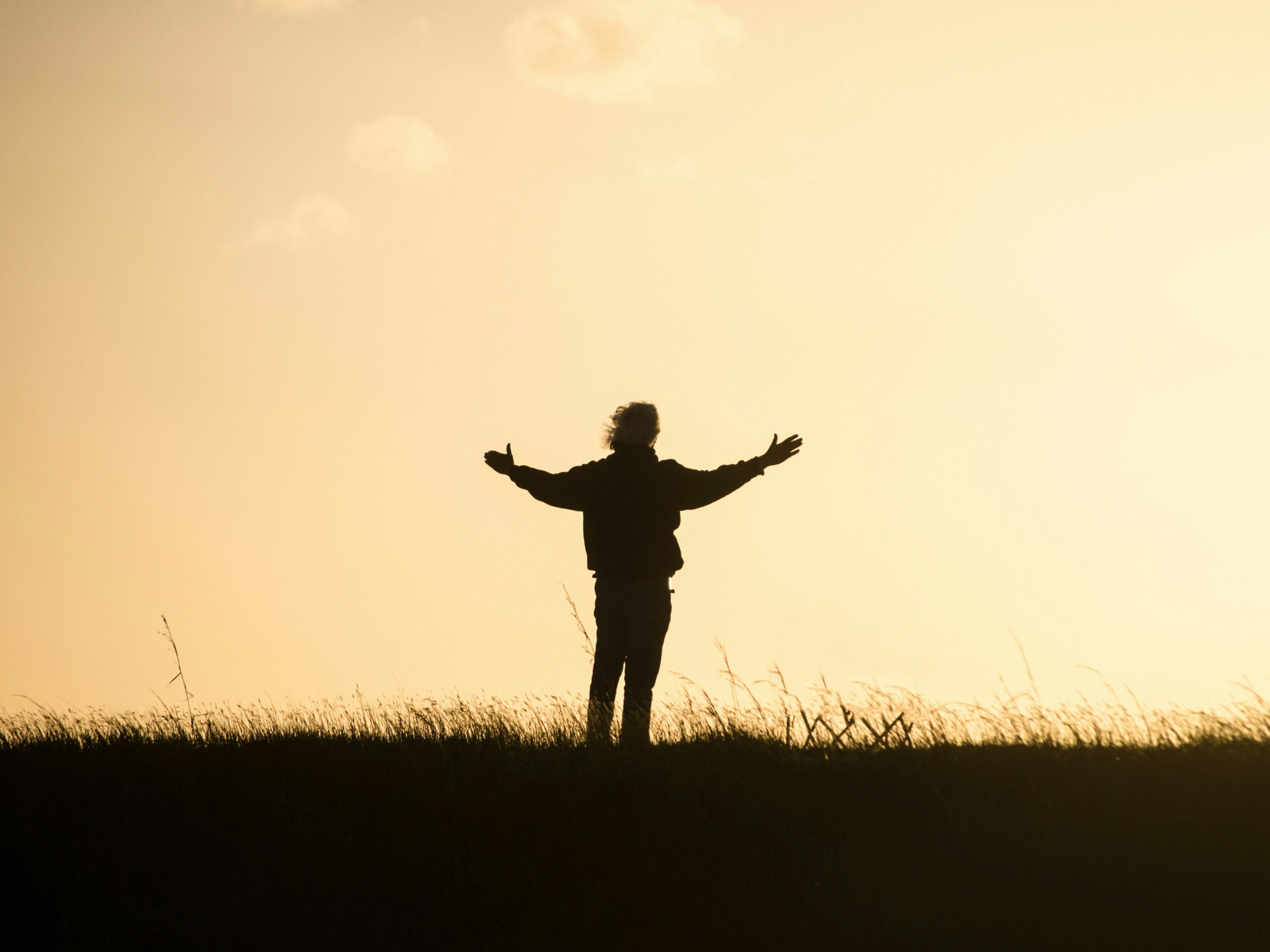
The fall and winter months can bring shorter days, cooler temperatures, and a natural slowdown in daily routines, all of which can affect your mental health. Practicing gratitude during this time can help counterbalance seasonal stress and mood dips by shifting your focus to positive aspects of your life. Studies show that gratitude can reduce symptoms of anxiety and depression while increasing overall feelings of happiness and contentment. When you make gratitude a habit, it helps you build resilience and improves your ability to handle challenges, both big and small. Even a few minutes a day of acknowledging what you’re thankful for can lead to long-term mental health benefits and a brighter outlook during the colder months.
6 Ways to Practice Gratitude Throughout the Day
Incorporating gratitude into your daily routine doesn’t have to be complicated. Here are some easy ways to make it a habit:
- Start your morning by naming three things you’re grateful for before getting out of bed.
- Keep a small journal and jot down daily moments that brought you joy or comfort.
- Share appreciation with friends, family, or coworkers through quick notes or texts.
- Take a mindful pause during meals to appreciate the food, company, or quiet moments.
- Reflect on positive experiences before going to sleep to end your day on a high note.
- Create gratitude prompts for yourself, like asking what went well today or who made you smile.
7 Powerful Ways Practicing Gratitude Can Transform Your Fall and Winter
1. Boost Your Mood Instantly

Practicing gratitude helps you focus on the positives, which naturally lifts your spirits. When you acknowledge the good in your life, your brain releases feel-good chemicals that improve mood. Even during shorter, colder days, gratitude can help combat seasonal blues. Taking time to appreciate simple joys, like a warm cup of tea or a quiet evening with loved ones, can make a noticeable difference. By training your mind to notice what’s working well, you reduce stress and feel more content.
2. Strengthen Your Relationships
Sharing gratitude can improve your connections with friends, family, and colleagues. When you express appreciation, it encourages reciprocal kindness and deepens emotional bonds. During holiday gatherings or family dinners, acknowledging the efforts of others can create a more positive and loving atmosphere. Gratitude fosters empathy and helps you feel more connected to the people around you. Over time, this strengthens your relationships and builds a supportive network during the fall and winter months.
3. Reduce Stress and Anxiety
Gratitude helps put problems into perspective and lowers stress levels. By focusing on what you have rather than what’s lacking, you give your brain a break from negative thinking patterns. Practicing gratitude has been shown to reduce cortisol levels, which helps your body handle stress better. It can also improve your ability to adapt to change and uncertainty. Regularly reflecting on the things you’re thankful for can create a sense of calm and stability in otherwise hectic months.
4. Improve Sleep Quality

Gratitude can make it easier to fall asleep and stay asleep through the night. Reflecting on positive experiences before bed reduces worry and racing thoughts. Writing down what you’re grateful for or simply thinking about the good moments of the day can relax your mind. Better sleep enhances your mood, energy, and overall health. Making gratitude part of your nightly routine creates a cycle of positivity that carries over into the next day.
5. Increase Motivation and Productivity
Focusing on gratitude can give you more energy and drive to pursue your goals. When you appreciate what you’ve already accomplished, it builds confidence and encourages you to keep moving forward. Gratitude helps shift your mindset from scarcity to abundance, which fosters creativity and problem-solving. Even in the shorter, darker months, you can feel more motivated to stay active and productive. Small daily gratitude practices can result in measurable improvements in your work and personal life.
6. Cultivate Mindfulness and Presence
Gratitude encourages you to slow down and notice the little things. When you focus on the present moment and what’s going right, it becomes easier to enjoy everyday experiences. This can include watching the leaves change, savoring seasonal flavors, or listening to music you love. Practicing gratitude improves awareness and reduces mindless worry about the past or future. Being fully present enhances your overall sense of well-being and makes fall and winter feel more fulfilling.
7. Build Long-Term Resilience

Gratitude strengthens your ability to cope with challenges over time. By consistently recognizing what’s positive in your life, you create a mental habit that buffers against stress and disappointment. This resilience helps you handle seasonal changes, family dynamics, and holiday pressures with more ease. Over time, practicing gratitude rewires your brain to default to optimism rather than negativity. When shorter days and colder months arrive, your gratitude practice will help you face them with confidence and calm.

Carry Gratitude Through the Season

As fall transitions into winter, practicing gratitude and carrying this practice with you can transform the way you experience these months. By actively acknowledging the positive aspects of your life, you’ll find more moments of joy, connection, and calm even during stressful holiday weeks. Practicing gratitude this season doesn’t just lift your spirits, it strengthens your relationships and makes each day feel richer and more meaningful.
Making practicing gratitude a consistent habit can influence your mindset long after the season ends. Practicing gratitude regularly can reduce stress, improve mental health, and create a more positive environment at home and at work. Whether it’s through journaling, verbal affirmations, or small acts of kindness, embracing gratitude ensures you approach the colder months with warmth, connection, and intention.







 Dive into insightful articles on health and wellness, nutrition, fitness, mental serenity, and so much more.

