
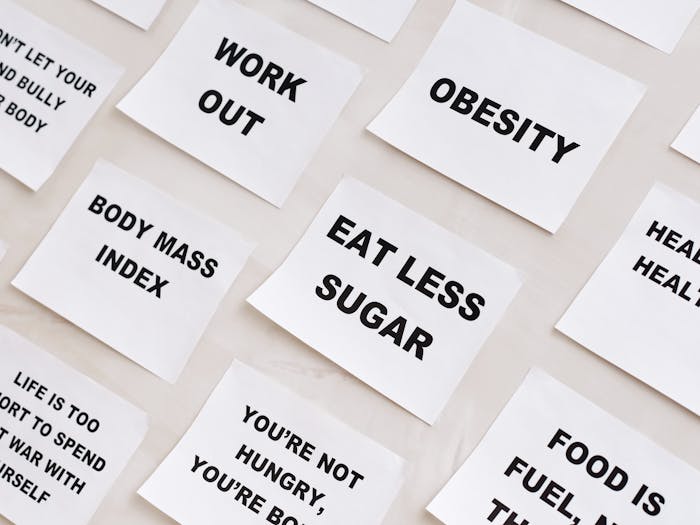
Establishing a change of habit can be a tricky task for anyone. After all, nearly half of all people who make New Year’s Resolutions will end up breaking them. However, science has shown that if you want to make a lasting change, there are certain steps you can take to help you stick to your goals. But to understand how to permanently change habits, it’s crucial to learn more about the workings of our brain and how it impacts our behaviors.
In this article, we’ll explain more about the science behind permanent change and ways you can create healthier and more positive habits in your everyday life.
Why Is Change so Hard?
There’s a reason why habits are hard to change – we’re naturally built to resist them! Building or breaking a habit takes a lot of mental pressure. And the natural human response to being pushed is to resist it (or feel anxious or angry).
There are many reasons why our brain struggles with change (especially as we get older, too!). First of all, studies have shown that we are rather inflexible in our belief systems. Humans tend to cling to familiar ideas because they are tested and true. The fear of the unknown, potential outside threats, or added work can prevent us from being open to new ideas or changes, even if they are good for us.
The Change of Habit Process
How Habits Are Formed
Just as our brains are built to resist change, they’re also built to pick up on rewards. We crave things that make us feel good (read about the Habit Loop to learn more about this in more detail). And when our brains respond to this increase in dopamine, we create habits between that behavior and the pleasure we feel.
This function originally helped us during our primitive years (seeking high calories, finding comfort, avoiding pain). However, the habits that are formed based on those pleasures aren’t always good for us in the long term.
In fact, dopamine is behind a lot of addictive behaviors. Most addictive drugs activate the dopamine system to various degrees. The more a drug or activity activates the brain’s dopamine receptors, the more likely someone is to abuse that drug or activity. This is why doctors are so hesitant to prescribe drugs that feature opioids or opiates. Opium heavily activates the dopamine system.
Let’s be clear, though: not all “addictions” are actually “addictions.” You might not suffer from drug or substance addiction, but you likely have something that you continually return to for the dopamine rewards. These things might be food, video games, social media, or any range of activities. Most of these activities remain fine in moderation. However, in excess, some otherwise healthy things can turn unhealthy.
It’s impossible to carry on with life without activating the dopamine system, however. And you wouldn’t want to, either! Dopamine is essential for maintaining concentration, sleeping well, and staying motivated. It also helps you with memory, satisfaction, and feelings of pleasure. In short, a life without dopamine wouldn’t be healthy, and it certainly wouldn’t be happy!
So, to facilitate a change of habit, you need to know how to game the dopamine system. Otherwise, our brains will just urge us to return to the same old habits that cause a spark of dopamine.
How to Make Lasting, Permanent Changes
Identify the Reason for the Change
When creating a new goal for yourself, first think hard about why it’s important. This goes beyond the habit itself and instead focuses on the motivation for the change. If you want to lose 10 pounds or quit smoking, your real motivation is likely to live a healthier lifestyle. Or if you want to cut back on spending money, perhaps you’re really trying to establish better financial habits.
Once you identify the real reason for creating change, you can give yourself more incentive to stick with the habit.
Here are some tips for creating a good goal:
Get SMART
And don’t worry; you don’t need to be book smart or street smart to change your habits! Instead, you should create SMART goals. These types of goals are used by therapists and life coaches to help people get extra clear on what they want and how they’re going to get there.
Let’s break down the SMART acronym:
- S – Specific. You want to make your goal as specific as you possibly can.
- M – Measurable. Ask yourself how you’ll know when you’ve reached your goal. If possible, break down your goal into smaller steps.
- A – Achievable. Make sure your goal is something you believe you can actually achieve. Too lofty of a goal might feel unattainable and keep you from sticking to the course.
- R – Relevant. Your goal should be relevant to what you want to get out of it. Any irrelevant aspects of your goal will likely sidetrack you.
- T – Time-bound. How long will it take you to achieve your goal? Write this down. That way, you’ll know if you’re on track or not.
A smart goal might look like any of these:
I will attain my goal of losing 20 pounds in the next 4 months by running.
I will reach my goal of reading 15 books this year by reading 1.5 books every month.
I will achieve my goal of socializing more over the next 2 months by making plans with at least 1 friend every week.
Learn to Live with Discomfort
Change is hard, especially if we’re trying to tell our brain to do something that is uncomfortable. For example, eating a salad or going for a run may not trigger the same dopamine reward as eating pasta or lying on the couch. So, your brain won’t naturally motivate you to do these things.
But if you let that discomfort take over, you’ll find that it’ll be impossible to adopt a change of habit. Instead, it’s important to accept that change will bring new emotions or feelings. Working with a doctor or therapist can help you deal with these unpleasant feelings so you can achieve your long-term goals.
In fact, for people who struggle with living with discomfort, Acceptance and Commitment Therapy (ACT) might prove helpful. As a form of talk therapy, ACT focuses on teaching the person to become comfortable with discomfort and hardship. Underpinning this type of therapy is the theory that accepting unpleasant situations actually makes life easier and more filled with contentedness.
It’s important to note that certain physical and mental health conditions might make habit change more difficult for some people. For example, women with polycystic ovarian syndrome (PCOS) often struggle to keep weight off, and people with diabetes need to carefully watch their blood sugar levels. Likewise, people with ADHD might struggle to follow through with their habit formation. This is because ADHD brains constantly look for dopamine, so activities that don’t bring dopamine are harder to follow through on.
If you have medical or mental health conditions that may be impacted by your change of habit, consult a doctor or therapist before making these alterations to your life. Even if you can’t change habits in the ways you want to, these professionals can help you form another, more achievable and healthy plan.
Consistency Is Key
If you want to develop a healthy habit, you’ll need to create consistency around the task. And according to a study from the University College London, turning something into a habit happens around the 66 day mark.
That’s because when something is repeated long enough, our brains can perform them without too much thought. When we do other daily tasks (like brushing our teeth, driving to work, etc), our brains go on autopilot as a way to conserve energy. Therefore, you’ll want to turn that new task into a habit that our brains can do automatically!
Be Kind to Yourself
At the beginning of the habit change process, having the patience to wait out 66 days might seem impossible. You might have days where you don’t want to put forth the effort. On these days, remember to be kind to yourself. Take the time to remind yourself that whether or not you follow through on your plans one day, you have the chance to do it tomorrow.
Habits are rarely derailed by just one day of lapsing. Instead of focusing on being perfect, retrain your mind to think about achieving net gains.
Our brains are hardwired to resist change and discomfort, making it hard to create a change of habit in our daily lives. However, that doesn’t mean you can’t break unhealthy habits or create positive ones! By understanding the science behind permanent change, you can start to build healthier habits to create a more balanced and fulfilling life.





 Dive into insightful articles on health and wellness, nutrition, fitness, mental serenity, and so much more.

