
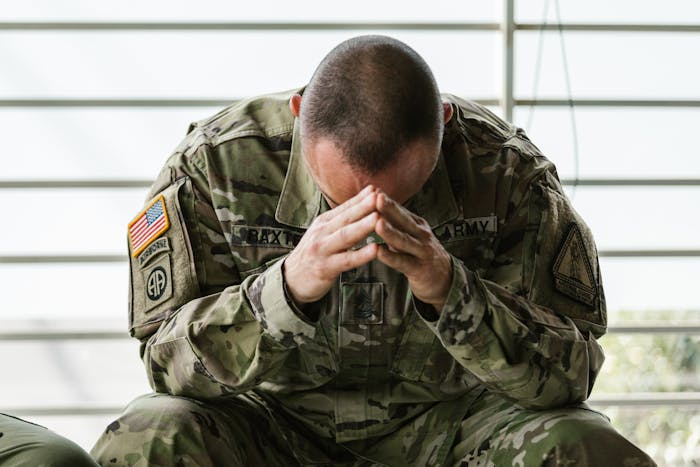
Many people think of trauma in the most extreme terms. They consider large traumatic events, such as obvious abuse or scarring accidents, as the only forms of trauma. In truth, trauma is a lot more convoluted. In fact, sometimes, complex trauma creeps in over time, causing a person to suffer from a variety of symptoms they may struggle to understand.
To explore complex trauma, we’ll answer the following questions:
- What is complex trauma
- What are the symptoms?
- How do you heal?
- What are some misconceptions about people with trauma?
What Is Complex Trauma?

Complex trauma refers to experiencing adverse symptoms stemming from exposure to many traumatic events over time. It differs from single-event trauma in that people who suffer from it have undergone a series of difficult events. On the other hand, single-event trauma involves experiencing one large traumatic event.
Here are some examples of complex traumatic experiences:
- Child abuse or neglect
- Living in a violent neighborhood or environment
- Prolonged interpersonal conflict or violence
- Victims of sex or labor trafficking
- Victims of ongoing sexual abuse, both as adults and as children
This list is not exhaustive. In fact, if you have faced a prolonged time of extreme stress, you might be at risk of having or developing complex trauma.
What Are the Symptoms?
Most people who experience complex trauma exhibit one or more of the following symptoms:
- Flashbacks to one or more traumatic events
- Nightmares
- Difficulty remembering parts of life during the traumatic time
- Impulsive or aggressive behavior
- Heightened emotional responses
- Challenges maintaining relationships
- Anxiety
- Depression
What Is the Brain Science Behind Complex Trauma?
The brain is incredibly adaptive. Designed to keep people safe, the brain includes the prefrontal cortex, the hippocampus, and the amygdala. The first controls emotional regulation, and the other is in charge of emitting stress hormones. The amygdala keeps people alive by triggering the fight, flight, freeze, or fawn response when exposed to any perceived danger.
The hippocampus lays down memories about different events, which helps people remember whether or not something was threatening. So, any reminders of the traumatic event will cause the hippocampus to drudge up a memory. This causes a stress response in the amygdala.
When the amygdala emits enough stress hormones, it suppresses the prefrontal cortex. So, people who experience traumatic events often feel like reminders of their trauma cause overwhelming responses.
How Can You Heal?

Healing from any traumatic event often involves a long and difficult process. However, hope exists. By seeking out a mental health professional trained in treating trauma, you stand a greater chance of being able to recover and move on.
Many different forms of therapy are effective for treating complex trauma. For example, Trauma-Focused Cognitive Behavioral Therapy (TFCBT) and Dialetical Behavioral Therapy (DBT) both teach people how to identify and handle their thoughts and emotions. While these aren’t the only modalities used to treat trauma, they’re ones worth looking into.
Likewise, mindfulness and acceptance-based therapies work well for complex trauma. Both types of therapy target noticing distressing feelings without passing judgment on them. Doing so helps people become more comfortable with their distress, thereby dulling the impact of their thoughts.
Finally, Eye Movement Desensitization Reprocessing (EMDR) proves useful because it uses bilateral stimulation to activate different areas of the brain. That way, when someone reprocesses an event, people approach it from different perspectives, allowing for a more thorough treatment.
Many people find that sitting in a therapy session and talking about difficult experiences causes negative feelings to re-emerge. Please know this is entirely normal and doesn’t mean healing isn’t taking place. In fact, most counselors will tell you that therapy sometimes makes you feel temporarily worse because it prompts you to confront emotions. However, by processing these emotions in an evidence-backed manner, you stand a better chance of coming to a more peaceful place.
Remember, you have the ability to refuse any type of treatment, even if your therapist recommends it. So, if you feel like a certain kind of therapy is too difficult for you, inform your therapist. They will be able to make alternative suggestions.
You might also want to see a psychiatrist to see if you can get on medication that will help you.
How to Find the Best Therapist for You
While most people with complex trauma should be in therapy, not every therapist will work well for every person. Successful therapy often boils down to the quality of the relationship between the therapist and the client. So, you’ll want to look for someone you genuinely connect to.
In addition, you’ll likely want to look for a therapist that uses the modalities that are effective for trauma. The longer they’ve practiced these techniques, the better they’ll likely be at them.
Complex Trauma and Common Comorbidities
In the mental health world, a comorbidity is a condition that co-exists with another condition. It doesn’t have to actually be a morbid or terminal disease. In fact, comorbidities impact people to various degrees. Some people may not even realize they have a comorbidity, while others may find their lives severely disadvantaged.
Complex trauma, like nearly every diagnosis, has a number of potential co-existing conditions. Often, the conditions stem from the trauma. However, they can also exist independently of them.
Here are some of the most common comorbidities with complex trauma:
- PTSD – Contrary to popular belief, PTSD and trauma aren’t two terms for the same thing. It’s entirely possible to have trauma without developing PTSD. On the other hand, to have PTSD, a person needs to have experienced a traumatic event. PTSD symptoms have a lot of overlap with symptoms of complex trauma, though. So, those who think they may have complex trauma and PTSD should seek a diagnosis for clarity and the best treatment.
- Substance Use Disorders – Trauma and substance use often go hand-in-hand. After all, trauma causes a slew of unpleasant symptoms, such as reliving distressing memories. People try to flee this distress, using substances to cope and suppress the symptoms. While substances sometimes push the symptoms away temporarily, they always come back, rendering this treatment ineffective. Also, consuming substances puts people at a greater risk of developing life-threatening conditions, such as cancer, or overdosing.
- Depression – Complex trauma sometimes goes hand-in-hand with depression. Characterized by consistent feelings of sadness and hopelessness, people who have depression often lack motivation. They may feel life is not worth living and spend a lot of time sleeping. Sometimes, this goes so far as the person planning to take their own life. If you start experiencing suicidal ideation, please seek immediate help.
- Anxiety – Complex trauma puts people in a heightened state of anxiety. People may find themselves constantly worrying and feeling as if they can’t relax.
- Suicidal ideation – People who have complex trauma can also develop suicidal ideation even if they don’t have depression. There are different severities of suicidal ideation. Some people have passive suicidality, in which they think about taking their life but don’t plan on going through with it. Once people start making suicidal gestures, such as looking at pill bottles or searching for weapons to buy, the condition moves to active ideation. Active ideation is much more serious and requires immediate emergency intervention, especially if the person already has a plan in place.
What Are Some Misconceptions About Complex Trauma?
Misconceptions about people with complex trauma abound. If not addressed, they can lead to the stigmatization of people with trauma and/or prevent others from getting the treatment they need.
Here are some of the misconceptions:
- You need to have experienced a significantly distressing event – Some people with complex trauma will have a significant distressing event in their past. However, people may also have experienced a serious or minorly distressing events that compile into complex trauma.
- People with complex trauma are completely inhibited in life – People are incredibly resilient. In fact, most people with trauma continue to push through their lives and even thrive in different ways. Still, just because someone can continue on doesn’t mean they’re living the highest quality of life possible. Instead, many people with complex trauma often find life more troubling than other people do.
- Complex trauma often requires extended and obvious abuse – Some people with complex trauma have undergone extensive periods of abuse. However, the abuse isn’t always obvious. Rather, it might take the form of verbal or emotional abuse. It may even take the form of neglect. Likewise, people who have gone through troubling times, such as financial difficulties, might have complex trauma.
Taking Care of Yourself
Complex trauma often proves a difficult thing to experience. While treatment can help, you’ll likely always have the memories of your distressing events. As such, you need to learn to care for your mental health. If you want to do this while you’re waiting for your next therapy appointment, check out our self-care tips!







 Dive into insightful articles on health and wellness, nutrition, fitness, mental serenity, and so much more.

