

Current research indicates that 80% of people who lose weight will not maintain that same amount of weight loss for more than a year. Instead, most of those people go on to regain more than half of what they originally lost. Some will find themselves back at their original weight, and others may even gain more than they weighed at the outset. Fortunately, it’s possible to transform weight loss with behavioral science.
Here’s what this article will address:
- Why do diets usually fail?
- How does behavioral science transform weight loss?
- How do you create your own weight loss transformation plan?
Why Diets Usually Fail
When faced with a failing diet, many people assume that they lack the willpower to maintain their goal weight. However, even though willpower prompts you to start your diet, you’re also fighting against your biology.
We don’t think about this every day, but our bodies evolved with the ability to survive in the wild. So, we have internal mechanisms that signal to us when we need to eat. Currently, most diets focus on calorie restriction. But because of our biology, our bodies respond to calorie restriction with countermeasures that motivate us to eat.
When we start restricting our calories, our bodies begin releasing ghrelin, the hormone that increases hunger. In addition, the brain also drains itself of the hormone leptin, which induces the sensation of feeling full. When you’re eating your regular diet, your brain uses ghrelin and leptin to naturally manage your food intake. Finally, your metabolism slows down to make sure your body doesn’t burn too many calories.
These biological processes prompt your brain to become food-obsessed. You may notice yourself constantly thinking about food and when you’ll eat next. Then, once you finish a meal, you might not feel as full. After all, your body is trying to encourage you to eat more by keeping leptin at bay.
So, these biological processes usually overwhelm people’s willpower, making it difficult to lose weight that way.
How Behavioral Science Can Transform Weight Loss
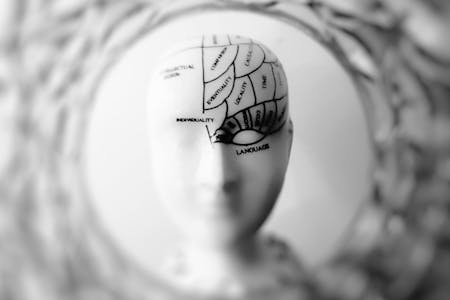
If you’re looking to transform weight loss into something that feels more possible to you, consider using your brain to your advantage. While dieting works against your brain, there are ways you can use your biological processes to your advantage by making changes to your behavior.
Instead of relying on dieting, think more along the lines of eating healthy foods on a day-to-day basis. For the best results, consider not cutting out any food groups unless a doctor tells you it’s necessary for your personal health. Instead, reduce your consumption of unhealthy food groups, such as those high in sugar and fat. In most cases, you can eat them sparingly and still lose weight.
If you do this, you get to eat your favorite foods and keep your brain more satisfied while still making healthier choices. Many people find this more sustainable than cutting out the foods they crave entirely.
People who still find themselves longing for treats should consider replacing their unhealthy snacks with alternatives. For example, a person who loves ice cream should consider blending up and freezing bananas or eating Greek yogurt with berries.
But behavioral science doesn’t just transform weight loss using food choices. Instead, it encourages people to create workable habits for themselves. We’ll get into how to create these habits below.
Creating Your Behavioral Science Weight Loss Plan
Set Your Goals
Research demonstrates people stand a greater chance of achieving their objectives if they set goals. For the best results, make the goal a SMART goal. SMART stands for specific, measurable, achievable, realistic, and time-bound.
So, a SMART goal for weight loss would look something like:
I will lose 20 pounds (specific, measurable) in the next 3 months (achievable for many people, realistic, and time-bound).
Eat Mindfully

When you prepare and eat your meals, try to keep mindfulness at the forefront. Pay attention to what you’re eating and how much, which helps you avoid consuming too large of portions.
Finally, eat slowly and chew a little more. Some research demonstrates that people who chew more thoroughly burn more calories when they eat and also feel fuller faster on less food.
Keep a Food Journal
In addition to paying attention to what goes into your food, write it down. If you do this, you have the opportunity to keep track of what you’re eating throughout the day. You’re also less likely to forget that you had a certain food group before lunch and don’t need it again at dinner time.
Start Exercising
Getting regular exercise remains crucial for weight loss, even when you make other behavioral changes. After all, working out burns calories, causing pounds to drop. Just make sure you eat a healthy snack afterward so your brain doesn’t trigger its biological processes to make you crave cake!
If you don’t know what’s healthy for your body or if you have a particular condition, please consult your doctor before making any permanent changes to your routine!
Once you learn how to transform weight loss with behavioral science, you’ll be well on your way to achieving your weight loss goals. But remember, taking care of your body is a holistic thing to do. Here are some tips for staying healthy regardless of the number on the scale!






 Dive into insightful articles on health and wellness, nutrition, fitness, mental serenity, and so much more.

