

As the days get shorter and the nights stretch longer, our internal rhythms start to change. For many people, these seasonal shifts have more impact than they realize. The science behind sleep chronotypes helps explain why some people feel more sluggish, alert, or moody when winter arrives. Understanding your sleep chronotype, your body’s natural pattern of sleep and wake times, can shed light on how this season subtly affects your mental and emotional balance.
Sleep chronotypes vary from person to person, but winter often brings noticeable changes to everyone’s routine. Shorter daylight hours and less sunlight exposure disrupt the body’s natural production of melatonin and serotonin, which play key roles in sleep and mood. When your sleep chronotypes shift, your energy, motivation, and even emotional stability can shift too.
Recognizing how sleep chronotypes adapt during winter gives you the power to manage your well-being more intentionally. By paying attention to these patterns, you can make small changes that improve your sleep quality, boost your mood, and help you stay balanced even when sunlight feels scarce.
What Are Sleep Chronotypes and Why Do They Matter?

Sleep chronotypes describe your body’s natural rhythm for sleeping and waking, influenced by your genetics and internal clock. Simply put, according to UCLA Health, “Your chronotype is your body’s natural sleep and wake preferences.” Everyone falls somewhere on the spectrum, from early birds who thrive at sunrise to night owls who feel most alert after dark. Understanding your sleep chronotype helps you know when your mind and body perform best, which can transform how you approach rest, productivity, and mood. There’s no doubt about it — good sleep is essential.
When you ignore your natural rhythm, your body fights to keep up, leaving you tired or unmotivated. But when you align your habits with your chronotype, sleep quality and mental clarity improve dramatically. That’s why knowing your sleep chronotypes matters—it’s the foundation for better health and emotional balance all year long.
The Science Behind Seasonal Shifts in Sleep Patterns
Winter brings a noticeable change in daylight, temperature, and routine, all of which influence how sleep chronotypes behave. The body relies on light cues to regulate the circadian rhythm, the internal clock that dictates when you feel sleepy or awake. Shorter days mean less light exposure, which leads to an increase in melatonin production. This makes you feel drowsier earlier in the evening and groggier in the morning.
Because sleep chronotypes are sensitive to these natural cues, many people experience delayed or irregular sleep cycles during the colder months. These biological changes can lead to oversleeping, mood swings, decreased motivation, and even sleep anxiety. Shorter days can also impact dopamine levels, which can lead to those issues as well. By understanding how your chronotype responds to seasonal shifts, you can make adjustments that help maintain balance throughout the winter.
How Winter Sunlight Affects Your Internal Clock

The amount of sunlight your body receives plays a key role in setting your internal clock. During winter, shorter daylight hours and cloudier days reduce exposure to natural light, which is vital for regulating sleep chronotypes. Less sunlight means lower serotonin levels and increased melatonin production, creating the perfect recipe for feeling sluggish and unmotivated.
Spending even 15 minutes outside in the morning light can help reset your body’s rhythm. Natural light signals your brain that it’s time to wake up, helping align your chronotype to a consistent schedule. For those who can’t get enough daylight, using a light therapy lamp can mimic sunlight and help keep your internal clock steady through the darker season.
Signs Your Sleep Chronotype Is Changing

It’s normal for sleep chronotypes to shift slightly with the seasons, but some changes are more noticeable than others. You might find yourself sleeping in later, feeling tired earlier in the day, or struggling to focus as daylight fades. These are signs your internal clock is trying to adjust to reduced sunlight and temperature changes.
Other clues include changes in appetite, energy levels, and mood. If you’re suddenly craving more sleep, feeling sluggish during the afternoon, or staying awake longer at night, your chronotype may be drifting. Recognizing these signs early allows you to make small lifestyle tweaks before the imbalance begins to affect your mental and emotional health.
How To Support Mental Health Through Better Sleep Hygiene
Improving mental health often begins with better sleep hygiene. For every chronotype, the basics remain the same: consistency, light exposure, and mindful habits. Going to bed and waking up at the same time each day reinforces your body’s internal rhythm, even when daylight hours are short. Avoiding screens at night and creating a calming bedtime routine can further help your sleep chronotypes stay balanced.
Good sleep hygiene also supports emotional stability. When your rest improves, your ability to handle stress, focus, and maintain a positive outlook strengthens. Paying attention to how your chronotype responds to light, food, and activity levels can make a significant difference in your winter mental health.
5 Practical Tips To Stabilize Your Chronotype During Winter
1. Get Morning Sunlight Every Day

One of the simplest ways to reset your sleep chronotypes is by getting exposure to natural light early in the day. Sunlight acts as a powerful signal to your brain that it’s time to wake up, helping regulate your internal clock. Aim for at least 15 to 30 minutes outside within the first hour of waking, even if the sky is overcast.
If natural light isn’t possible, consider using a light therapy lamp for similar benefits. Regular morning light exposure not only stabilizes sleep chronotypes but also boosts serotonin, improving both focus and mood.
2. Keep a Consistent Sleep Schedule

Your body thrives on predictability. Going to bed and waking up at the same time each day helps maintain steady sleep chronotypes, even when the days grow shorter. Consistency tells your brain when to produce melatonin and when to stop, which can minimize winter fatigue.
Try to keep your sleep window within the same one-hour range every day, weekends included. Over time, your body will adapt, leading to easier mornings and more restful nights.
3. Limit Evening Screen Time

Screens emit blue light that interferes with melatonin production, making it harder for your body to recognize when it’s time to wind down. Because sleep chronotypes are already sensitive to light changes, excess screen exposure in the evening can delay your sleep cycle further.
To help reset your rhythm, reduce screen use at least one hour before bed. Replace scrolling with calming activities like reading, journaling, or stretching. You’ll notice an improvement in both sleep quality and mental clarity after just a few nights. Need some tips for breaking social media addiction and limiting screen time? We’ve got you covered.
4. Exercise Regularly

Physical activity helps regulate hormones and supports healthy sleep chronotypes by reducing stress and improving energy balance. Whether it’s a brisk walk, yoga, or indoor workout, exercise signals to your body that it’s daytime and boosts alertness. Good sleep and exercise performance are directly related, too.
Try to schedule workouts in the morning or early afternoon to reinforce your natural rhythm. Regular movement not only stabilizes your chronotype but also combats the winter blues that often come with shorter days.
5. Create a Cozy Nighttime Routine
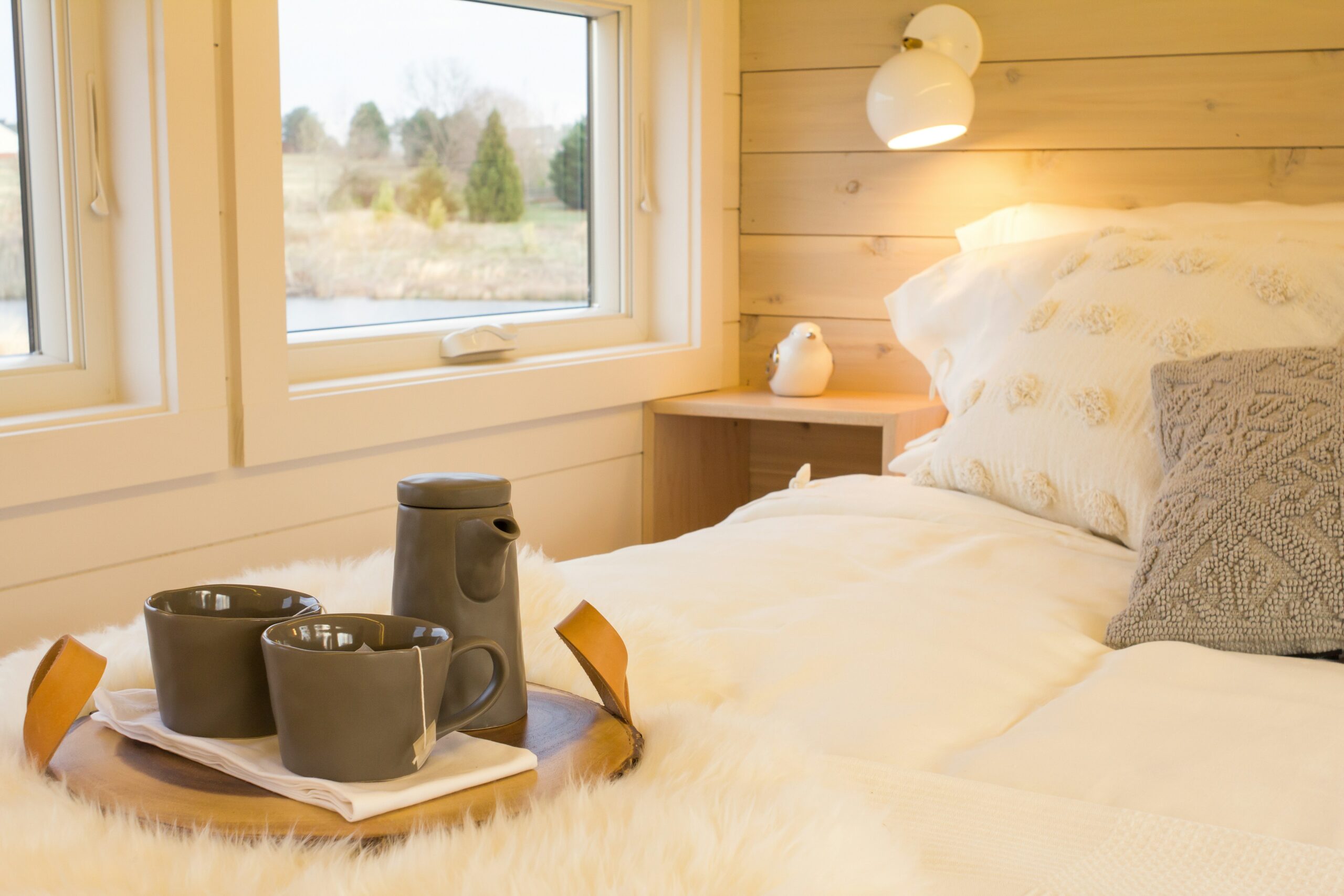
A peaceful nighttime ritual prepares your mind and body for rest, helping your sleep chronotypes adjust naturally. Start dimming the lights about an hour before bed, and avoid stimulating activities that keep your brain alert. Light a candle, play soft music, or take a warm bath to signal that it’s time to unwind.
When you follow a consistent, calming routine, your body begins to anticipate rest at the same time each night. Over time, this reinforces your internal clock and helps you drift off more easily, no matter how long the winter nights feel.
Taking Charge of Sleep Chronotypes
Winter’s shorter days don’t just change your schedule, they change your biology. When your sleep chronotypes drift later or become irregular, your mental health can take a hit before you even realize it. Understanding how your body’s rhythm responds to seasonal changes is the first step toward protecting your mood, focus, and overall well-being.
Taking action early can make all the difference. Simple shifts — like exposing yourself to morning sunlight, keeping a steady bedtime, and creating cozy evening routines — can help realign your internal clock. When you respect your natural rhythm, you’re more likely to sleep deeply, think clearly, and feel emotionally grounded through the darker months.
Don’t let winter take control of your energy or peace of mind. Learn more about your unique sleep chronotypes, track your patterns, and make small lifestyle tweaks that help you thrive. Start today and make this winter your most balanced and well-rested season yet.







 Dive into insightful articles on health and wellness, nutrition, fitness, mental serenity, and so much more.

