

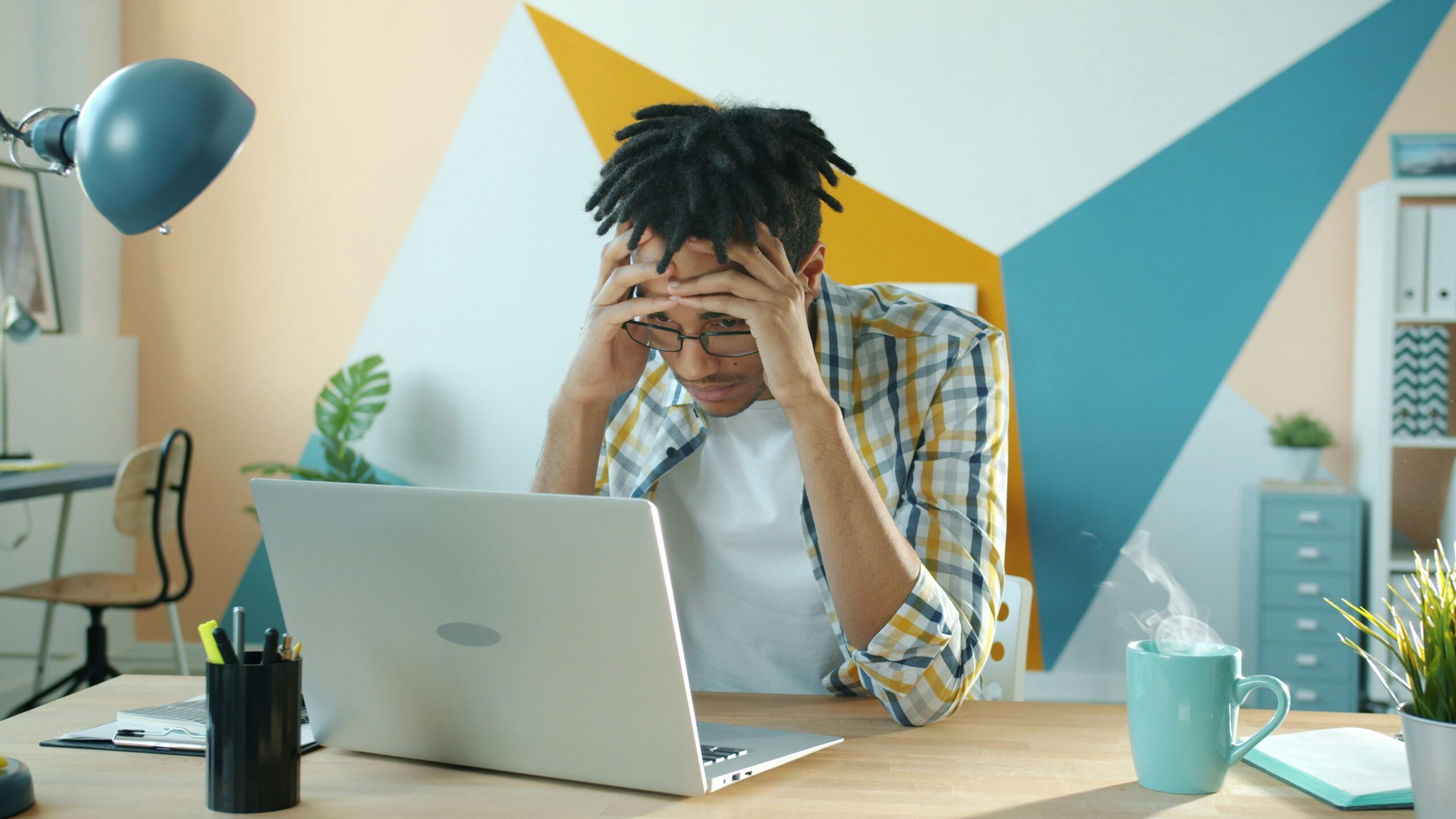
If your mind starts racing the moment your head hits the pillow, you’re not alone. Sleep anxiety is a growing issue that affects people of all ages and lifestyles. It refers to the fear or stress associated with the act of falling asleep or staying asleep, and it can severely impact your nightly rest and daily energy levels. Good sleep is essential, and having sleep anxiety can severely impact your day-to-day life.
Understanding sleep anxiety is the first step to regaining control over your sleep. From constant worry to restless nights, the effects can spill into every area of your life. Fortunately, there are practical and effective ways to reduce sleep anxiety and finally get the rest your body and mind need.
What Is Sleep Anxiety?

Sleep anxiety is a type of anxiety disorder that revolves around the fear or stress of going to sleep. People who experience sleep anxiety often struggle with racing thoughts, restlessness, or even panic attacks at bedtime. This can make it hard to fall asleep, stay asleep, or wake up feeling rested. Over time, the anxiety becomes a cycle—lack of sleep increases stress, and stress increases the struggle to sleep. Understanding the nature of sleep anxiety is the first step toward finding relief.
Common Causes of Sleep Anxiety
There are several factors that may lead to the development of sleep anxiety. These include chronic stress, past trauma, or even poor sleep habits developed over time. People with generalized anxiety disorder or those dealing with major life changes often experience increased anxiety around bedtime. In many cases, the fear of not being able to fall asleep becomes a self-fulfilling prophecy. Identifying what’s triggering your sleep anxiety can help you find the right strategies to manage it.
How Does Sleep Anxiety Impact Daily Life?

Sleep anxiety doesn’t just affect your nights—it can take a serious toll on how you function during the day. When your body and mind are deprived of quality rest, nearly every part of your daily routine is affected. Over time, the lack of sleep can lead to mental, physical, and emotional strain that’s hard to ignore. Understanding these effects can help you take sleep anxiety more seriously and prioritize strategies to manage it.
Here are some common ways sleep anxiety can interfere with your everyday life:
- Chronic fatigue: Without restful sleep, your body doesn’t get the chance to recover. This leads to constant tiredness that makes even simple tasks feel overwhelming.
- Lack of motivation to exercise: When you’re exhausted, the idea of working out can feel impossible. Over time, skipping physical activity can negatively affect both your mental and physical health.
- Irritability and mood swings: Sleep anxiety often leads to poor emotional regulation. You may find yourself more short-tempered, anxious, or overwhelmed than usual.
- Difficulty focusing at work or school: A tired brain struggles to stay focused and productive. Sleep anxiety can reduce your ability to concentrate, remember information, or make decisions.
- Weakened immune function: Poor sleep can compromise your immune system, making you more susceptible to colds, infections, and general illness.
- Increased dependence on caffeine: Many people try to combat fatigue with coffee or energy drinks, which can worsen sleep anxiety if consumed too late in the day.
- Social withdrawal: When you’re running on low energy and struggling emotionally, you may start avoiding social situations, which can increase feelings of isolation.
Signs You Might Be Struggling with Sleep Anxiety

Sleep anxiety doesn’t always show up in obvious ways. It can affect your body, mind, and behaviors, often subtly at first. Recognizing these early signs can help you take action before the cycle becomes harder to break:
- Racing heart or physical restlessness at bedtime: As your body prepares to sleep, you might instead feel your heart pounding or experience a wave of physical unease. This can make it difficult to relax or even lie still in bed.
- Muscle tension and shallow breathing: Anxiety often shows up in the body as tight shoulders, clenched jaw, or difficulty taking deep breaths. These physical responses can signal that your body is preparing for stress instead of sleep.
- Intrusive thoughts and mental overactivity: Your mind may start spinning with worry about the day ahead or replaying stressful situations from earlier. These racing thoughts are a hallmark of sleep anxiety and can prevent you from winding down.
- Fear of not being able to fall asleep: You might dread bedtime because of past experiences with insomnia. This fear can actually make it harder to fall asleep, reinforcing the cycle of anxiety and restlessness.
- Avoiding bedtime or delaying sleep: You may find yourself staying up later than planned, distracted by your phone, TV, or other tasks. This avoidance can be a subconscious response to the anxiety you associate with sleep.
- Overuse of screens or distractions in bed: Using your phone excessively at night can serve as a coping mechanism to escape anxious thoughts. Unfortunately, it also worsens sleep quality and makes falling asleep more difficult.
- Frequent waking during the night: Even if you fall asleep, you may wake up often due to heightened anxiety levels. This interrupted sleep can leave you feeling groggy and unrefreshed in the morning.
- Panic attacks or overwhelming fear at night: In severe cases, sleep anxiety can trigger panic attacks just as you’re trying to fall asleep. These episodes often involve intense fear, sweating, and the feeling of being out of control.
7 Ways to Fix Sleep Anxiety Naturally
1. Practice Deep Breathing
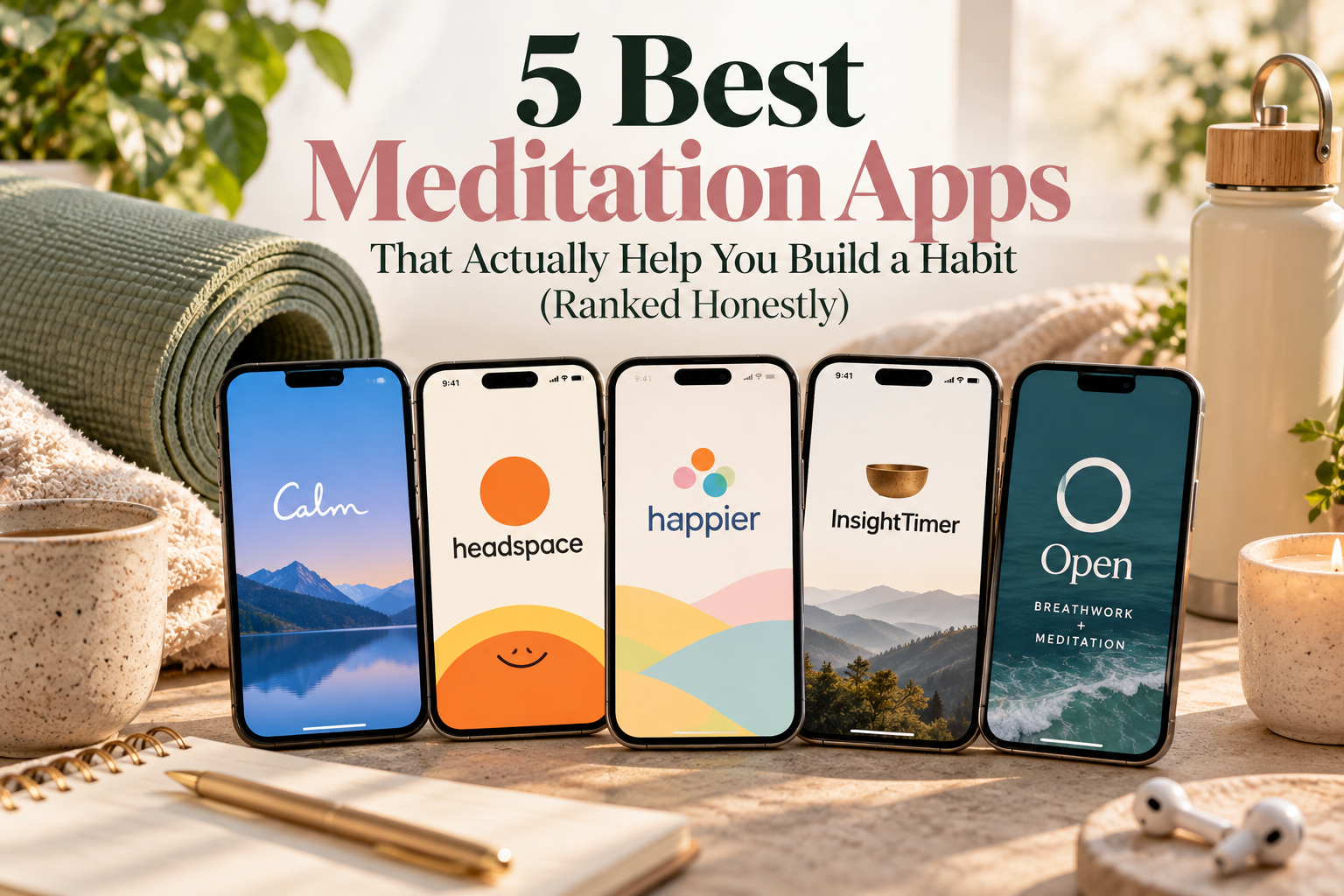
Controlled breathing helps calm the nervous system and reduce bedtime stress. Try inhaling deeply for four counts, holding for four, and exhaling for four. Doing this for just a few minutes can lower heart rate and ease tension. It’s a simple and effective tool to manage sleep anxiety without any equipment or medication. The Calm App guides you through a calming deep breathing routine.
2. Establish a Consistent Sleep Routine
Going to bed and waking up at the same time each day helps regulate your body’s internal clock. A predictable routine makes it easier for your mind and body to know when it’s time to wind down. Sleep anxiety often thrives on unpredictability, so consistency can be a powerful antidote. Create a calming ritual before bed that signals it’s time to rest.
3. Limit Screen Time Before Bed
Screens emit blue light, which interferes with melatonin production and makes it harder to fall asleep. Try turning off phones, tablets, and TVs at least an hour before bedtime. Instead, opt for relaxing activities like reading or listening to calming music. Reducing screen exposure can minimize stimulation and ease sleep anxiety symptoms.
4. Create a Sleep-Friendly Environment
Your bedroom should be a peaceful, clutter-free space that promotes rest. Keep the room cool, quiet, and dark, and invest in comfortable bedding. Reducing noise and light pollution can dramatically improve sleep quality. These small changes make a big difference for anyone experiencing sleep anxiety.
5. Avoid Stimulants in the Evening
Caffeine, nicotine, and even some types of alcohol can disrupt your ability to fall and stay asleep. Avoid consuming these in the hours leading up to bedtime. Pay attention to hidden sources of caffeine like chocolate or certain medications. Eliminating these triggers can help reduce sleep anxiety naturally.
6. Try Journaling Before Bed
Writing down your thoughts can help unload your mind and reduce racing thoughts. Spend a few minutes reflecting on your day, listing what went well, or noting anything that’s bothering you. This habit can provide a mental release and offer clarity. Journaling is a low-effort, high-impact tool for managing sleep anxiety.
7. Explore Natural Supplements
Some people find relief with melatonin, magnesium, or herbal teas like chamomile. While these may support better rest, it’s important to consult with a healthcare provider before starting any supplement. These remedies may offer short-term help while you work on the root causes of sleep anxiety. Use them as part of a larger wellness plan, not as a quick fix.
Taking Back Your Nights: How to Manage Sleep Anxiety for Good
You don’t have to accept restless nights as your norm. With the right tools and habits, managing sleep anxiety is possible and even simple. Whether you start with breathing exercises, a calming bedtime routine, or seeking professional support, the goal is to create a healthy relationship with sleep.
The key to overcoming sleep anxiety is consistency and awareness. Pay attention to your stress levels throughout the day and how they influence your nighttime patterns. By identifying your triggers and taking action, you can begin to shift your mindset and reduce sleep anxiety over time.




 Dive into insightful articles on health and wellness, nutrition, fitness, mental serenity, and so much more.

