

As the days get shorter and the temperatures drop, many people struggle with maintaining their health and energy. One nutrient that plays a huge role in keeping your immune system and mood balanced is Vitamin D. Unlike other vitamins, this one is often referred to as the sunshine vitamin because our bodies naturally produce it when exposed to sunlight.
In colder months, though, that sunlight is limited. This makes it much harder to get the amount of Vitamin D your body needs to function at its best. That’s why experts often recommend being mindful about how you maintain your levels during the fall and winter. Whether it’s through diet, supplements, or lifestyle changes, having a plan can make a difference in your overall well-being.
Understanding the importance of Vitamin D isn’t just about preventing deficiencies. It’s about supporting your immune health, keeping your bones strong, and protecting your mood during a season that’s often linked with low energy and seasonal blues. When you know how crucial this vitamin is, you’ll be better equipped to make healthier choices for yourself and your family.
The Science Behind Vitamin D and How It Works
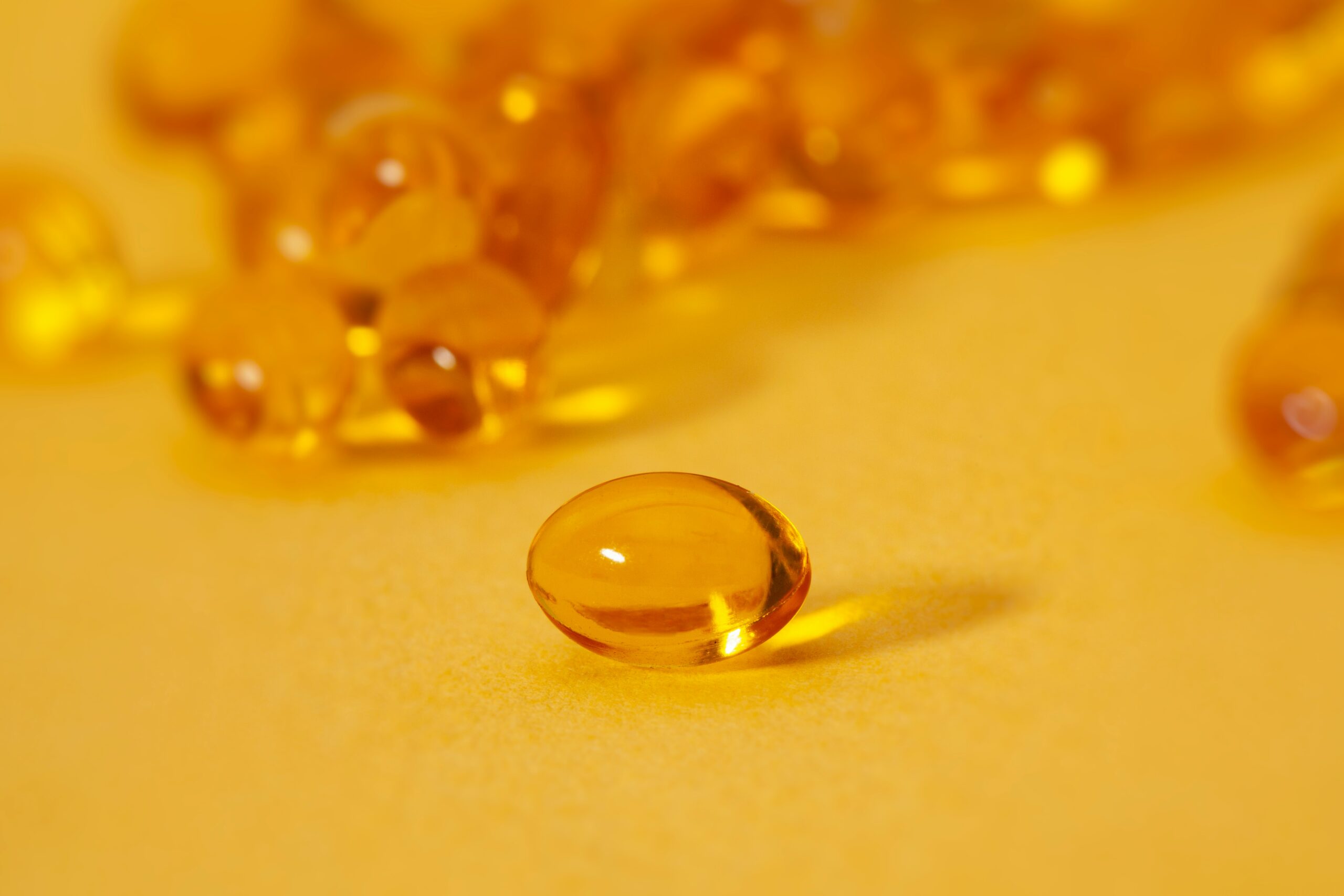
Vitamin D is unique compared to other vitamins because your body can produce it naturally. When your skin is exposed to UVB rays from the sun, it converts cholesterol into Vitamin D. This nutrient is then processed by the liver and kidneys into its active form, which helps regulate calcium and phosphorus absorption. Both are critical for maintaining strong bones, teeth, and overall skeletal health.
Beyond bone health, Vitamin D also plays a major role in regulating your immune system, supporting muscle function, and influencing mood. That’s why maintaining optimal levels is important for more than just avoiding deficiencies—it’s a key factor in keeping your body balanced and resilient.
Why Sunlight Alone Isn’t Enough in Winter
Many people assume a quick walk outside in the cold months will give them the Vitamin D they need. Unfortunately, that’s rarely the case. Several factors make it difficult to rely on sunlight alone in winter:
- Shorter days mean fewer hours of sunlight exposure.
- Weaker UVB rays during the winter months don’t provide enough intensity for the skin to make Vitamin D efficiently.
- Clothing layers keep most of your skin covered, reducing the surface area exposed to sunlight.
- Geographic location plays a big role, since areas farther from the equator get very little UVB light in colder seasons.
This is why many people turn to Vitamin D-rich foods and supplements to maintain proper levels when the sun isn’t enough.
Signs You Might Have Low Vitamin D Levels in the Cold Months
A Vitamin D deficiency can affect your health in subtle ways at first, but the signs can become more noticeable over time. Common indicators include:
- Feeling unusually tired or fatigued even with adequate sleep
- Frequent colds or infections due to weakened immunity
- Achy bones, back pain, or muscle weakness
- Low mood or seasonal blues
- Slow healing of cuts and wounds
If you notice several of these symptoms, it might be worth checking your Vitamin D levels with a simple blood test. Catching a deficiency early can help prevent more serious health issues down the road.
The Link Between Vitamin D and Immune System Strength
Vitamin D is often called a frontline defender for your immune system. It supports the production of antimicrobial peptides, which are natural substances that help fight bacteria and viruses. It also enhances the function of white blood cells, your body’s main defense team against infection.
During colder months, colds and flu are more common, making Vitamin D even more valuable. When your levels are adequate, your immune system is better equipped to fight off seasonal illnesses. In contrast, low levels of Vitamin D have been linked to increased susceptibility to respiratory infections. Maintaining healthy levels is a proactive step toward keeping your immune defenses strong.
How Vitamin D Supports Mental Health in Cold Weather

The colder months are often associated with seasonal affective disorder and feelings of low energy. Vitamin D has been shown to play a role in mood regulation by influencing neurotransmitters such as serotonin. Adequate levels may help reduce the risk of mood fluctuations and support overall mental well-being.
Research suggests that people with low levels are more prone to experiencing depressive symptoms, especially during times of limited sunlight. That’s why staying mindful of your intake can be an important part of supporting both physical and mental health when the days get shorter and darker.
Vitamin D Supplements to Take
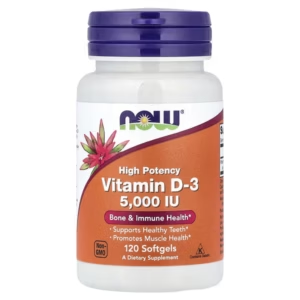
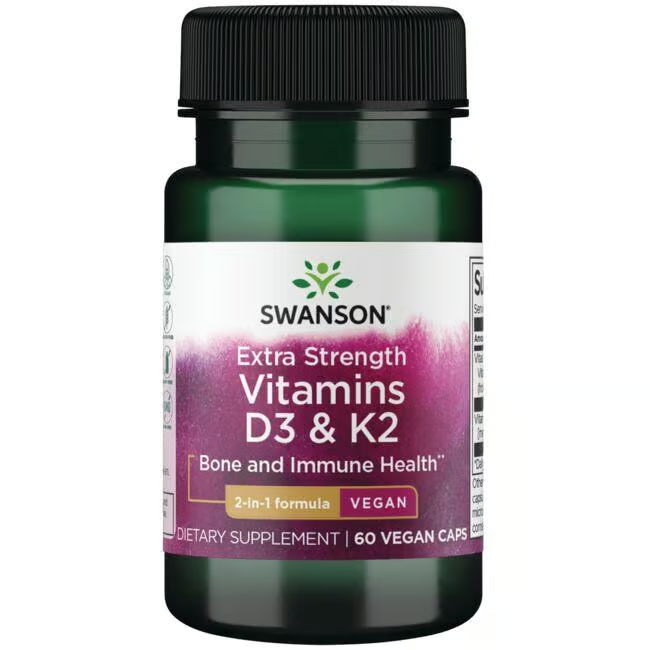
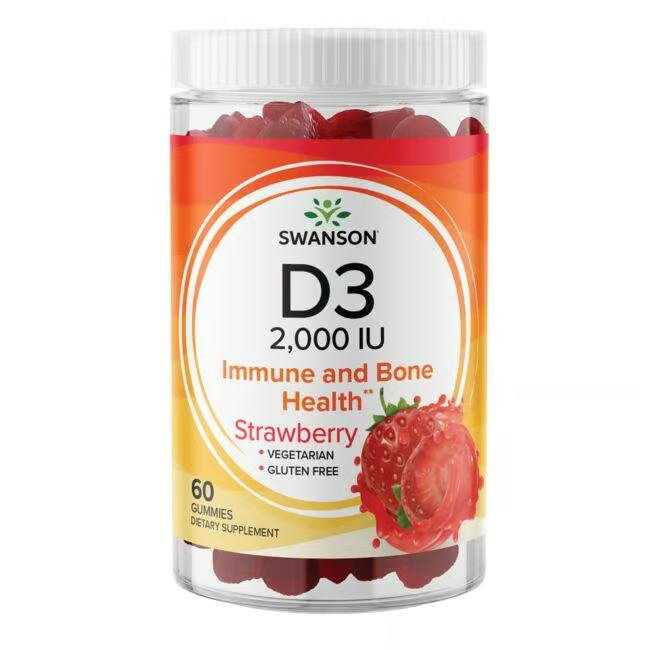
These are some options for supplements to add to your daily routine:
- NOW Foods High Potency Vitamin D-3
- Vitamin D3 Strawberry Gummies
- Organic Liquid Vitamin D3
- Extra Strength D3 & K2
Foods That Are Naturally Rich in Vitamin D
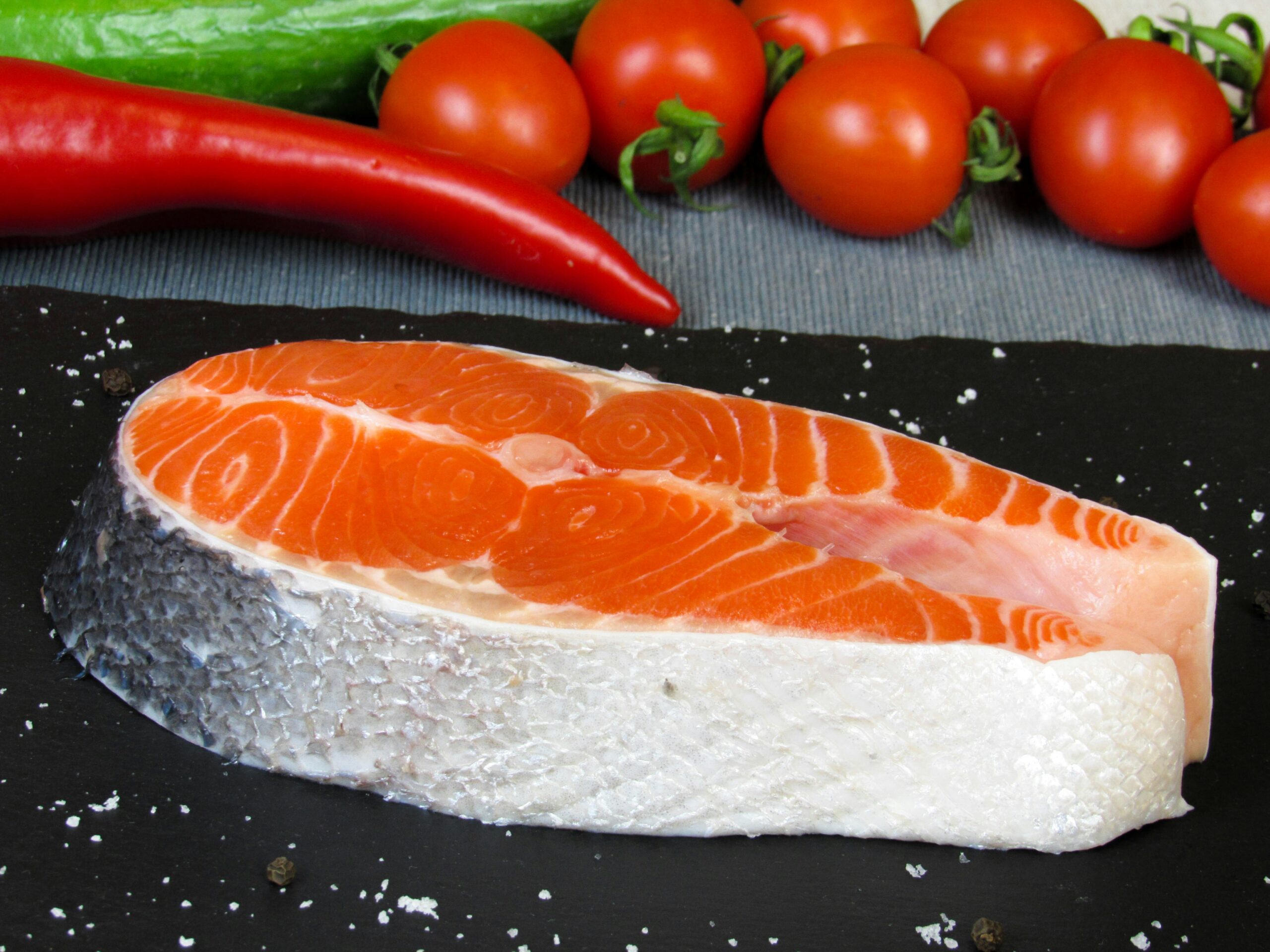
If you’re not getting enough sunlight, adding Vitamin D-rich foods to your diet is a simple and effective way to help maintain healthy levels. Some great options include:
- Fatty fish such as salmon, tuna, and mackerel
- Cod liver oil, one of the richest natural sources
- Egg yolks, which provide small but meaningful amounts
- Beef liver, though not commonly eaten, is nutrient-dense
- Fortified foods like milk, cereal, and orange juice
Combining these foods with regular exposure to sunlight, when possible, can help ensure your body gets the vitamins it needs.
5 Lifestyle Strategies to Maintain Healthy Vitamin D Levels
Staying on top of your Vitamin D intake doesn’t have to be complicated. Here are a few practical strategies you can try:
- Prioritize outdoor time when the sun is shining, even if it’s just for 15 to 20 minutes a few times a week.
- Incorporate rich foods into your regular meal planning to naturally boost your intake.
- Consider supplements if you live in an area with long winters or limited sunlight exposure. Always check with a healthcare professional first.
- Stay active outdoors when possible. Activities like walking or winter sports help you get fresh air and sunlight at the same time.
- Schedule regular checkups and request a blood test if you’re concerned about low levels.
These habits not only support your levels but also contribute to a healthier lifestyle overall.
Why Prioritizing Vitamin D in the Cold Months Matters

When the cold weather months roll in, it’s easy to focus on cozy sweaters, hot drinks, and indoor activities. Don’t forget that it is a crucial part of staying healthy for men, women, and children alike. By making sure you get enough, you’re giving your body what it needs to fight infections, keep your bones strong, and help balance your mood.
Vitamin D is more than just another nutrient on the list. It’s an essential part of maintaining health when sunlight is scarce and energy is low. So whether you’re getting it from food, supplements, or short bursts of sunshine, make sure you’re giving your body the support it needs. With this vitamin in your routine, you’ll feel stronger, more balanced, and better prepared to enjoy the season.





 Dive into insightful articles on health and wellness, nutrition, fitness, mental serenity, and so much more.

