
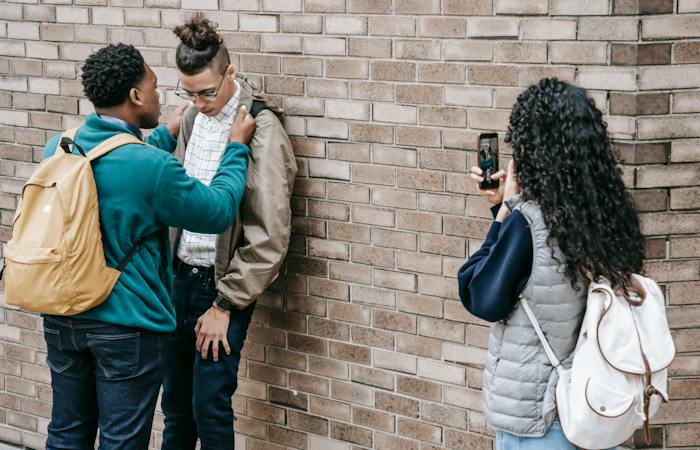
While it’s natural for kids to assert themselves and occasionally have conflicts with their peers, there are instances where certain behaviors may indicate a deeper issue. If you’ve started hearing stories in which your child might be at fault, you need to know whether they need help. So, knowing the signs your child is a bully is crucial, as is having a plan for what to do.
Signs Your Child Is a Bully
Patterns of Aggression

Keep a keen eye on their behavior and pay attention to any warning signals that may be present. One common indicator is a pattern of aggression, whether physical or verbal, towards other children. This aggression could manifest as name-calling, teasing, or even physical altercations.
This is especially concerning if the child expresses increasing aggression. Teaching the child calming techniques and how to redirect their energy into something less violent (such as going for a walk) proves helpful.
A Lack of Empathy
Another red flag is a lack of empathy. Empathy is a fundamental aspect of healthy social development. So, a child’s inability to understand or care about the feelings of others may indicate a potential issue.
Frequent Detentions
If your child constantly finds themselves in detention or other forms of trouble at school, they might be bullying others. When you become aware of their detentions, inquire into the reasons for it. Recruit the school counselor to help you out if they’re bullying their peers.
Social Isolation and Bullying

While it might seem counterintuitive, some bullies struggle with forming positive connections with their peers. This isolation can stem from feelings of inadequacy, insecurity, or a desire for control. If you notice your child is consistently excluded from group activities or struggles to maintain friendships, it’s essential to investigate the underlying causes and address them promptly.
Cerebral‘s holistic approach encompasses therapy, medication management, and ongoing support, fostering a comprehensive and effective strategy for mental health. Prioritize your child’s emotional well-being with Cerebral, and embark on a journey toward a healthier, happier future.
Having Unexplained Amounts of Money
Some children bully others to steal their lunch money. So, if your child comes back with more money than when they left for school, you might want to ask how they got it.
Not Taking Responsibility for Their Actions
Part of growing up and becoming mature involves taking responsibility for your actions. However, some children constantly shift the blame onto other people. For example, a child who bullies might say the person being bullied did something to deserve it.
How to Help Your Child
Open Communication and Building Empathy

Once you’ve identified signs that your child might be a bully, it’s crucial to foster open communication. Create a safe space for your child to express their feelings and concerns without fear of judgment. Encourage them to talk about their experiences at school, with friends, and any challenges they may be facing.
Seek Professional Help

In some cases, addressing bullying behavior may require professional intervention. If your child’s bullying tendencies persist despite your efforts, consider seeking guidance from a school counselor, psychologist, or therapist.
In the quest for nurturing your child’s mental and emotional well-being, seeking professional help can be a transformative step. Talkspace, a leading online therapy platform, offers a convenient and accessible solution for parents navigating the challenges of parenting, including addressing concerns about potential bullying behaviors.
Implement Consequences and Set Boundaries

Make sure to clearly communicate the expectations for their behavior and the consequences of bullying. Consistency is key, and enforcing these boundaries will help your child understand the gravity of their actions.
Teach Them to Apologize
Encourage your child to make amends by apologizing and taking steps to repair any harm they’ve caused. Teach them the importance of personal responsibility and accountability for their actions. By doing so, you contribute to their growth and development as individuals who understand the impact of their behavior on others.
If needed, don’t hesitate to seek professional help and implement consequences to ensure your child understands the importance of kindness, respect, and empathy. In doing so, you play an active role in creating a positive and inclusive environment for your child and those around them.







 Dive into insightful articles on health and wellness, nutrition, fitness, mental serenity, and so much more.

