

Personal growth rarely happens overnight. Real change usually comes from small decisions repeated every day, which is exactly why self improvement habits done right matter so very much. When these habits become automatic for you, they remove the pressure of constant motivation and make progress actually happen.
Psychologists have studied human behavior for decades, and their research consistently shows that the right self improvement habits can reshape your thinking patterns, emotional resilience, and even long term life satisfaction. These habits aren’t necessarily complicated systems or rigid routines, but simple, strategic actions that gradually rewire your brain through repetition.
Luckily, pretty much anyone can build self improvement habits that create lasting change. With the right approach, small behavioral shifts can compound into greater confidence, stronger discipline, and clearer direction. Understanding which self improvement habits are supported by psychology can help you focus your energy on the practices that actually make a difference. Here are a few of our favorites.
7 Self Improvement Habits Backed by Psychology
1. Practice Daily Reflection

Daily reflection is one of the most effective self improvement habits because it strengthens self awareness. Psychology research consistently shows that people who regularly evaluate their thoughts and actions develop better emotional regulation and decision making skills. Taking a few minutes each day to review what went well and what could improve helps the brain recognize patterns.
Self improvement habits like reflection also reinforce learning. Writing down insights or mentally reviewing the day allows experiences to become useful feedback rather than forgotten moments. Something like keeping a gratitude journal is a good idea, too. Many people assume self improvement habits require complicated routines, but reflection can be extremely simple. A notebook, a quiet moment, or even a few minutes before bed can create the space needed!
2. Set Small, Achievable Goals

Breaking large ambitions into smaller steps is one of the most reliable self improvement habits supported by behavioral psychology. When smaller goals, called “subgoals” per the Scientific American, feel achievable, the brain experiences small bursts of accomplishment that reinforce your motivation.
Psychologists often refer to this as the progress principle. Each completed step signals success to the brain, which increases the likelihood of continuing the behavior. Self improvement habits built around small wins create momentum rather than frustration. Instead of setting one overwhelming objective, consider dividing goals into manageable pieces such as:
• Completing one focused task each morning
• Reading ten pages of a book every day
• Taking a short walk after lunch
• Writing a few sentences in a journal before bed
3. Use Habit Stacking
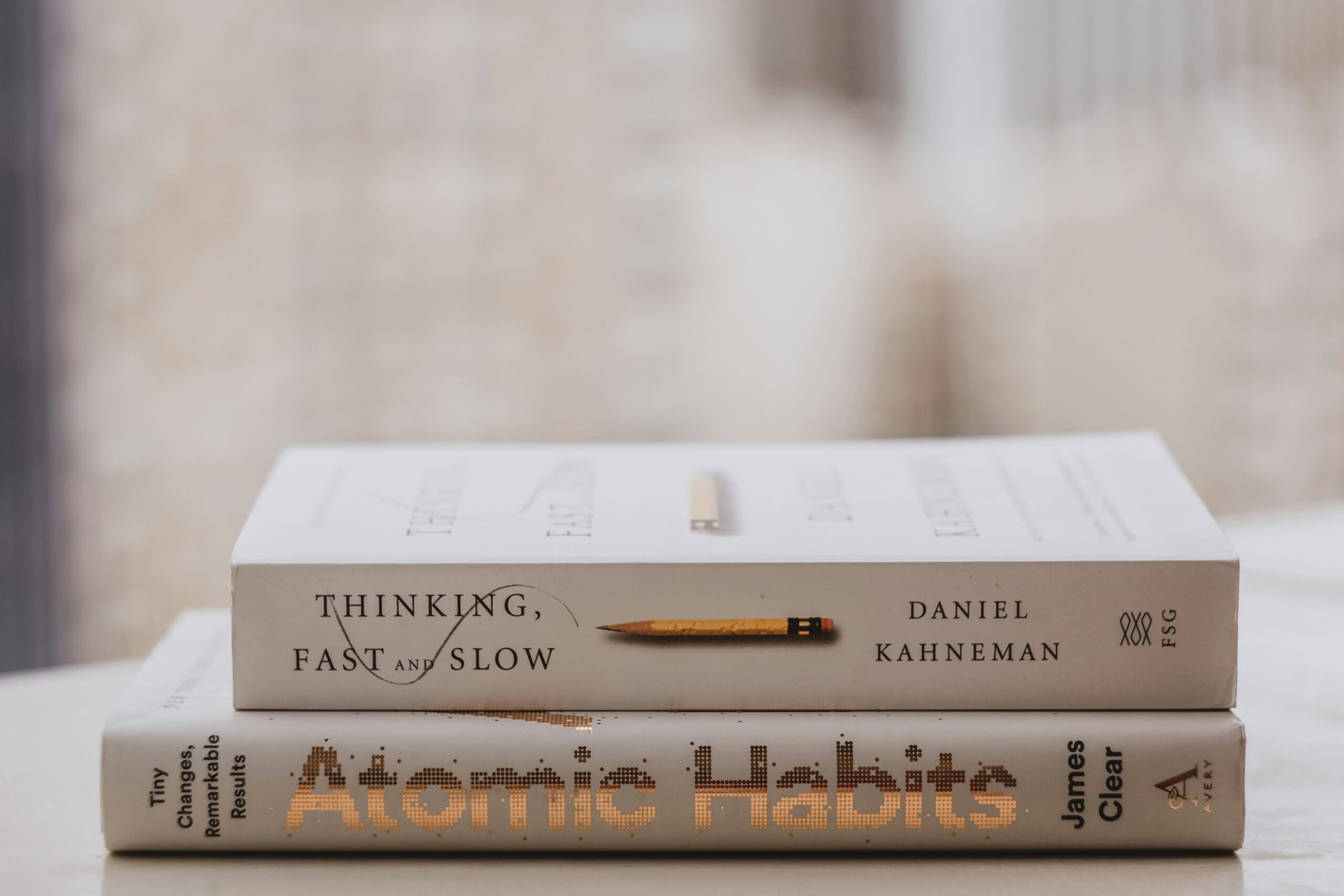
Habit stacking is one of the most powerful self improvement habits because it links new behaviors to existing routines. Habit stacking, which the Cleveland Clinic calls a “trick for creating new habits,” is one of our favorite ways to build a new habit. Psychology research shows that habits form more easily when they are attached to something the brain already recognizes as familiar.
This technique works by pairing a new action with a current routine. Brushing your teeth might become the cue for reviewing goals, or making coffee could become the signal for reading a few pages of a book. Self improvement habits become easier to maintain when they are anchored to actions that already happen every day. The brain loves patterns and predictability. Habit stacking allows self improvement habits to slide naturally into daily life instead of feeling like extra work. Over time, these stacked behaviors become automatic parts of the routine.
4. Focus on Environment Design

Environment plays a larger role in behavior than most people realize. Many self improvement habits succeed or fail based on what the surrounding environment encourages. Psychologists often emphasize that behavior is shaped by cues. A cluttered workspace may increase distraction, while a well organized desk promotes focus. Self improvement habits become easier when the environment supports the desired behavior rather than working against it. These small changes quietly guide behavior without requiring constant willpower.
5. Practice Gratitude Regularly
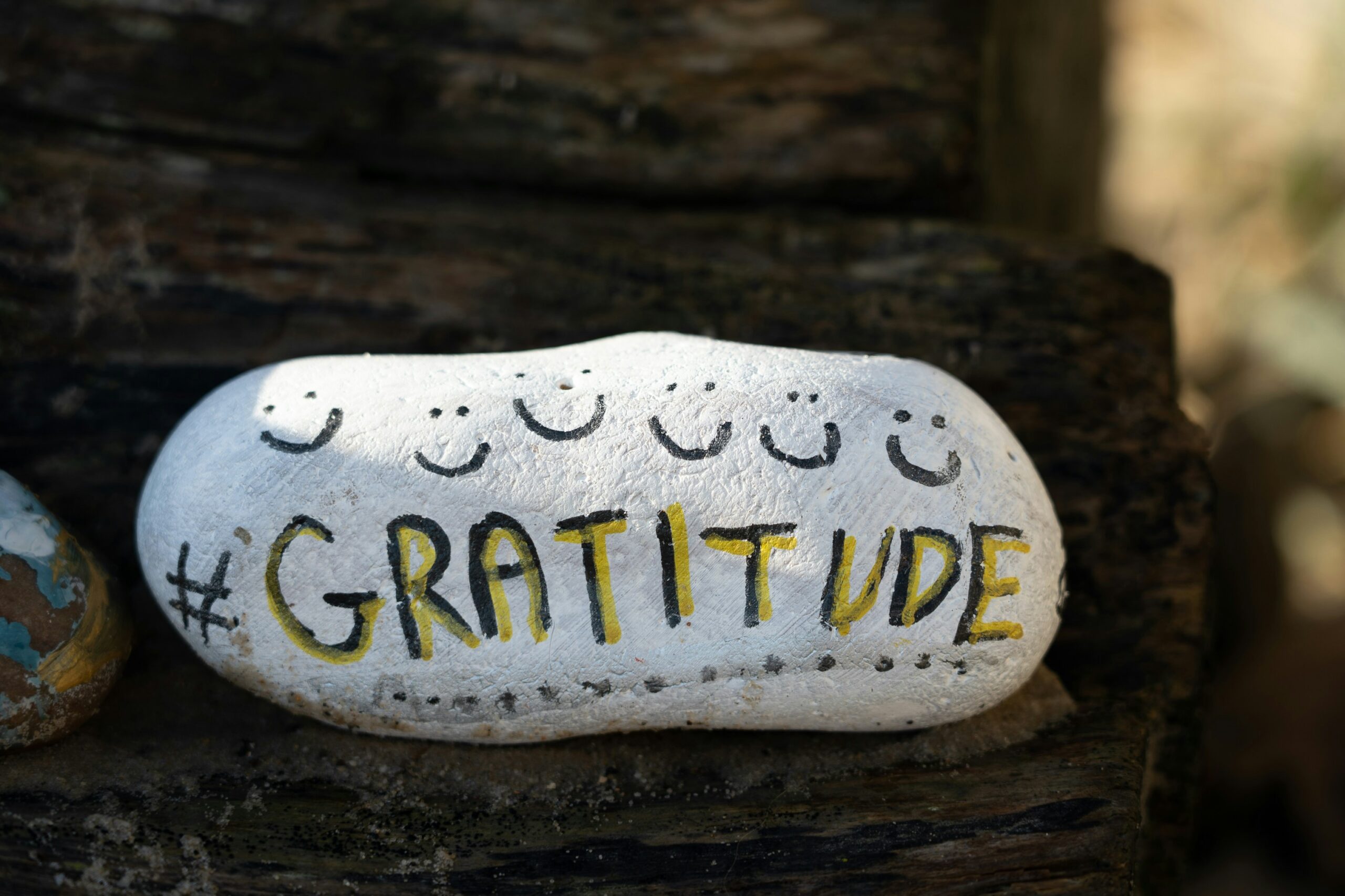
Gratitude is one of the most studied self improvement habits in positive psychology. Research shows that people who practice gratitude consistently experience improved mood, stronger relationships, and greater overall life satisfaction.
Self improvement habits centered around gratitude shift attention away from constant comparison and toward appreciation. The brain gradually becomes more sensitive to positive experiences rather than focusing only on stress or problems.
A short gratitude routine might include writing down three things that went well during the day or mentally acknowledging small moments of joy. Over time, self improvement habits like gratitude reshape perspective and emotional resilience.
Related: 7 Powerful Ways Practicing Gratitude Can Transform Your Fall and Winter
6. Prioritize Deep Focus

In a world filled with constant notifications and digital distractions, deep focus has become one of the most valuable self improvement habits. Psychology research shows that sustained concentration improves productivity, creativity, and long term satisfaction with work.
Self improvement habits that protect focused time allow the brain to enter a state of deeper cognitive engagement. During this state, tasks feel more meaningful and progress becomes more noticeable.
Many people strengthen this habit by setting boundaries around distractions. Turning off notifications, working in timed intervals, or scheduling uninterrupted work blocks can dramatically improve concentration. Self improvement habits that support deep focus create space for meaningful progress instead of scattered effort.
7. Strengthen Self Compassion

Self compassion may sound simple, yet it is one of the most transformative self improvement habits supported by psychology. Research shows that people who treat themselves with understanding rather than harsh criticism recover from setbacks more quickly.
Self improvement habits grounded in self compassion encourage learning instead of shame. When mistakes are viewed as opportunities to grow, people remain motivated rather than discouraged.
Practicing self compassion might involve reframing negative self talk, acknowledging effort instead of demanding perfection, or speaking to yourself the same way you would encourage a close friend. Self improvement habits built on kindness create a healthier internal dialogue that supports long term growth.
Related: Micro Habits for Anxiety Relief That Actually Work
Get Started With Self Improvement Habits Today

Real personal growth doesn’t always comes from dramatic life changes, but with small, consistent actions repeated day after day. Self improvement habits backed by psychology offer a practical way to build those actions into daily life without relying on bursts of motivation.
The most powerful part of self improvement habits is their compounding effect. A few minutes of reflection, a small goal completed, or a moment of gratitude may seem minor on its own. Over weeks and months, however, these behaviors reshape how you think, react, and move through challenges.
The best time to start building self improvement habits is today. Small changes made now can create stronger confidence, better focus, and a deeper sense of purpose over time. Choose one or two self improvement habits to begin with, stay consistent, and watch how gradually your mindset and results begin to shift.
Read Next: How to Calm the Sunday Scaries Using Science Backed Methods






 Dive into insightful articles on health and wellness, nutrition, fitness, mental serenity, and so much more.

