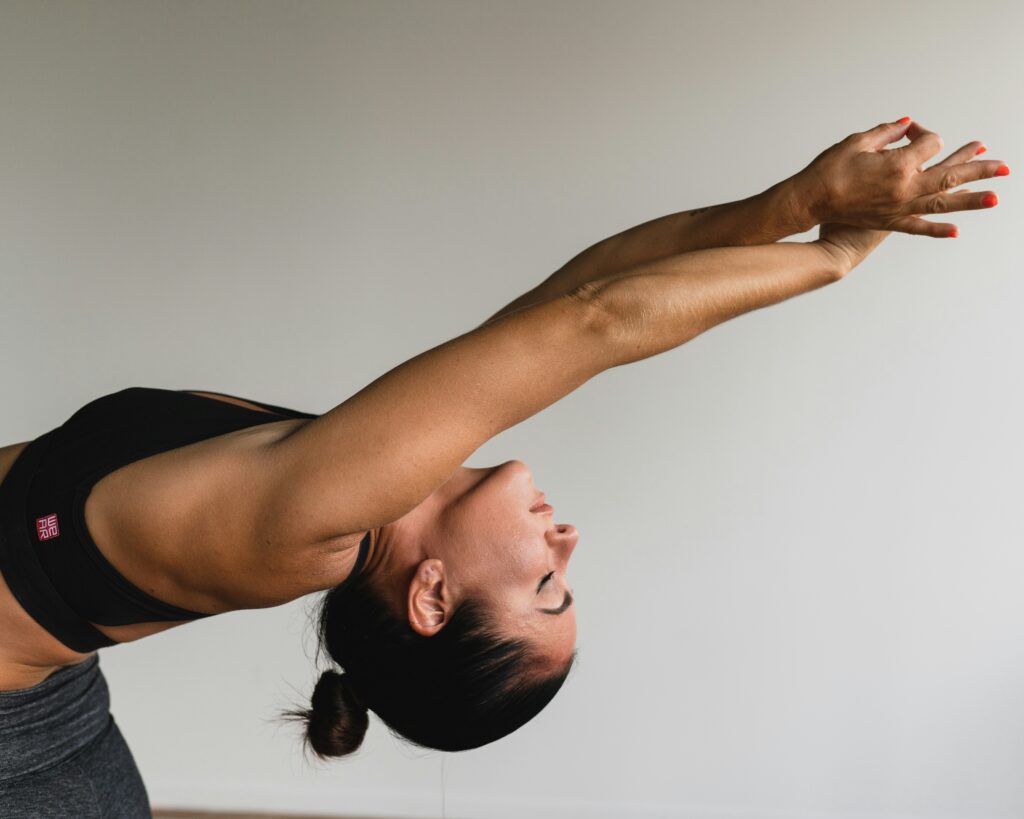

Finishing a run can make stretching feel like the easiest part of your workout to skip, especially when you’re tired, hungry, or ready to get on with your day. If you’ve ever wondered what happens if you don’t stretch after running, skipping one stretching session isn’t likely to undo your progress or suddenly cause an injury. You may notice that your legs feel tight or stiff afterward, though, particularly following a harder or longer run.
Stretching after running can be a useful way to work on flexibility and give your body a gradual transition from exercise to rest. Your calves, hamstrings, quadriceps, hips, and glutes have all been working while you run, and gentle stretches can target areas that feel especially tight. Understanding what happens if you don’t stretch after running also means separating common assumptions from what stretching can realistically accomplish, since stretching alone isn’t a guarantee against soreness or running injuries.
Your recovery routine doesn’t need to become another workout. A few intentional stretches, some light movement, hydration, adequate nutrition, and enough rest can all have a place in how you feel after logging your miles. We’ll break down what happens if you don’t stretch after running, whether stretching actually prevents soreness, which muscles runners may want to focus on, and what you can do if you’ve already skipped your usual routine.

Do You Really Need to Stretch After Running?

You don’t have to stretch after every run for the workout to count or for your body to recover properly. Post run stretching is primarily useful for maintaining or improving flexibility and range of motion, particularly when certain muscles tend to feel tight after running. If you’re wondering what happens if you don’t stretch after running, missing an occasional session generally isn’t something to worry about.
Stretching also isn’t a guaranteed way to prevent running injuries or eliminate soreness. A large systematic review found that post exercise stretching didn’t produce clinically important reductions in muscle soreness during the days following exercise. Your overall recovery habits, training load, sleep, nutrition, and conditioning matter too. Understanding what happens if you don’t stretch after running can help take some of the pressure off the idea that every run must end with a lengthy stretching routine.
Is It Bad Not to Stretch After Running?
No, skipping stretching after a run isn’t automatically bad for you. Stretching can improve flexibility when practiced consistently, but forgetting to stretch after one workout doesn’t mean you’ve damaged your muscles or significantly increased your injury risk.
The bigger consideration is your individual mobility and how your body feels. If running regularly leaves certain areas feeling tight or you want to improve flexibility, adding gentle stretching to your routine may be worthwhile. Persistent or worsening pain is different from ordinary tightness and shouldn’t simply be stretched through.
What Does Stretching After Running Actually Do?
Static stretching after a run mainly gives you an opportunity to work on flexibility while your muscles are already warm. Regular stretching can increase range of motion, which may be useful if limited flexibility is affecting your movement or if improving flexibility is one of your fitness goals.
What stretching doesn’t reliably do is erase the physical effects of a hard workout. Research hasn’t shown meaningful reductions in delayed muscle soreness from stretching before or after exercise, so waking up sore the next morning doesn’t necessarily mean you failed to stretch enough.
What Happens If You Don’t Stretch After Running?

If you want to know what happens if you don’t stretch after running, the short answer is usually nothing dramatic. You may feel tight after a run, and consistently skipping flexibility work means you aren’t getting the range of motion benefits that regular stretching can provide. However, missing your post run stretches doesn’t automatically mean you’ll become injured or wake up extremely sore.
What happens if you don’t stretch after running also depends on the individual. One runner may naturally have plenty of mobility and rarely feel tight, while another may enjoy incorporating stretching because their calves, hips, or hamstrings tend to feel restricted after training.
You May Notice More Muscle Tightness
Your legs can feel tight or stiff after running, particularly after increasing your distance, pace, hills, or overall training intensity. Gentle stretching may feel comfortable when certain areas are tight, although that doesn’t mean skipping a stretch caused the sensation in the first place. Give your body time to cool down and pay attention to the difference between ordinary tightness and actual pain. Sharp, persistent, or worsening pain deserves more attention than simply holding a deeper stretch.
Your Flexibility May Not Improve
Regular static stretching can increase flexibility and range of motion over time. If stretching is the main flexibility work in your routine and you consistently skip it, you may miss those potential improvements.
Your Range of Motion Can Feel Limited
Tired or tight muscles can sometimes leave movement feeling less comfortable immediately after a demanding run. Regular flexibility training can improve joint range of motion, but stretching after one individual workout shouldn’t be viewed as an instant fix. If restricted movement happens frequently, look at the larger picture. Training volume, strength, mobility, previous injuries, and recovery can all play a role in how your body feels while running.
You Might Miss an Opportunity to Address Tight Areas
A few quiet minutes after running can make it easier to notice which areas consistently feel tight. Maybe your calves always feel particularly worked after hills, or your hips feel stiff following longer distances. That information can help you make your recovery routine more individual rather than automatically performing the same stretches after every run. Stretching can be one tool for working on flexibility, but it doesn’t need to become a mandatory ritual you feel guilty about missing.
Does Stretching After Running Prevent Soreness?

Stretching after running doesn’t appear to meaningfully prevent delayed muscle soreness. A systematic review examining stretching before or after exercise found that stretching produced little or no clinically important reduction in soreness during the days following exercise.
That’s an important distinction when discussing what happens if you don’t stretch after running. Feeling sore the next day doesn’t prove that you should’ve stretched, and stretching after every run doesn’t guarantee that soreness won’t happen. If you’ve recently run farther, faster, or harder than your body is accustomed to, you may still feel the effects afterward.
Why Are Your Legs Sore After Running?
Soreness can occur when your muscles are exposed to exercise they’re not accustomed to, particularly after a change in training intensity or duration. Delayed onset muscle soreness typically develops after unfamiliar or strenuous exercise rather than simply because someone forgot to stretch.
Hills, speed workouts, longer distances, and returning to running after time away can all introduce a new challenge. Gradually progressing your training gives your body time to adapt rather than expecting stretching alone to manage the consequences of sudden increases.
Does Stretching Reduce Delayed Muscle Soreness?
Not by very much. Evidence examining stretching before or after exercise hasn’t found a clinically meaningful reduction in delayed muscle soreness.
Stretch because you enjoy how it feels or because flexibility is part of your fitness goals, rather than treating soreness as proof that you didn’t stretch enough.
What Actually Helps With Recovery After Running?
Recovery is bigger than the few minutes immediately following a run. Your body also needs adequate rest, hydration, nutrition, and enough time to adapt to your training.
A gentle cooldown can help you transition out of harder exercise, while consistently managing your training volume may help prevent you from repeatedly asking your body to do more than it’s prepared for. If pain feels unusual, severe, or doesn’t improve as expected, don’t assume stretching is the solution.
Should You Stretch Before or After Running?

You can incorporate stretching and mobility work both before and after running, but the purpose isn’t necessarily the same. Before a run, the focus is generally on preparing your body to move. Afterward, static stretching can be used when you want to work on flexibility or simply enjoy stretching while your muscles are warm.
When you’re researching what happens if you don’t stretch after running, it’s also worth distinguishing post run static stretching from a proper warmup. Skipping a few static stretches afterward isn’t the same thing as starting a demanding workout without giving your body a chance to prepare for exercise.
Dynamic Stretching Before Running
Dynamic stretches involve moving through a range of motion rather than holding one position. Leg swings, walking lunges, controlled knee raises, and similar movements can fit naturally into a running warmup because they get your body moving before you ask it to run.
Your warmup can also include several minutes of easy walking or jogging before you increase your pace. The goal is to prepare for the activity you’re about to perform rather than trying to achieve maximum flexibility before your first mile.
Static Stretching After Running
Static stretching involves moving into a comfortable position and holding it for a period of time. After running, you might use static stretches for areas such as the calves, quadriceps, hamstrings, glutes, or hips.
Keep the intensity comfortable. Stretching harder isn’t automatically more effective, and a post run stretch shouldn’t cause sharp pain.
Is It Okay to Stretch Cold Muscles?
It’s generally more comfortable to do static flexibility work once your body has had some movement rather than beginning with deep stretches when you’re completely cold. If you want to stretch before running, start with easy movement first or favor dynamic movements that resemble what your body is about to do. This is another reason stretching after running can fit naturally into a routine. Your body has already been moving, and you can spend a few minutes working on flexibility before continuing with the rest of your day.
Related: Helpful Tips to Start Running After 40 Safely
What Muscles Should You Stretch After Running?
If you like stretching after a run, focus on the muscles that did much of the work rather than trying to stretch your entire body. The calves, hamstrings, quadriceps, hip flexors, and glutes are practical places to start. Stretching these areas can support flexibility and range of motion, particularly when it’s done consistently over time.
Understanding what happens if you don’t stretch after running can also keep this routine in perspective. You don’t need to complete every stretch after every workout, and skipping them doesn’t automatically lead to soreness or injury. If you’re wondering what happens if you don’t stretch after running because your legs feel tight, a few gentle stretches may feel good, but they shouldn’t be used to push through actual pain.
Calf Stretches for Runners
Stand facing a wall and place both hands against it. Step one foot behind you, keep that heel on the floor, and gently lean forward until you feel a stretch through the back of your lower leg. Keep the back knee straight, then switch sides.
For a slightly different stretch, bend the back knee while keeping your heel down. This shifts the emphasis lower into the calf.
Hamstring Stretches for Runners
Place one heel on a low, stable surface with your leg comfortably extended. Keep your back relatively straight and hinge forward gently from your hips until you feel tension along the back of your thigh.
There’s no need to reach for your toes. Stop when you feel a comfortable stretch rather than forcing yourself farther.
Quadriceps Stretches for Runners
Stand beside a wall or sturdy surface for balance. Bend one knee, bring your heel toward your glutes, and hold your ankle or foot behind you.
Keep your knees relatively close together and your torso upright. You should feel the stretch through the front of your thigh rather than pulling aggressively on your knee.
Hip Flexor Stretches for Runners
Move into a kneeling position with one knee on the ground and the opposite foot planted in front of you. Keeping your torso upright, gently shift your hips forward until you feel a stretch at the front of the hip on the kneeling side.
Avoid dramatically arching your lower back to move farther. A small, controlled shift can be enough.
Glute Stretches for Runners
Lie on your back with both knees bent. Cross one ankle over the opposite thigh, then gently draw the uncrossed leg toward your chest until you feel a stretch through your glute.
Keep your head and shoulders relaxed against the floor. Repeat on the opposite side, and stop if the position causes pain rather than comfortable tension.
How Long Should You Stretch After Running?

You don’t need a lengthy stretching session after every run. If you’re doing static stretches for flexibility, holding an individual stretch for about 10 to 30 seconds is a common recommendation for healthy adults, with the total amount of flexibility work accumulated through repeated stretches. Older adults may benefit from longer holds. Stretching should create mild tension without becoming painful.
Your entire routine might take only a few minutes if you’re focusing on the muscles that feel like they need attention that day. Consistency matters more for flexibility than turning one post run session into an endurance event. If you’re researching what happens if you don’t stretch after running, remember that there isn’t a specific number of stretching minutes you must complete to make your run safe or worthwhile.
You also don’t need to compensate for a shorter stretching session by pushing deeper into each position. If what happens if you don’t stretch after running is your main concern, the more useful takeaway is that post run stretching is optional flexibility work rather than an emergency recovery requirement. Move slowly, breathe normally, and stop if a stretch becomes painful.
Related: What Are the Best Running Shoes for Calf Pain?
What If You Forgot to Stretch After Running?
If you forgot to stretch after running, you don’t need to do anything drastic. Missing one stretching session won’t suddenly damage your muscles, erase the benefits of your workout, or mean that you need to perform an extra intense routine later. When people ask what happens if you don’t stretch after running, this is one of the most important points to remember.
You can stretch later in the day if you’d like, although it’s a good idea to move around and warm up first if you’ve been sitting for several hours. Gentle walking followed by comfortable static stretching is plenty. You can also simply resume your usual routine after your next run.
Don’t treat soreness the following morning as proof that skipping your stretches caused it. Post exercise stretching hasn’t been shown to meaningfully prevent delayed muscle soreness, and harder or unfamiliar exercise itself can leave muscles sore afterward. Understanding what happens if you don’t stretch after running should make a forgotten session feel much less consequential. Focus on your broader recovery habits, including appropriate rest, hydration, nutrition, and sensible training progression, rather than trying to make up for a stretch you missed.
Plan Your Stretching Routine After Your Next Run — Your Future Self Will be Grateful

Don’t panic if you’ve already showered, changed, and realized stretching never happened. Missing a session doesn’t mean you’ve damaged your muscles or ruined your recovery, and you don’t need to compensate with an aggressive stretching routine later. Knowing what happens if you don’t stretch after running can help you focus on realistic benefits, such as maintaining or improving flexibility, rather than treating stretching as something that guarantees you’ll never feel sore or get injured.
Pay attention to how your body feels after different types of runs. A gentle stretching routine may feel particularly welcome after a long run or a workout that leaves certain muscles feeling tight, while walking for a few minutes can also give your body time to transition out of exercise. If you’re experiencing persistent pain rather than ordinary temporary tightness, stretching harder isn’t necessarily the answer, and pain that concerns you deserves appropriate medical evaluation.
Build a recovery routine that’s simple enough to actually stick with! Once you understand what happens if you don’t stretch after running, there’s much less reason to feel guilty about occasionally forgetting and much more reason to make thoughtful choices based on what your body needs. Give yourself a few minutes to cool down, stretch gently when it feels useful, and treat recovery as part of supporting the miles you want to keep running.
Read Next: What Happens If You Don’t Stretch After a Workout? 7 Key Reasons to Start Now





Dive into insightful articles on health and wellness, nutrition, fitness, mental serenity, and so much more.