
After you finish your last set or complete a cardio session, it’s tempting to skip the cooldown and head straight to the showers. But before you do, consider what happens if you don’t stretch after a workout. Stretching helps reduce muscle tension, improve flexibility, and increase circulation, all of which aid in recovery. Without it, your body misses out on a crucial step that helps prevent soreness, tightness, and even injury.

Recovery doesn’t end when your workout does, and that’s exactly why KURU Footwear created the MOMENT Recovery Slide. Built with their patented KURUSOLE heel-hugging technology and the softest footbed yet, MOMENT is designed to keep your heels cushioned and supported long after you leave the gym. Its lightweight build makes every step effortless, while zoned contouring engages the foot for better balance and comfort throughout the day. Whether you’re stepping out in the morning, winding down at night, or just moving around the house, MOMENT delivers lasting relief in all the moments between workouts, helping you protect your feet and recover smarter.
Many people underestimate the importance of post-workout recovery until their bodies begin to show signs of stress and strain. What happens if you don’t stretch after a workout is more than just a little stiffness the next morning. You risk limiting your range of motion over time, increasing your risk of strains or joint issues, and slowing your fitness progress. Proper stretching isn’t just for athletes; it’s a simple habit that protects your body and enhances your overall performance.
Why Stretching Matters More Than You Think
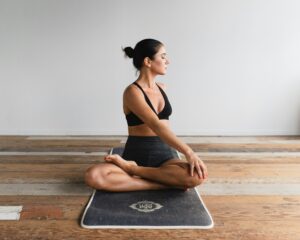
Stretching after a workout, no matter what type of fitness program you do, does more than help you feel good in the moment — it serves as a bridge between exercise and recovery. When your body is warm and your muscles are engaged, it’s the ideal time to lengthen and loosen up. Skipping this step leaves your muscles tight and your joints stiff, making it harder for your body to transition back to a resting state. Stretching promotes circulation, which helps move nutrients and oxygen through the body, speeding up the recovery process.
Think of stretching as the cooldown your body deserves. It helps you maintain the flexibility and mobility needed for daily movements like bending, lifting, and walking. Without it, your muscles may gradually lose range of motion. What happens if you don’t stretch after a workout is not just about being sore the next day, it’s about the cumulative effects that can hold you back in both fitness and everyday life.
What Happens If You Don’t Stretch After a Workout: Short-Term Effects
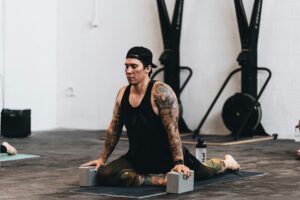
If you’ve ever felt tight, sore, or sluggish after a good workout, you’ve likely experienced the short-term effects of skipping a post-workout stretch. One of the most immediate consequences is delayed onset muscle soreness (DOMS), which often occurs when muscles tighten and remain that way for hours or even days. What happens if you don’t stretch after a workout is that your body has a harder time flushing out the lactic acid that builds up during exertion.
Tight muscles can also affect your posture and make your next workout feel more difficult. A lack of stretching reduces joint lubrication and can lead to stiffness, making everyday activities less comfortable. Over time, your body may begin to feel more fatigued between workouts due to inefficient muscle recovery. This fatigue can decrease performance, motivation, and consistency, three keys to long-term fitness success.
What Happens If You Don’t Stretch After a Workout: Best Stretches to Do After Different Types of Exercise

Incorporating targeted stretches after specific workouts can improve flexibility, reduce tension, and prevent injury. Here’s a quick guide:
After Strength Training:
- Standing quad stretch
- Seated hamstring stretch
- Shoulder and tricep stretch
- Cat-cow stretch for the spine
After Running or Cardio:
- Calf stretch against a wall
- Hip flexor lunge stretch
- Figure-four glute stretch
- Standing side stretch
After Yoga or Pilates:
- Reclined spinal twist
- Butterfly stretch
- Forward fold
- Supine knee-to-chest stretch
After Full-Body Workouts or HIIT:
- Downward dog
- Child’s pose
- Deep lunge with spinal rotation
- Chest opener against a doorway
Making these stretches part of your routine helps you avoid the discomfort of what happens if you don’t stretch after a workout and supports long-term flexibility and joint health.
7 Key Reasons to Start Stretching After a Workout

- Improved Flexibility: Regular stretching after workouts keeps your muscles lengthened, helping to improve your flexibility and overall mobility.
- Faster Recovery: Stretching increases blood flow, which helps flush out toxins and reduce soreness from workouts more quickly.
- Injury Prevention: Tight muscles are more prone to strains and tears. Post-workout stretching reduces tension and lowers injury risk.
- Better Posture: Stretching releases tight areas that commonly lead to poor posture, such as the hip flexors, hamstrings, and chest.
- Enhanced Performance: Flexible muscles perform better during strength and cardio training, which can lead to faster progress and better form.
- Reduced Stress: Stretching activates your parasympathetic nervous system, helping to relax your body and reduce cortisol levels after a workout.
- Long-Term Joint Health: Regular stretching helps maintain joint range of motion, which can protect you from stiffness and pain as you age.
By addressing what happens if you don’t stretch after a workout, these benefits highlight just how essential it is to take a few extra minutes for recovery and care.
Common Mistakes People Make When Stretching Post-Workout

Stretching after a workout is essential, but many people unintentionally make mistakes that reduce its effectiveness. One of the most common errors is rushing through stretches or skipping them altogether, which can contribute to stiffness and tight muscles. When you move too quickly or use poor form, you miss the opportunity to help your muscles cool down and recover properly. Knowing what happens if you don’t stretch after a workout can help you approach this part of your fitness routine with more care and intention.
Another mistake is using dynamic stretches instead of static ones. Dynamic movements are great for warming up, but after a workout, your muscles need slower, more controlled stretches to prevent injury and ease tension. Not holding a stretch long enough is another issue. Experts recommend holding each stretch for at least 20 to 30 seconds. If you’re unclear on what happens if you don’t stretch after a workout, remember that skipping or poorly executing stretches can lead to reduced flexibility, increased muscle soreness, and even long-term mobility issues.
Finally, people often forget to breathe or stretch both sides evenly. Holding your breath can create tension, and focusing on one side more than the other can cause muscular imbalances. Understanding what happens if you don’t stretch after a workout includes knowing that bad habits can be just as harmful as skipping it entirely. Take the time to stretch correctly to protect your body and support your overall fitness goals.
Stretching is an Essential Part of Your Workout

Stretching might feel optional in the moment, but it plays a vital role in your overall health and fitness journey. What happens if you don’t stretch after a workout isn’t always immediate, but the long-term effects, like decreased mobility and higher injury risk—, can impact your daily life. Prioritizing just five to ten minutes of stretching post-exercise can keep your muscles limber and your body strong. It also supports better posture, reduces stress, and enhances circulation.
No matter your fitness level and working out frequency (or if you’re in a fitness plateau but need to start working out again), the consequences of skipping this key step are worth taking seriously. What happens if you don’t stretch after a workout could derail your goals, slow your progress, and leave you in unnecessary pain. By adding stretching to your cooldown routine, you invest in your recovery, performance, and future health. Treat it as an essential part of your workout, not an afterthought, and your body will thank you.


 Dive into insightful articles on health and wellness, nutrition, fitness, mental serenity, and so much more.

