This article is based on the latest available information at the time of publication. However, it cannot replace personalized, professional care. Please consult with your physician or mental health professional before making changes that impact your health.
Also, we hope you love the products we recommend. Just so you know, Vitality Views may collect a share of sales or other compensations from the links on this page.
Cold exposure is everywhere in 2026, and it’s not just another wellness trend people try once and forget. When you understand the cold exposure benefits and start the right way, cold showers and ice baths can become a simple habit that supports your energy, resilience, and recovery. The key is learning how to do it safely, because cold exposure benefits are most noticeable when you build consistency and keep your approach realistic. If you’ve been curious but intimidated, you’re in the perfect place to start.
The reason cold exposure benefits get so much attention is that your body responds quickly to cold as a stimulus. That initial shock can increase alertness and create a strong mind body reset, but it’s also why beginners need structure and a gradual plan. Jumping in too aggressively can backfire, especially if you have medical concerns or you’re doing it for the wrong reasons. With the right method, cold exposure benefits can feel empowering instead of overwhelming, and you’ll actually want to stick with it.
In this beginner’s guide, you’ll learn safe, practical ways to try cold showers and ice baths, plus the habits that make it easier to stay consistent. We’ll break down what matters most, like temperature, time, breathing, and when to avoid cold exposure entirely. If you want cold exposure benefits without the panic, stress, or rookie mistakes, you’re going to love this approach. Your goal isn’t to prove anything, it’s to feel better and build a routine you can repeat.
What Cold Exposure Is and Why It’s Trending in 2026
Cold exposure is the intentional practice of exposing your body to cold temperatures for a short period of time, usually through cold showers, ice baths, or cold plunges. The goal is not to suffer through it, but to create a controlled stressor that your body learns to tolerate. When done correctly, cold exposure benefits can include a noticeable mental reset, a feeling of alertness, and a stronger sense of resilience throughout the day. It’s similar to exercise in the sense that the challenge is temporary, and the adaptation is what creates the payoff.
It’s trending in 2026 because people want wellness habits that feel simple, measurable, and fast. Cold exposure doesn’t require a gym membership, a complex routine, or hours of time, which makes it appealing for busy schedules. It also fits into the growing focus on nervous system regulation, recovery, and mood support, especially for people who feel constantly overstimulated. Cold exposure benefits are often described as immediate, which is a big reason it keeps going viral. When you step out of the cold and feel clear headed, it’s easy to understand why people keep coming back.
Cold Exposure Benefits: What Research Actually Suggests
Cold exposure benefits are still being studied, but research and real world use suggest several patterns that can make it worth trying. One of the most common effects is increased alertness, since cold triggers a strong physiological response that can make you feel more awake quickly. Some people also experience improved mood, because cold exposure may influence stress response pathways and create a “reset” feeling when you’re stuck in mental fog. There’s also interest in how cold exposure benefits recovery, especially after exercise, because cold can affect inflammation, soreness, and perceived muscle fatigue.
At the same time, it’s important to stay realistic. Cold exposure benefits aren’t guaranteed, and they can vary based on your consistency, your stress levels, and how extreme your approach is. More isn’t always better, and beginners often get the best results from short exposure they can repeat regularly. The safest way to approach cold exposure benefits is to treat it like a habit that builds over time, not a one time shock session. If you keep it consistent and controlled, you’re more likely to notice benefits without burning out or dreading the experience.
Cold Showers vs Ice Baths: What’s Better for Beginners
For most beginners, cold showers are the best place to start because they’re easier to control and far less intimidating. You can adjust the temperature gradually, shorten or extend the time, and stop immediately if you feel too overwhelmed. This makes cold exposure benefits more accessible, because you’re practicing the skill of staying calm without feeling trapped. Cold showers also fit into your routine without extra setup, which means you’re more likely to stay consistent.
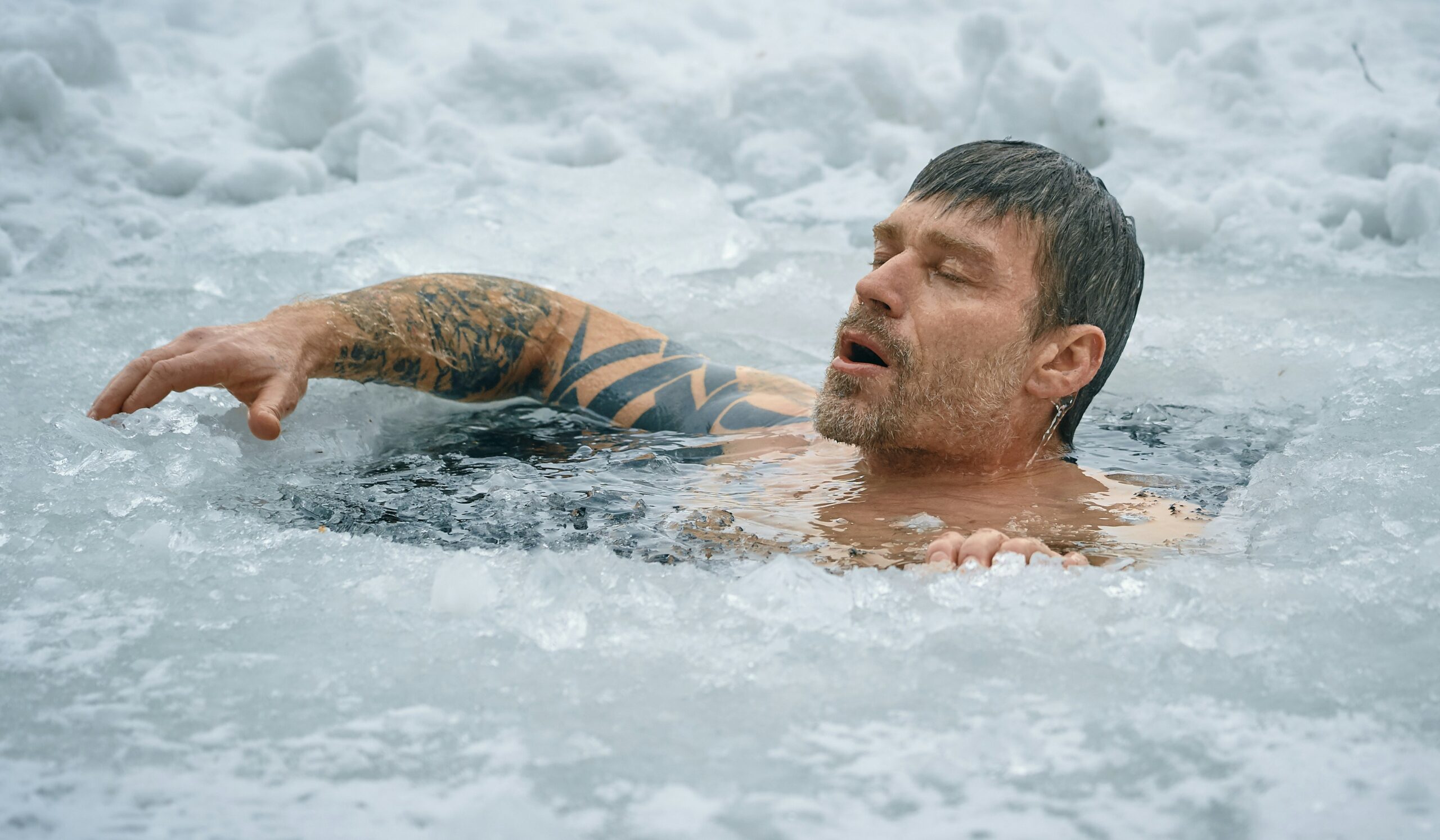
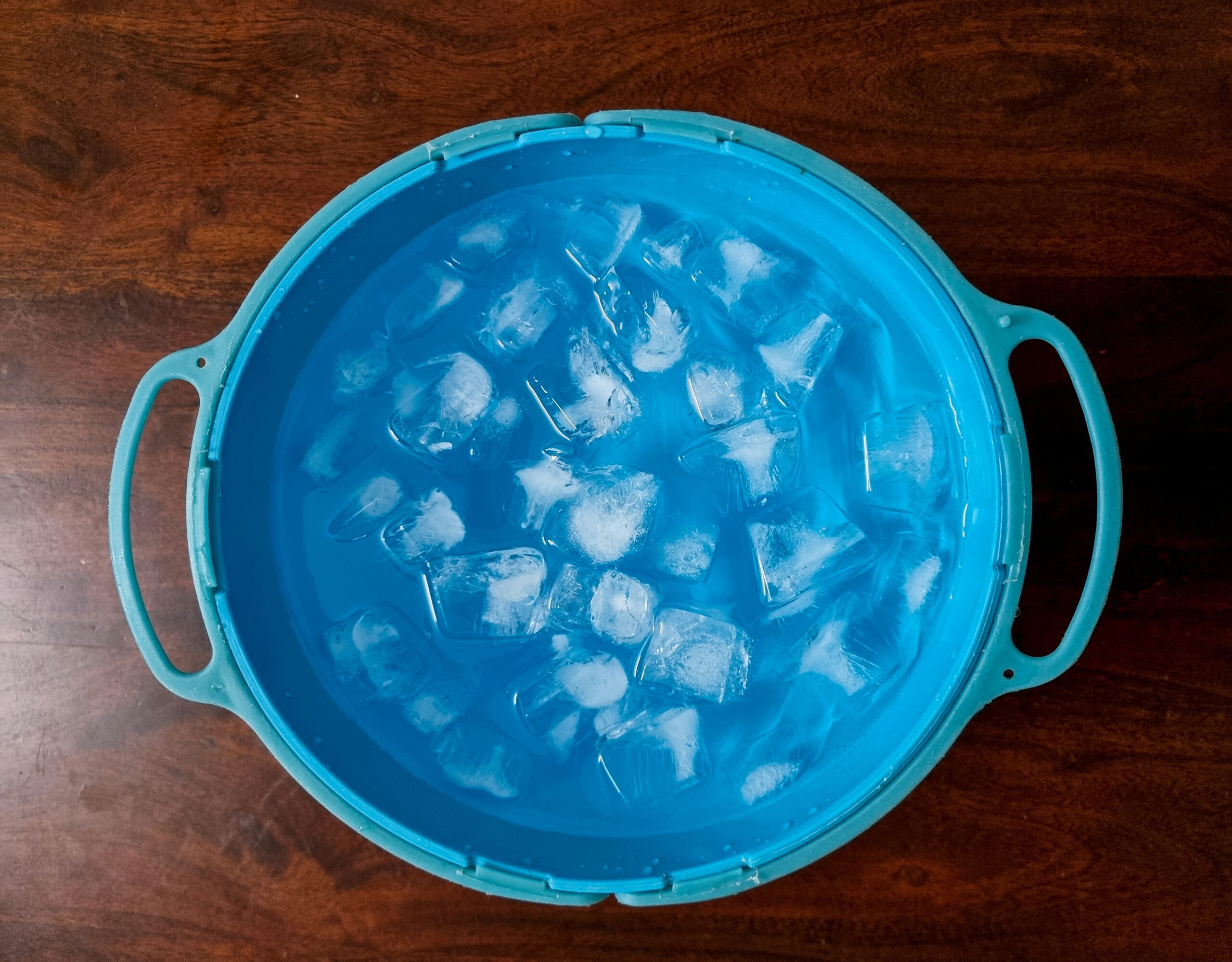
Ice baths can feel more intense, even if the time is short, because the cold hits your body all at once. They can deliver strong cold exposure benefits, but they also increase the chance of overdoing it early or quitting after one attempt. If you’re brand new, it’s smarter to build tolerance with showers first, then upgrade to ice baths once your body knows what to expect. The best choice is the one you’ll actually repeat, because cold exposure benefits come from consistency, not one dramatic session. If you want a beginner friendly plan, start with cold showers for a few weeks, then consider ice baths if you’re still interested.
The Ideal Temperature and Time for Beginner Cold Exposure
The ideal cold exposure routine for beginners is the one that feels challenging but safe, and that you can repeat without panic. According to the Women’s Hospital of Texas, the best temperature for a cold exposure plunge is between 50 and 59 degrees.
You do not need extreme cold to experience cold exposure benefits, especially at the start. For most people, the best approach is to begin with cool water and gradually work toward colder temperatures as your tolerance improves. Your goal is to build adaptation, not to shock your system into misery. A simple beginner target looks like this:
Start with 15 to 30 seconds of cold at the end of a warm shower
Increase to 45 to 60 seconds once that feels manageable
Work up to 2 minutes over time if it still feels good
Keep sessions short enough that you can stay calm and steady
If you’re doing an ice bath, keep it conservative. Short exposure is plenty for beginners, and it’s better to exit early feeling confident than to push too long and dread the next attempt. Cold exposure benefits tend to show up when your body learns, “This is uncomfortable, but I can handle it.” That mindset shift matters more than chasing a specific number.
Breathing is what turns cold exposure from panic into control, and it’s one of the fastest ways to unlock cold exposure benefits without feeling overwhelmed. Cold triggers a natural gasp reflex, which can spike your stress response if you let your breath get shallow or chaotic. The moment you control your breathing, your nervous system starts to settle, and the cold becomes more tolerable. This is why breathing is the real skill behind cold exposure benefits, not toughness.
Try this simple breathing pattern during cold exposure:
Inhale through your nose for 4 seconds
Exhale slowly through your mouth for 6 seconds
Keep your shoulders relaxed and your jaw unclenched
Focus on long exhales, because they signal safety to your body
If you start to feel panicked, do not push through it blindly. Step out, reset your breathing, and try again another day with a shorter exposure. Cold exposure benefits come from calm consistency, not from forcing your way through stress. When you treat breathing like the main goal, your tolerance improves faster than you’d expect, and the entire experience feels more empowering.
Cold exposure can be a powerful tool, but only when it’s done with intention and consistency. The cold exposure benefits you see most often come from small, repeatable exposures that build tolerance over time, not extreme sessions that leave you feeling wrecked. When you start gradually, focus on calm breathing, and listen to your body, cold exposure benefits can stack in a way that feels sustainable and genuinely helpful. You’re not chasing discomfort, you’re training resilience in a controlled, safe way.
The biggest mistake beginners make is trying to force progress too fast. Cold exposure benefits tend to show up when you treat it like a practice, not a challenge, and you let your body adapt at its own pace. Your nervous system learns through repetition, and your confidence grows every time you complete a session without spiraling. Over time, you’ll notice cold exposure benefits in how you handle stress, how you recover, and how quickly you can reset your mood.
If you’re ready to start, keep it simple this week! Choose cold showers first, aim for a short finish at the end of your regular shower, and track how you feel afterward. Then build slowly, one step at a time, until it feels normal instead of scary. Start today, commit to seven days, and see what cold exposure benefits show up when you stay consistent.
If you’ve wondered how to stop overthinking, you’re probably familiar with a very particular cycle: your brain chooses a subject with no clear direction or
Dry ends, stubborn frizz, constant breakage, and hair that never seems to feel soft anymore can make even the simplest styling routine frustrating. Whether your
“Burnout” has become a buzzword in workplace culture, with employers worrying about how this mental health phenomenon might impact their employees’ productivity. The common (correct)
Subscribe to Our Newsletter Today!
Discover a world of well-being with our exclusive newsletter tailored just for you. Dive into insightful articles on health and wellness, nutrition, fitness, mental serenity, and so much more.
Subscribe to Our Newsletter Today!
Discover a world of well-being with our exclusive newsletter tailored just for you. Dive into insightful articles on health and wellness, nutrition, fitness, mental serenity, and so much more.
Manage Cookie Consent
To provide the best experiences, we use technologies like cookies to store and/or access device information. Consenting to these technologies will allow us to process data such as browsing behavior or unique IDs on this site. Not consenting or withdrawing consent, may adversely affect certain features and functions.
Functional
Always active
The technical storage or access is strictly necessary for the legitimate purpose of enabling the use of a specific service explicitly requested by the subscriber or user, or for the sole purpose of carrying out the transmission of a communication over an electronic communications network.
Preferences
The technical storage or access is necessary for the legitimate purpose of storing preferences that are not requested by the subscriber or user.
Statistics
The technical storage or access that is used exclusively for statistical purposes.The technical storage or access that is used exclusively for anonymous statistical purposes. Without a subpoena, voluntary compliance on the part of your Internet Service Provider, or additional records from a third party, information stored or retrieved for this purpose alone cannot usually be used to identify you.
Marketing
The technical storage or access is required to create user profiles to send advertising, or to track the user on a website or across several websites for similar marketing purposes.








 Dive into insightful articles on health and wellness, nutrition, fitness, mental serenity, and so much more.

