
January motivation often starts strong but fades quickly when routines feel overwhelming. Learning how to stick to fitness goals means shifting away from all or nothing thinking and toward sustainable habits. This reset is about protecting your energy while still making progress that lasts beyond the first few weeks.
Burnout is one of the biggest reasons people abandon their plans, even when intentions are good. Understanding how to stick to fitness goals helps you pace yourself and create routines that support your body instead of exhausting it. When goals feel realistic and flexible, consistency becomes possible rather than stressful.
This is the moment to rethink how you approach fitness this year. How to stick to fitness goals is not about pushing harder but about showing up smarter. A motivation reset now can help you move forward with confidence instead of frustration.
How to Stick to Fitness Goals With a Realistic Reset in 2026

Learning how to stick to fitness goals starts with resetting what success looks like. Progress does not have to mean intense workouts every day or dramatic changes overnight. A realistic reset focuses on showing up consistently even when energy feels low.
How to stick to fitness goals becomes easier when goals are flexible instead of rigid. Adjusting expectations allows fitness to fit into real life rather than compete with it. This approach reduces pressure and keeps motivation steady instead of fragile.
The Role of Habit Building in Long Term Fitness Success
Habits remove the need for constant motivation which is key to how to stick to fitness goals. When fitness becomes part of your routine it feels automatic instead of forced. Small habits repeated often create stronger results than occasional intense efforts.
How to stick to fitness goals long term depends on behaviors you can repeat even on hard days. Choosing habits that feel manageable helps fitness blend into daily life. Over time those habits create momentum without burnout.
Related: Women’s Workout Clothes for Chilly Gym Days: Our 12 Favorite Picks
How Burnout Sabotages Fitness Progress

Burnout often starts quietly when rest is ignored or expectations stay too high. People trying to learn how to stick to fitness goals sometimes push harder when they should slow down. This leads to exhaustion frustration and eventually quitting.
How to stick to fitness goals requires listening to early signs of burnout. Fatigue irritability and loss of enjoyment are signals not failures. Addressing them early helps protect consistency and progress.
Related: Powerful Endurance Exercises You Can Do at Home
Setting Fitness Goals That Actually Fit Your Life
Fitness goals work best when they align with your schedule energy and priorities. Understanding how to stick to fitness goals means choosing goals that fit your current season of life. Goals that feel realistic are easier to maintain. How to stick to fitness goals improves when plans account for busy days travel and rest needs. Flexible goals adapt instead of breaking when life changes. This creates a sustainable path forward.
Why Consistency Matters More Than Intensity
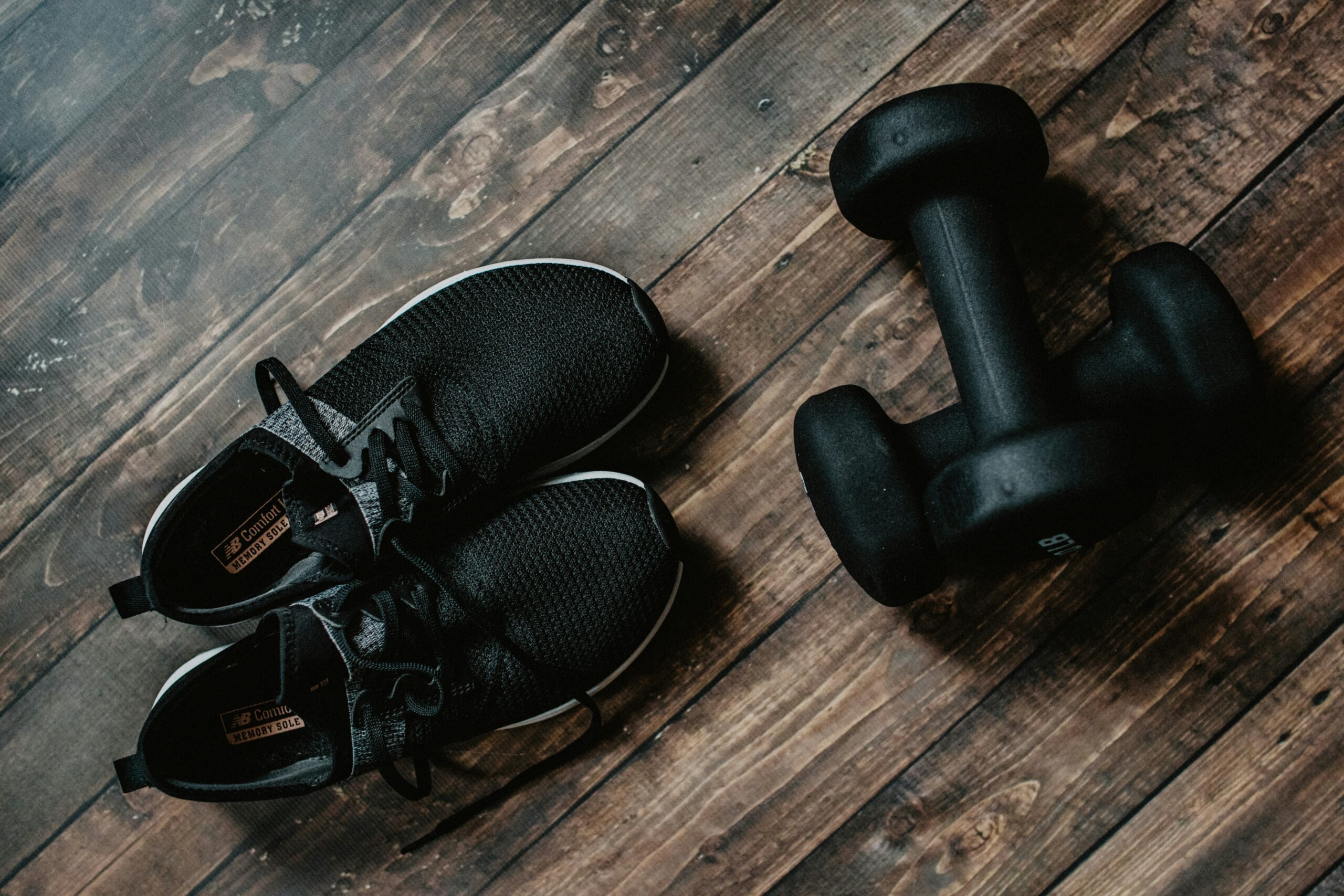
Consistency builds results even when workouts feel simple. Many people searching for how to stick to fitness goals focus too much on intensity. Showing up regularly matters more than pushing hard occasionally.
How to stick to fitness goals becomes clearer when you value frequency over perfection. Short consistent workouts often outperform sporadic intense sessions. This mindset protects motivation and progress.
How to Stay Motivated When Results Feel Slow
Slow progress can test patience and confidence. Knowing how to stick to fitness goals includes learning how to stay motivated during quiet phases.
-
Track habits instead of outcomes
-
Celebrate effort not just results
-
Focus on how your body feels
-
Set short term process goals
-
Remind yourself why you started
How to stick to fitness goals gets easier when motivation is tied to actions you control. Small wins keep momentum alive even when visible results lag.
Related: What is Hot Yoga? Definition + Benefits
Rest and Recovery as Part of Your Fitness Plan

Rest is not optional if you want sustainable progress. Many people overlook recovery while learning how to stick to fitness goals. Without rest the body struggles to adapt and motivation drops.
How to stick to fitness goals includes honoring recovery days as part of the plan. Quality sleep stretching and lighter movement support long term consistency. Rest protects both physical and mental energy.
Mental Strategies That Help You Keep Showing Up
Your mindset shapes your fitness experience more than your workout plan. Learning how to stick to fitness goals means developing mental tools that support consistency.
Positive self talk patience and self compassion reduce pressure. How to stick to fitness goals becomes easier when setbacks are treated as part of the process. A supportive mindset keeps you coming back.
Related: Best Running Shoes for Foot Pain
Turning 2026 Fitness Goals Into Year-Long Fitness Habits

January goals often fail when they are treated as temporary challenges. Understanding how to stick to your overall health, fitness, and wellness, goals means shifting focus toward habits you can maintain all year.
How to stick to exercise goals long term involves building routines that grow with you. When fitness becomes part of your identity rather than a short push, consistency follows naturally. This approach turns January motivation into lasting change. Get started today!


 Dive into insightful articles on health and wellness, nutrition, fitness, mental serenity, and so much more.

