
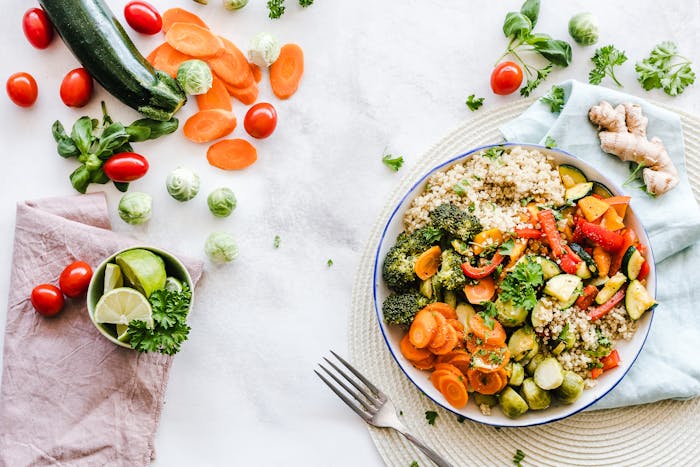
When it comes to your health, incorporating the best food for hormonal balance into your diet can have a huge impact. That’s because our hormones directly impact our physical, mental, and emotional well-being. And while hormones are influenced by various things, food is one of the most important factors.
The Best Food for Hormonal Balance
If you experience fatigue, bloating, mood swings, or unexplainable weight gain, it might be time to switch up your diet. Remember, eating a healthy, balanced, and nutritious diet is needed for hormone balance and overall health!
Cruciferous Vegetables
From a young age, we’re all told to eat our greens. But when it comes to the best food for hormonal balance, cruciferous vegetables are indeed some of the healthiest! These veggies contain two important phytonutrients – diindolylmethane (DIM) and indole-3-carbinol (IC3). Both support liver detoxification during the breakdown and removal of estrogen.
But in addition to the liver benefits, they’re also packed with vitamins and antioxidants, which are great for digestive health. Therefore it’s important to include as many cruciferous vegetables into your daily diet.
- Broccoli
- Cabbage
- Cauliflower
- Kale
- Bok Choy
- Brussel Sprouts
Healthy Fat Foods
When most people hear the word “fatty foods”, they often assume it is unhealthy. But the truth is, there is a huge distinction between healthy fats and unhealthy fats. While it is important to control how many unhealthy fats you consume, healthy fats are actually essential for hormone production.
On top of that, these types of fats can also regulate our blood sugar levels. Because they slow down the absorption of carbs, it’s easier to avoid those nasty blood sugar spikes.
However, these types of foods should also be eaten in moderation. Fatty foods tend to be high in calories, so you only need a little each day!
- Avocados
- Fatty fish (salmon, mackerel, sardines)
- Seeds (flax seed, pumpkin seed, sunflower seed, chia seed)
- Whole fat dairy products (butter, cheese)
As a side note – flax seeds are especially good for hormonal balance! They’re the best natural source of lignans, a phytoestrogen that helps to regulate estrogen levels. Aim to eat two tablespoons of flax seed daily (you can add it to your soup, salads, or smoothies).
Wholegrain Fibrous Carbs
Carbs are our friends, especially wholegrain fibrous carbs. If you don’t eat enough carbs, your body will start to burn protein instead, which can impact your cortisol levels. However, slow-burn carbs
They’re full of fiber and important vitamins (like vitamin B) which are necessary for hormone regulation. Specifically, they can help with improving insulin sensitivity and regulating blood sugar levels.
- Rye bread
- Brown rice
- Quinoa
- Buckwheat
- Oats
Protein
Protein is one of those food sources that benefits almost every part of the body. As you may know, protein is made up of amino acids, which are crucial for repairing tissue and building muscle. But amino acids are also important for hormone creation and balance, specifically with insulin and thyroid hormones.
Another benefit of eating protein is it helps you stay full for longer. Therefore, you’ll be less likely to overeat or consume unnecessary calories. By maintaining a healthy weight, you can also prevent hormonal disruptions caused by excess body fat and weight gain.
However, not all protein sources are made the same. It’s best to stick with proteins that are anti-inflammatory and high in fatty acids. Too much red meat can actually create a hormonal imbalance because it increases estrogen production. However, lean cuts of red meat can be a good source of protein, iron, and zinc (when eaten in moderation, of course).
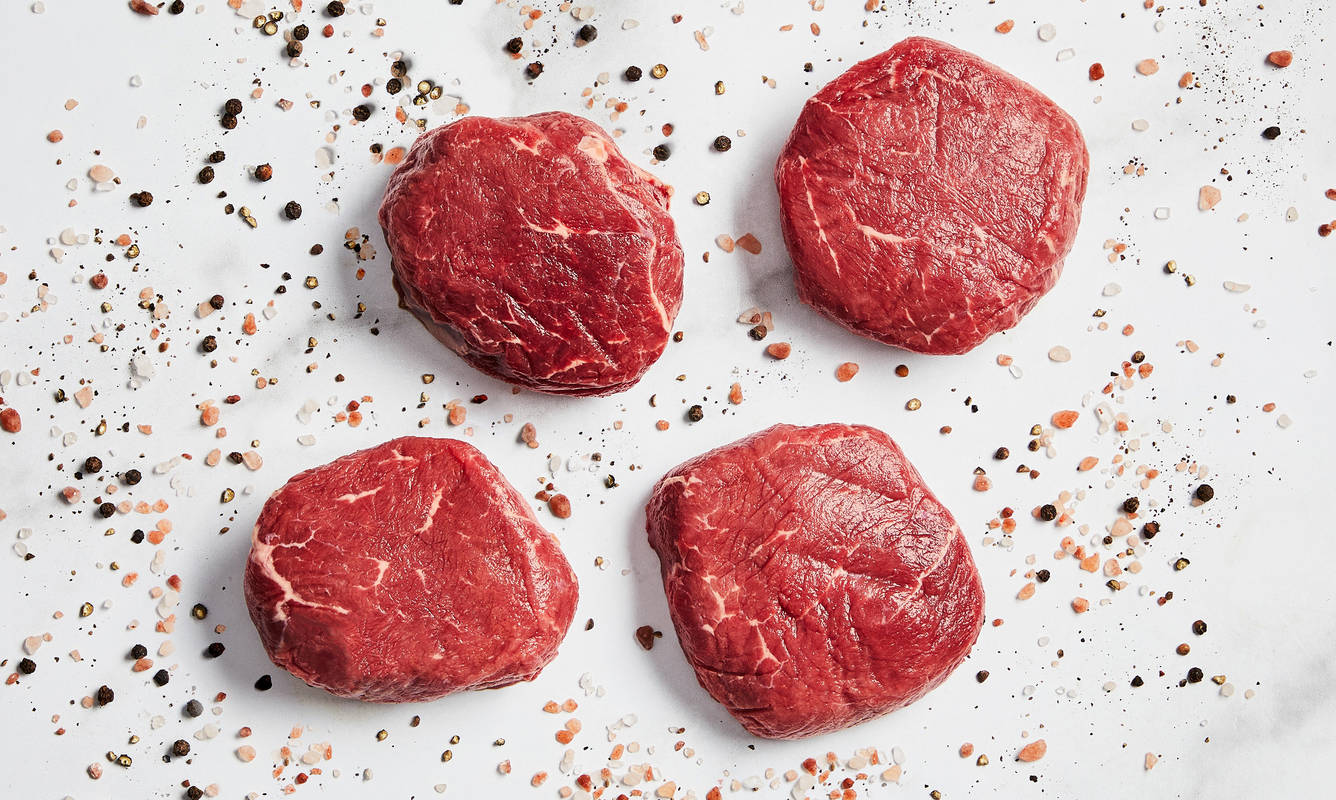
- Lean red meat
- Chicken
- Turkey
- Salmon
- Eggs
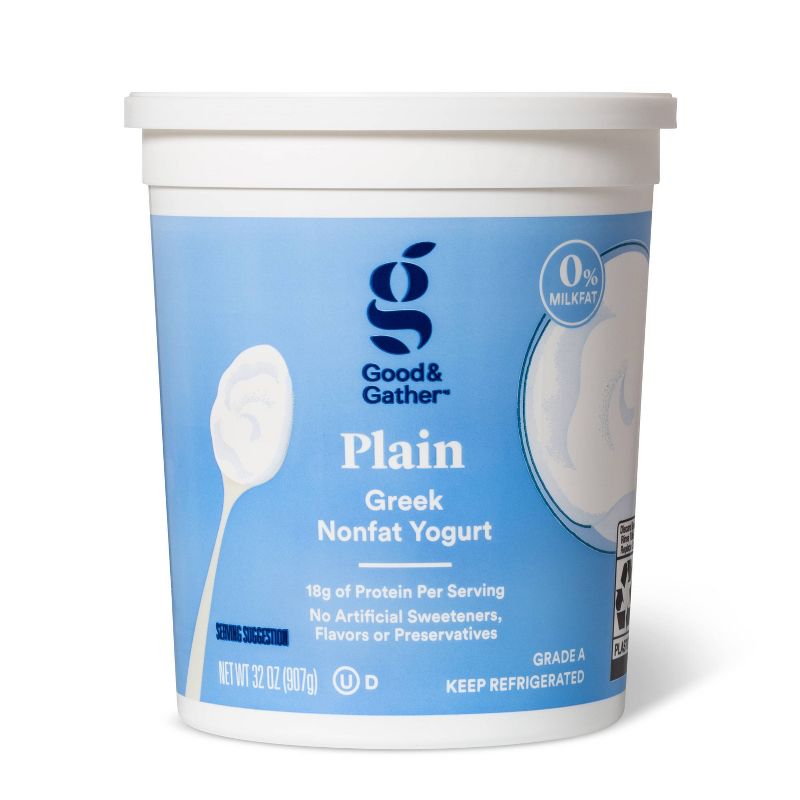
- Greek yogurt
- Cottage cheese
Foods to Avoid for Hormone Balance
There are some foods that can severely disrupt or negatively impact how our bodies regulate hormones. While some are okay in small amounts, it’s best to minimize or remove them from your diet.
Added Sugars
Huge dips and spikes in blood sugar levels can disrupt your balance of insulin and cortisol. As a result, you may become more resistant to insulin over time.
Avoid things like soda, candy, sugary cereals, sports drinks, and cookies.
Processed Foods
There are very few nutritious ingredients in processed foods. Instead, they contain unhealthy fats, high levels of sugar, and potentially harmful additives that can impact your hormones and gut health.
Avoid things like fast food, processed meats (ham, bacon, sausage), soda, frozen meals
Refined Carbohydrates
Unlike wholegrain fibrous carbs, refined carbs can cause a spike in blood sugar levels. They have a similar impact on the body and hormone levels as sugar.
Avoid things like white bread, pasta, white rice, pastries, crackers
Alcohol
Our liver is one of the most important organs when it comes to hormone regulation. And as we know, alcohol has the ability to severely impact (or even damage) the liver. On top of that, alcohol also leads to an increase of estrogen levels which can create an imbalance of hormones in our bodies.
Trans Fats
Trans fats have so many negative side effects that they really should be removed completely from your diet! They are linked to an increase in bad cholesterol, a decrease in good cholesterol, inflammation, insulin resistance, and weight gain/obesity.
Avoid things like deep fried foods, packaged snacks, and foods with partially hydrogenated oil
When it comes to the best food for hormone balance, nutrition-dense, whole foods are the key. Not only do they support hormone creation and regulation, but they also enhance our physical, mental, and emotional well-being. In addition to eating well, it’s also important to get a good night’s sleep and to exercise regularly. Incorporating these habits and behaviors can promote optimal hormone health and set you on a path to a better and happier




 Dive into insightful articles on health and wellness, nutrition, fitness, mental serenity, and so much more.

