

Rye bread has been a dietary staple for centuries, cherished for its unique flavor and nutritional profile. While some praise it as a healthier alternative to other bread varieties, others raise concerns about potential drawbacks. In this article, we delve into the facts to determine “Is rye bread good for you?”
Is Rye Bread Good for You?
The Nutritional Composition
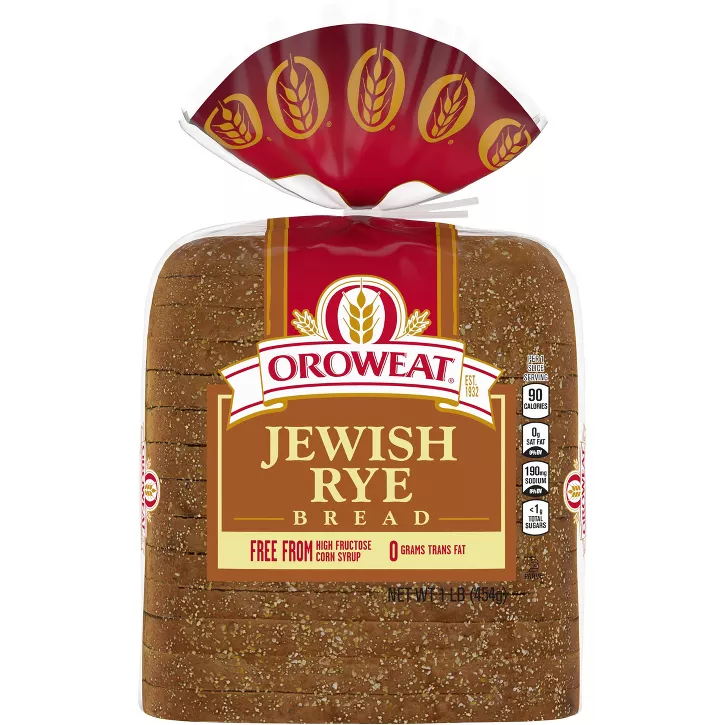
Rye bread is made from grains and comes in various forms, such as light, dark, or whole grain. Its nutritional composition sets it apart from other bread types, particularly the inclusion of bran and germ, which contribute to its unique properties.
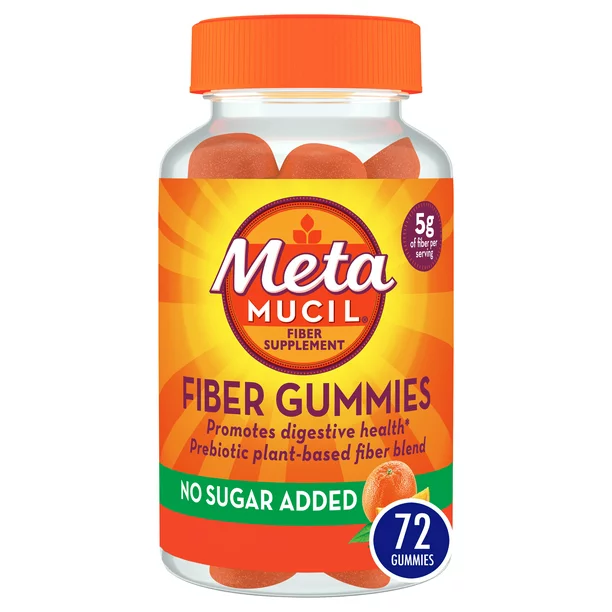
- Fiber Content: One of the most significant advantages is its high fiber content. Rye bread is typically made from whole grains, providing ample amounts of dietary fiber. Fiber plays a crucial role in digestive health, as it aids in regular bowel movements, prevents constipation, and promotes a feeling of fullness, which can be beneficial for weight management.
- Complex Carbohydrates: Rye bread predominantly consists of complex carbohydrates that are broken down more slowly in the body. This leads to a gradual rise in blood sugar levels, making it a favorable option for individuals with diabetes or those striving to manage their blood sugar levels.
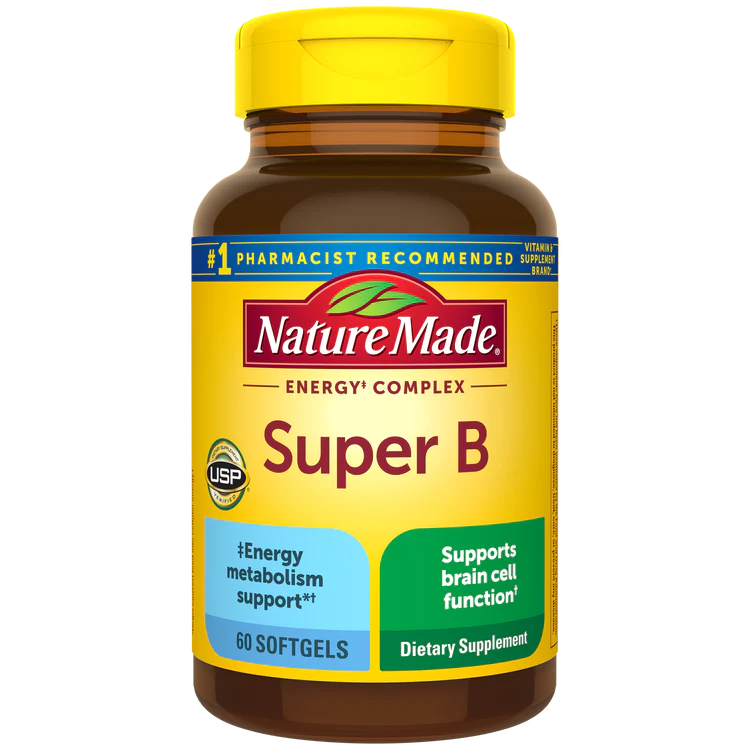
- Rich in Nutrients: Rye bread contains essential nutrients like manganese, magnesium, phosphorus, and B-vitamins. These micronutrients are vital for various bodily functions, including energy production, bone health, and nerve function.
Potential Health Benefits
Rye bread offers several potential health benefits that may make it a valuable addition to your diet.
- Heart Health: The fiber content in rye bread can have a positive impact on heart health. Studies have suggested that diets high in whole grains, such as bread, are associated with a reduced risk of heart disease. Fiber helps lower LDL cholesterol levels (the “bad” cholesterol) and can improve overall cholesterol levels, leading to a healthier cardiovascular system.
- Weight Management: Rye bread’s high fiber content and slower digestion rate contribute to increased satiety and prolonged fullness. This effect can potentially aid in weight management by reducing overall calorie intake.
- Blood Sugar Regulation: Research indicates that rye bread may help regulate blood sugar levels due to its lower glycemic index compared to many other types. This makes it a promising option for individuals with type 2 diabetes or those aiming to maintain stable blood sugar levels.
- Gut Health: The fiber and prebiotic properties of rye bread can support a healthy gut microbiome. A balanced gut flora is associated with improved digestion, better immune function, and even potential mental health benefits.
Considerations and Potential Drawbacks
While rye bread has numerous potential health benefits, there are certain considerations to keep in mind.
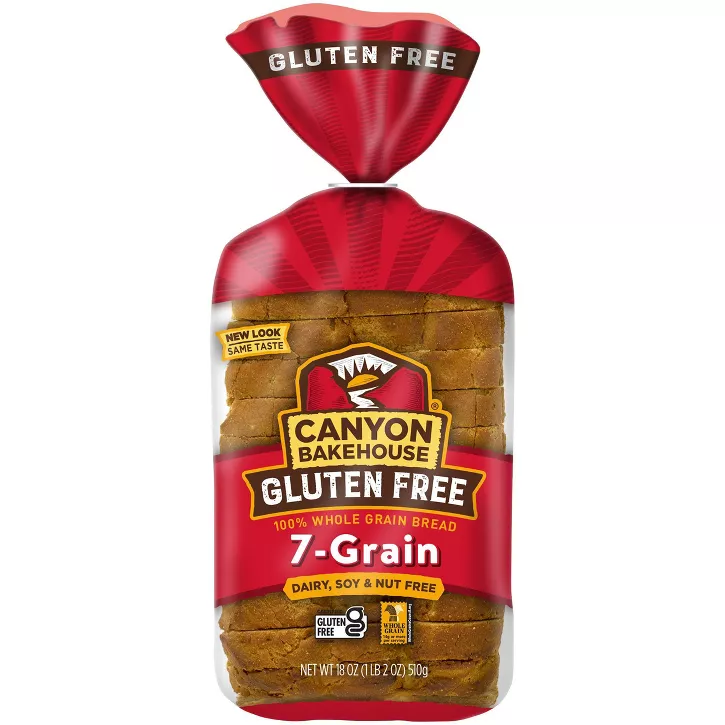
- Gluten Content: Rye bread contains gluten, a protein that can trigger adverse reactions in individuals with celiac disease or gluten sensitivity. For those with these conditions, consuming bread can lead to gastrointestinal discomfort, nutrient deficiencies, and other health issues. For a grain-filled, gluten-free alternative, this loaf contains lots of flavors.
- Sodium Content: Some commercial varieties may be high in sodium, which can contribute to high blood pressure and other health problems when consumed in excess. It is essential to read labels and choose low-sodium options whenever possible.
- Added Sugars and Additives: Like any processed food, some commercially-produced options may contain added sugars, preservatives, or other additives. Opting for whole-grain, less-processed options or making homemade bread can help mitigate these concerns.
So, Is It Good for You?
In conclusion, rye bread can be a valuable component of a healthy and balanced diet, providing an array of nutritional benefits such as fiber, essential nutrients, and potential advantages for heart health and blood sugar regulation. However, it may not be suitable for everyone, particularly those with celiac disease or gluten sensitivity. As with any food, moderation and mindful consumption are key.
If you have no dietary restrictions, incorporating whole-grains into your meals can be a tasty and nutritious way to enhance your overall health. So, next time you’re at the bakery, don’t hesitate to give it a try and savor its unique flavor and potential health benefits.







 Dive into insightful articles on health and wellness, nutrition, fitness, mental serenity, and so much more.

