
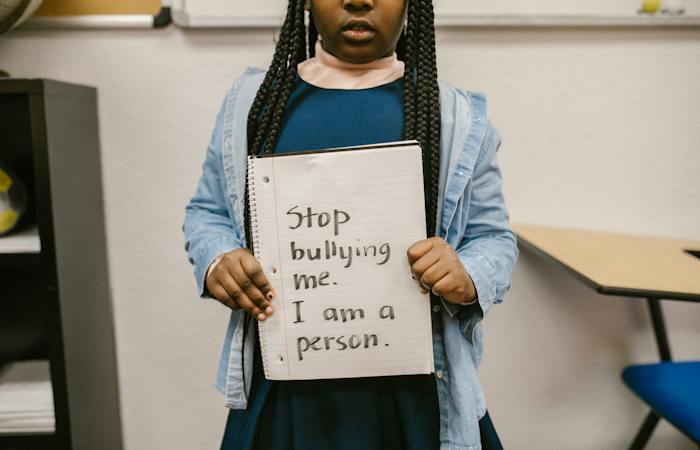
It’s crushing: seeing your kid come home from school feeling defeated and put down, doubting their self-worth. And unfortunately, in the age of technology, bullying has only evolved. Now, studies show that at least 22% of children report experiencing bullying. But knowing how to help a child being bullied proves challenging, even for the best parents.
Identifying the Signs of Bullying
Not all children come home and announce that people mistreat them. So, knowing the signs helps you identify whether you need to approach the topic with your child.
Here are some of the most common ones:
- Missing school or avoiding going to school (they may also express a fear of attending school)
- Feeling sick in the mornings
- Coming home with physical injuries, whether minor or major
- Falling grades
- Seeming less confident and more nervous
- Trouble with sleeping and/or eating
- Mistreating other children
- Obtaining money (usually to give to bullies)
- Ripped clothing and/or damaged possessions
- Becoming quieter or more withdrawn than usual
- Suicidal ideation and/or suicide attempts
How to Help a Child Being Bullied

Listen Calmly
As a parent or caretaker, you’ll likely want to fly off the handle when you learn of a child being bullied. However, this sort of response might not serve as the most productive one. Instead, try calmly listening to your child and demonstrate that you understand what their saying. Instead of trying to solve the bullying, focus on how they’re feeling in the moment.
If your child says that they fought back or hurt another child in response to being bullied, don’t address this right away. Make it your goal to show your child that you’re there for them, and you won’t judge them. This opens up an avenue of communication between you and your child so they can speak with you about what they’re going through. Resolve to address any problematic behavior on their end another time.
Ask About Thoughts of Self-Harm/Suicide
Many people shy away from directly asking whether someone has thought about harming themselves or ending their own lives. After all, some believe that doing so may put the thought into someone else’s head.
However, research repeatedly demonstrates that in most cases, asking directly about suicide and self-harm does not result in the person committing these acts. Instead, suicidal ideation and self-harm often go undetected when someone doesn’t ask these questions.
In addition, some people skirt around the question by not asking it directly. For instance, parents may ask, “Have you thought about doing anything bad to yourself?” instead of “Do you think about killing/harming yourself?”
This indirect form of questioning may also lead to inaccurate answers. After all, the person may not know you’re asking about suicide or self-harm and answer “no.” As a result, most mental health professionals recommend using this direct phrasing: “Have you ever thought about killing or hurting yourself?”
If your child reports that they’ve thought of killing themselves, do a quick assessment. First, ask if they’ve just thought about it or if they have a plan. Second, ask if they have access to anything they can use to harm or kill themselves. Remove any such items from their possession.
Should they have a plan, skip the next step and take them immediately to the hospital. If you need emergency help, call 988.
Seek Professional Help
Regardless of whether your child plans on using self-harm or suicide, getting professional help remains a must. Bullying often severely impacts a child’s self-esteem and may even serve as the cause of a mental health issue.
To find the right level of care for your child, look for a counselor who specializes in bullying. To do so, visit Talkspace and create a profile for your child. After answering a few questions, you’ll be matched with a therapist whose qualifications meet your needs.
In challenging situations like childhood bullying, seeking professional help becomes paramount. Online platforms like BetterHelp provide accessible support, connecting parents and children with experienced therapists to navigate the emotional complexities and develop effective coping strategies.
Still, if your child and the therapist don’t seem like a good fit, request to transfer to a new therapist. Experts uphold that the therapeutic relationship serves as the most important indicator of how well treatment for your child will go. So don’t compromise and go with a mediocre fit. Instead, learn how to find a good counselor.
Come Up with a Safety Plan
It’s time to introduce one of counseling’s most widely used tools: the safety plan. Put in simple terms, a safety plan is a brief form that describes what the person plans on doing whenever they feel distressed enough to self-harm or commit suicide.
Use one of the publicly available safety plans to create one with your child. Then, stick it in their backpack and keep one at home.
Address the Source of the Bullying
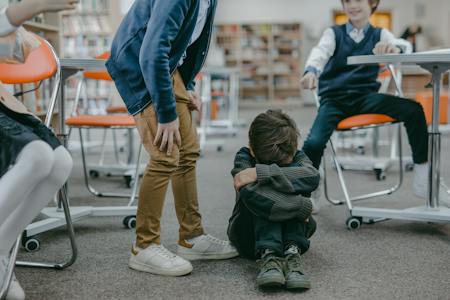
Next, take the proper steps to ensure that the bullying gets addressed. For many parents and caretakers, this involves calling the school if the bullying happened there. In addition, many people call teachers to tell them about what’s going on. If you have the phone number of the bully’s parents, you may want to phone them as well.
If the bullying happened online, report the account bullying your child and block it. Encourage your child to never interact with this person again. You may also want to talk to your child about taking a social media break.
Develop New Coping Skills
For people who can’t block the bully, developing helpful coping skills becomes key. As such, you should sit down with your child and brainstorm a list of healthy coping mechanisms.
For example, many children find it helpful to ignore the bully and walk away. That way, the bully doesn’t get the rise they were looking for, and the conversation will (hopefully) die down.
In addition, use positive affirmations to help fight back against the bully’s words. Ask your child what the bully says to them and come up with responses that they can say either out loud or in their head.
For instance, let’s say a bully called your child ugly. As a parent, you could challenge your child to think of a few things about their features that they like. Then, they can say this in their head, “I know I’m not ugly because I have nice *fill in the blank.*”
Get a Community of Support
Helping a child being bullied might prove emotionally challenging for both you and the child. If you need an extra dose of support, don’t be afraid to seek it out! MindValley provides a great community for growth and help for many different types of people.
Keep the Conversation Going
When you learn of a child being bullied, you don’t want to have just one conversation with them. Make it clear to the child that you’re a safe person to talk to and continue to ask them about the bullying. That way, you become aware of any new developments.







 Dive into insightful articles on health and wellness, nutrition, fitness, mental serenity, and so much more.

