
Practicing intermittent fasting during hot weather presents unique challenges for both hydration and energy levels. It can be easy to overlook how the heat impacts your body’s response to fasting, especially if you are used to cooler climates. Knowing how to adapt your routine for intermittent fasting during hot weather can make a big difference in your comfort and results.
Many people continue their wellness goals through the summer months, but intermittent fasting during hot weather requires more planning. From fluid intake to timing your meals wisely, small adjustments can prevent fatigue and dehydration. This guide will help you understand how to stay on track while protecting your health during hotter days.
What is Intermittent Fasting?
Intermittent fasting is an eating pattern that alternates between periods of eating and periods of fasting. Rather than focusing on what you eat, it focuses on when you eat. Common methods include the 16:8 method, where you fast for 16 hours and eat during an 8-hour window, or alternate-day fasting, where you fast every other day. People choose intermittent fasting for various reasons, including weight management, improved digestion, better metabolic health, and mental clarity.
Unlike traditional diets, intermittent fasting is more about building a daily rhythm than counting calories. It has gained popularity because it’s flexible and can fit different lifestyles. However, external conditions like climate and physical activity can influence its effects. That’s why it is important to adapt your approach, especially when considering intermittent fasting during hot weather.
How Does Intermittent Fasting During Hot Weather Impact Your Body?

When you practice intermittent fasting during hot weather, your body undergoes additional stress due to heat exposure and limited fluid intake. As you go without food and possibly fluids for an extended time, your body works harder to maintain energy and regulate internal temperature. This can lead to symptoms like dizziness, fatigue, and dehydration if not managed properly. The effects of the heat can make fasting more intense, especially if you’re physically active or outdoors.
Another impact of intermittent fasting during hot weather is the way it affects your appetite and digestion. High temperatures may suppress hunger, which can lead to under-eating during your feeding window. This, in turn, can reduce energy levels and make it harder to maintain your routine. Understanding how your body responds in these conditions can help you adjust your schedule and stay safe while continuing your fasting plan.
How to: Intermittent Fasting During Hot Weather
Successfully managing intermittent fasting during hot weather starts with preparation. First, adjust your eating and fasting windows to align with cooler parts of the day. Many people find it easier to fast in the early morning or late evening when temperatures are more manageable. Planning your meals around these cooler hours helps you stay energized and avoids the added stress that comes with eating in the heat.
Hydration is also a top priority when practicing intermittent fasting during hot weather. Make sure to drink plenty of fluids during your eating window and consider adding electrolytes if you are sweating often. Eat foods that are high in water content, such as cucumbers, watermelon, and leafy greens. Lastly, monitor how your body feels. If you notice signs of heat exhaustion or dehydration, it’s important to pause and reevaluate your fasting routine.
Best Hydration Strategies for Intermittent Fasting During Hot Weather

Hydration is one of the most important factors to consider when practicing intermittent fasting during hot weather. Since you’re spending long hours without food or drink, your body is more vulnerable to fluid loss, especially in high temperatures. When sweat rates increase, your risk of dehydration rises faster than you might expect. That’s why planning your fluid intake during your eating window is crucial.
Start by drinking water consistently, not all at once. Spread your hydration out through the eating period so your body can absorb fluids more effectively. You may also want to include naturally hydrating foods like fruit or broth-based soups in your meals. In extreme heat, adding a low-sugar electrolyte drink can help replenish what you lose through sweat. With the right hydration strategy, intermittent fasting during hot weather becomes safer and more sustainable.
What to Eat When Breaking a Fast in Hot Weather

What you choose to eat after fasting matters even more when the temperatures are high. Foods that are heavy or hard to digest may leave you feeling sluggish or uncomfortable. Instead, it’s better to focus on meals that hydrate, cool, and energize your body. During intermittent fasting during hot weather, meals should help you recover from the fast while also restoring fluid balance.
Here are ideal foods to break your fast in hot conditions:
- Cucumbers and leafy greens – These vegetables are rich in water and gentle on digestion, making them ideal for rehydration and nutrient support.
- Watermelon, cantaloupe, and berries – These fruits offer a high water content along with natural sugars and antioxidants to help replenish energy quickly.
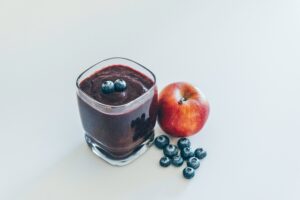
- Smoothies with yogurt or nut milk – Cold, blended smoothies offer hydration, protein, and healthy fats in a refreshing form that is easy to absorb.
- Soups and broths – A warm but light soup can deliver hydration, salt, and essential minerals without overwhelming your system.
- Grilled or baked fish – Lean proteins like salmon or tilapia are easier to digest and provide necessary amino acids to help rebuild after fasting.
5 Tips for Intermittent Fasting During Hot Weather
1. Hydrate With Purpose

Drink water consistently during your eating window, and do not wait until you are thirsty. Add fruits like lemon or cucumber to make it more enjoyable. If you are losing a lot of fluids, consider using drinks that contain electrolytes. Proper hydration will support your energy and reduce the risk of overheating.
2. Adjust Your Fasting Window
Try shifting your fasting schedule to cooler parts of the day. Many people find success by eating early in the morning and then fasting through the hottest hours. This makes it easier to meet your nutritional needs while avoiding energy crashes caused by heat.
3. Choose Light, Water-Rich Foods
When breaking your fast, opt for foods that hydrate and nourish without weighing you down. Watermelon, berries, cucumbers, and yogurt are great options. These choices are gentle on digestion and help maintain hydration during warmer days.
4. Avoid Intense Exercise During Peak Heat

If you exercise while fasting, move your workouts to early morning or late evening. Avoid high-intensity routines when the sun is at its peak. Your body is already working hard under heat stress, so lowering physical demand will help you stay safe.
5. Listen to Your Body
Pay close attention to how you feel during fasting. If you experience headaches, weakness, or dizziness, it may be a sign to adjust your plan. Intermittent fasting during hot weather can still be effective, but it requires flexibility and awareness.
Stay Cool and Consistent with Intermittent Fasting During Hot Weather
Adjusting your routine for intermittent fasting during hot weather is not about stopping your progress but about protecting your body. One of the most important strategies is prioritizing hydration both during and outside your eating window. Even if you feel less hungry, your body still needs water and electrolytes to handle the added stress of heat. Pay attention to signs of overheating like dizziness or fatigue, and adjust your fasting window if needed.
The key to success with intermittent fasting during hot weather is flexibility and awareness. Try eating lighter, water-rich foods when you break your fast, and avoid intense exercise during peak heat hours. Your routine can still be effective as long as you listen to your body and make smart choices. With thoughtful planning, intermittent fasting during hot weather can be both sustainable and safe.


 Dive into insightful articles on health and wellness, nutrition, fitness, mental serenity, and so much more.

