

At least 1/3 of Americans diagnose themselves whenever they have symptoms of a physical health condition. In addition, 44% have diagnosed themselves or someone else with a mental illness. With so much information now just a click away, the temptation to self diagnose remains strong for most people. However, doctors and mental health professionals often find self diagnosis frustrating, inaccurate, or sometimes even dangerous.
As such, the decision to self diagnose has a lot of nuance. In this article, we’ll get into some of the benefits and drawbacks of self diagnosis.
Benefits of Self Diagnosis
It’s Cost Effective
The average person in the United States spends anywhere from $80-$170 on a single doctor’s visit, without factoring in the price tag for any tests or assessments. While insurance sometimes brings that cost down, having coverage also costs hundreds of dollars each month, which keeps unnecessary healthcare visits out of the budget for most people.
By contrast, self diagnosis only requires an internet connection, which can be found for free in coffee shops and libraries and for a small price at home. Many conditions, both physical and mental, can be treated without the care of a professional. So, many people would understandably rather save the money if their symptoms are manageable.
It Builds Community

For the most part, online communities have spurred the development and growth of the self diagnosis trend. In group chats, in TikToks, and on social media platforms and blog posts, people find others who share their experiences and struggles. Often, these individuals offer each other tips for living with the condition, navigating relationships, and working around common challenges.
For people who can’t afford or don’t want to undergo a type of treatment, this advice often enables them to live an easier and fuller life. The communities also destigmatize having a specific condition by allowing people to meet others like them and see that they’re regular people, too.
These types of communities also spread awareness about particular conditions as people share their experiences. So, people no longer need to go to professionals to gain access to resources that assist them in some way.
It Provides Hope
Hope is a powerful recovery tool. After all, hope serves as an important factor in successful therapy outcomes, even for people who are seeking out professional help. Having a diagnosis, even if it’s a self diagnosis, gives people hope that getting better is possible.
It Points to Viable Treatment Options
No matter which condition someone has, they have the choice to participate in a variety of treatment options. If someone chooses to see a professional, they can learn about which experts they should see.
Likewise, the internet possesses a vast amount of advice for treating different illnesses and mental health concerns. Some of this advice comes from professionals who know what they’re talking about. However, keep in mind that anyone can post anything online. In addition, unless a professional sees you in their office, they can’t provide personalized advice to you. So, make sure you always consult a doctor or therapist before trying a new type of treatment.
Disadvantages of Self Diagnosis
Increased Chances of Misdiagnosis
Unless you’re a medical doctor or a mental health professional, you likely don’t have the expertise to make an accurate diagnosis. While some people come to accurate conclusions about their mental or physical health through reviewing information online, others diagnose themselves incorrectly.
So, before you start any treatment, you should consult someone who has the proper credentials for diagnosing. For physical conditions, talk to a doctor. You can either speak to your general practitioner or someone who specializes in a specific part of the body. Your physician may order tests to check for underlying causes.
If you have a mental health concern, speak to a counselor, social worker, psychologist, or psychiatrist. All of these individuals have the training to diagnose. However, only psychiatrists go to medical school, so only they have the ability to prescribe medication. In addition, psychiatrists tend to focus on the medicinal side of treating people. So, if you don’t want to take medicine for your mental health condition, you should see the other types of mental health professionals.
Misinformation
While the internet has enabled more people to reap the benefits of self diagnosis, it also perpetuates misinformation about many medical and psychological issues. Information on the internet is not required to undergo a thorough review, nor are most online sources held accountable for providing accurate information. So, unless the information comes from an official source, such as the American Psychiatric Association, a peer-reviewed journal, or a licensed professional experienced in diagnosing and treating the condition, you should not rely on it.
Some misinformation is more dangerous than others. Always run the advice past your doctor or therapist before adopting it.
Missing Dangerous Conditions
When you self diagnose, you run the risk of missing dangerous illnesses. Certain conditions, such cancer and heart disease, are treated more successfully if doctors catch them soon. Likewise, the sooner someone seeks help for concerns like depression the less more serious developments, such as suicidal thoughts, are likely to occur.
So, you’ll want to discuss your symptoms with a professional and get checked for more serious conditions before you rely on a self diagnosis.
Elevated Worries

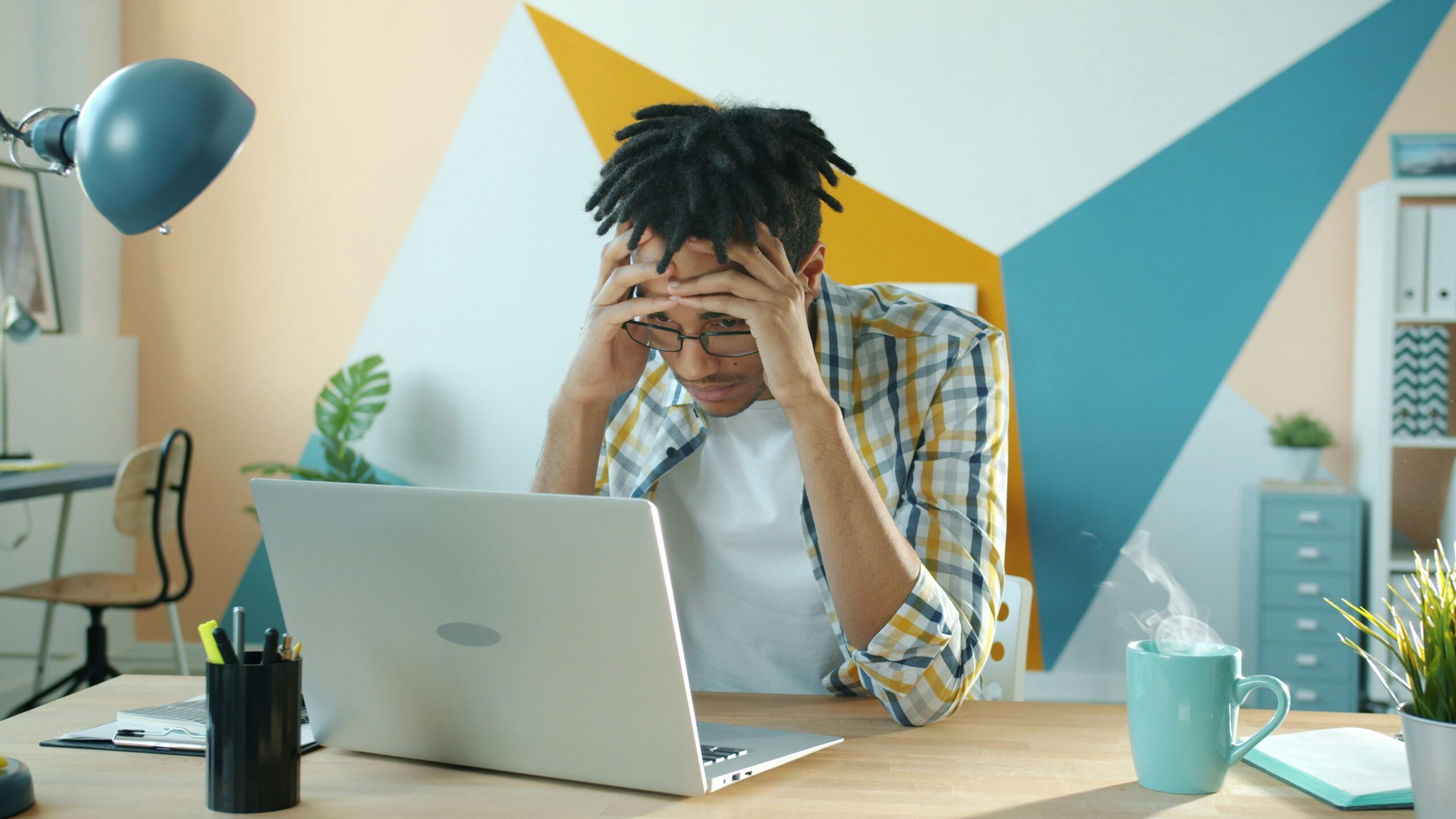
For many people, self diagnosis leads to more worry. When you Google your symptoms, the search engine shows you a variety of results, ranging from the relatively benign to the life-threatening. So, you might come to the conclusion that your condition is more serious than it is and experience unnecessary worry.
To put your worries at ease (or to find an accurate diagnosis), go see a local medical or mental health professional.
Keeping Yourself Healthy
Even if you have a mental or medical condition, living a healthy lifestyle will help you feel better. Through healthy eating, exercising, and taking care of yourself, you’ll release endorphins and have a healthier, stronger body.



 Dive into insightful articles on health and wellness, nutrition, fitness, mental serenity, and so much more.

