

Self-care is for everyone. In a world that often feels chaotic and overwhelming, taking time for oneself has never been more essential. While professional therapy can be a valuable resource for managing mental health, there are also numerous therapy techniques that people can try at home.
These self-help methods can empower individuals to take charge of their emotional well-being, reduce stress, and enhance their overall quality of life. In this article, we will explore some effective therapy techniques that you can easily incorporate into your daily routine, demonstrating that self-care truly is for everyone.
Why Self-Care Is for Everyone: Take Your Therapy Home
When most people think of mental health, they picture sitting on a couch and speaking to a therapist. And that’s a great way to take care of yourself! In fact, if you go on platforms like Talkspace or Cerebral, you can match with counselors who are trained and qualified to help you reach your goals.
However, not everyone has access to therapy. Without insurance, seeing a counselor might prove expensive. So, everyone needs to know about some therapy techniques they can try at home. As such, we’ve included our favorite approaches below!
Nevertheless, it’s important to note that the advice in this article should not serve as a substitute for therapy. When you see a real therapist, they’ll tailor the treatment specifically to you. Since this article has many readers, it can’t serve as a substitute for real therapy. So, don’t take this as professional advice and only adopt the self-care habits that work for you!
Mindfulness Meditation
One of the most powerful self-care practices is mindfulness meditation. It involves focusing your attention on the present moment, accepting it without judgment, and letting go of worries about the past or future. Regular meditation can reduce anxiety, improve concentration, and increase overall emotional resilience.
To get started, find a quiet space, sit or lie down comfortably, and concentrate on your breath. Inhale deeply through your nose, exhale slowly through your mouth, and repeat. Acknowledge any thoughts that arise, but gently bring your focus back to your breath. As you practice mindfulness meditation regularly, you will become more adept at managing your emotions and promoting self-care.
Mindfulness sometimes takes a while to get used to. After all, our fast-paced lives don’t often leave room for us to sit and breathe! But that’s part of the reason why people find it so relaxing, so you might want to give it a couple of chances.
Most people find meditation gets easier as time goes on. Eventually, they can to do it for longer!
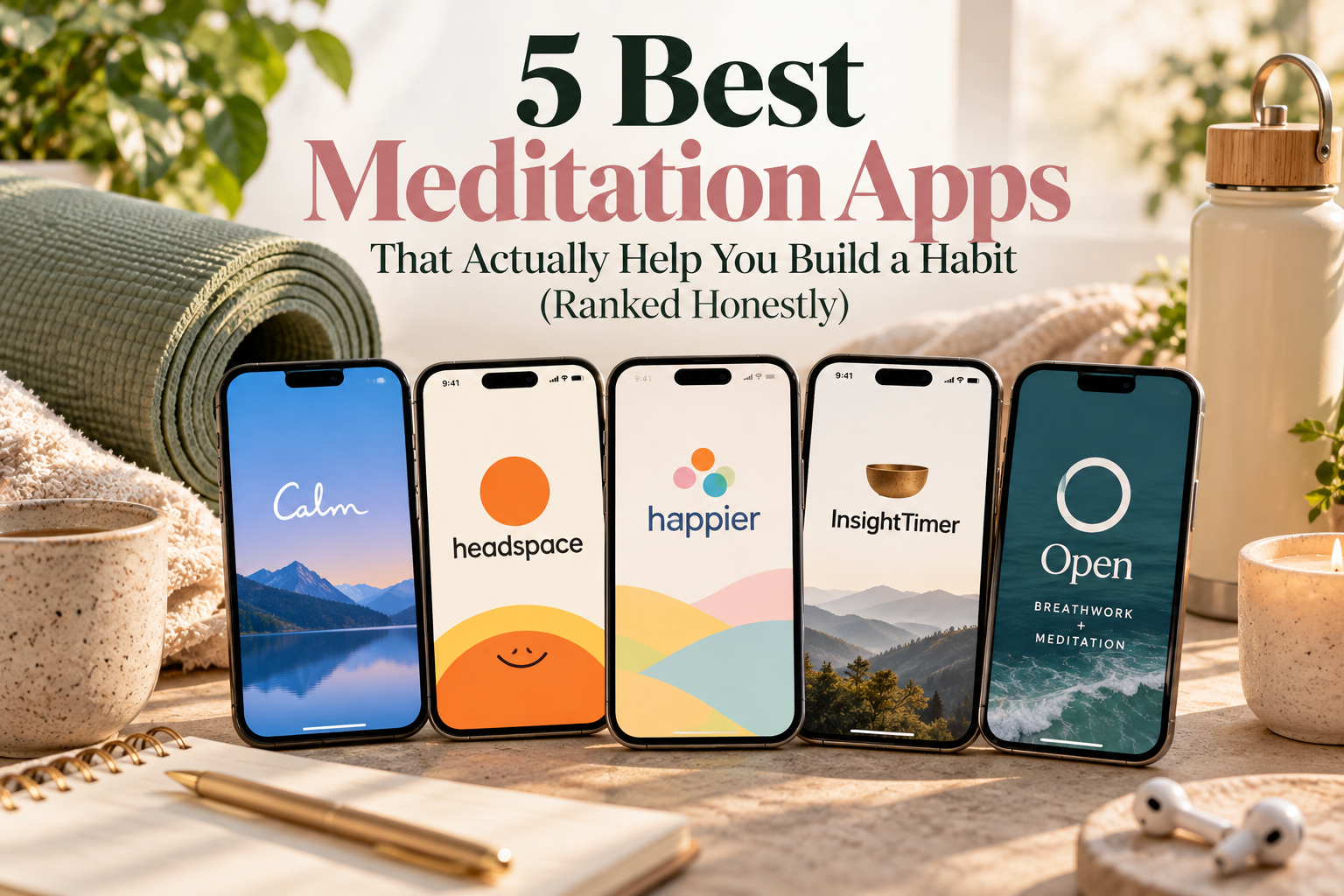
No matter what, you don’t have to try meditating alone. In fact, Headspace offers guided meditations that help you drown out the rest of the world. The instructors all have calming voices, and they give you instructions to help you focus.
Journaling
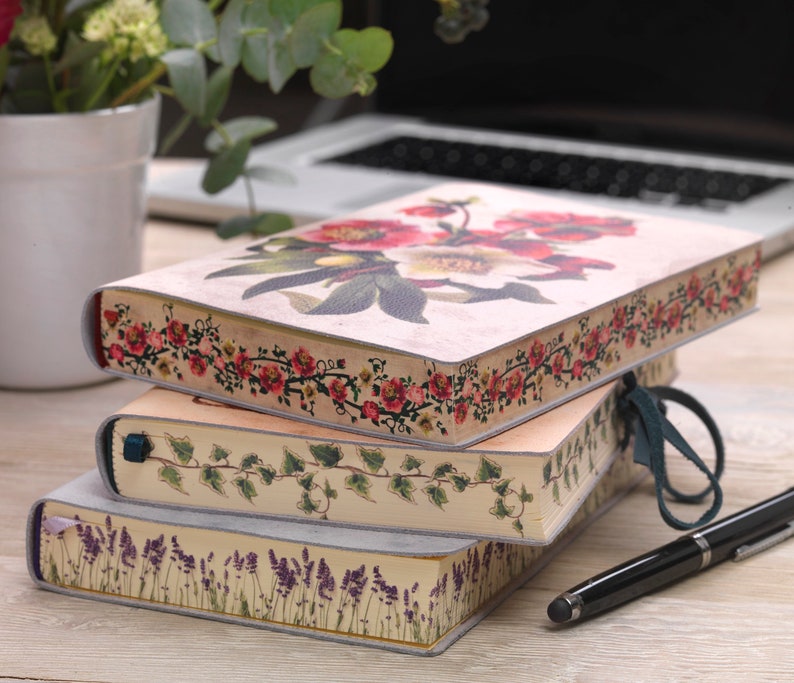
Journaling is a therapeutic technique that allows individuals to express their thoughts, emotions, and concerns in a safe and private space. Keeping a journal can help you gain insight into your feelings, track patterns, and identify areas of personal growth.
Try dedicating a few minutes each day to write down your thoughts and emotions. You can also use journaling to set goals, document achievements, and explore your dreams. Over time, this practice can help you cultivate self-awareness, which is a crucial aspect of self-care.
Specifically, gratitude significantly enhances your sense of well-being and self-care. Keeping a gratitude journal involves writing down things you are thankful for each day. It can be as simple as appreciating a warm cup of tea or a friendly conversation with a loved one.
By focusing on the positive aspects of your life, you can shift your mindset away from stress and anxiety. Cultivating gratitude is a powerful self-care tool that reminds us of the beauty in everyday life.
Sometimes, owning a cute journal motivates you to write in it more often. If you’re looking for journals, look at these cute options from Etsy!
Deep Breathing Exercises
Deep breathing exercises are simple yet effective techniques for managing stress and anxiety. When we are stressed, our breath becomes shallow, which can exacerbate feelings of tension and unease. Practicing deep breathing helps activate the body’s relaxation response.
Try the 4-7-8 technique: inhale for a count of four, hold your breath for a count of seven, and exhale for a count of eight. Repeat this cycle several times, and you will feel a noticeable sense of calm. Deep breathing can be done anywhere, making it an easily accessible self-care tool.
Progressive Muscle Relaxation
Progressive muscle relaxation is a technique that involves tensing and then relaxing different muscle groups in the body to reduce physical tension and promote relaxation. It can be particularly helpful for those who carry stress in their bodies.
Start by sitting or lying down in a comfortable position. Begin at your feet and work your way up, tensing each muscle group for a few seconds before releasing. Pay attention to the sensation of relaxation as you release each muscle group. Progressive muscle relaxation is an excellent way to unwind and take care of your physical and mental well-being.
Affirmations
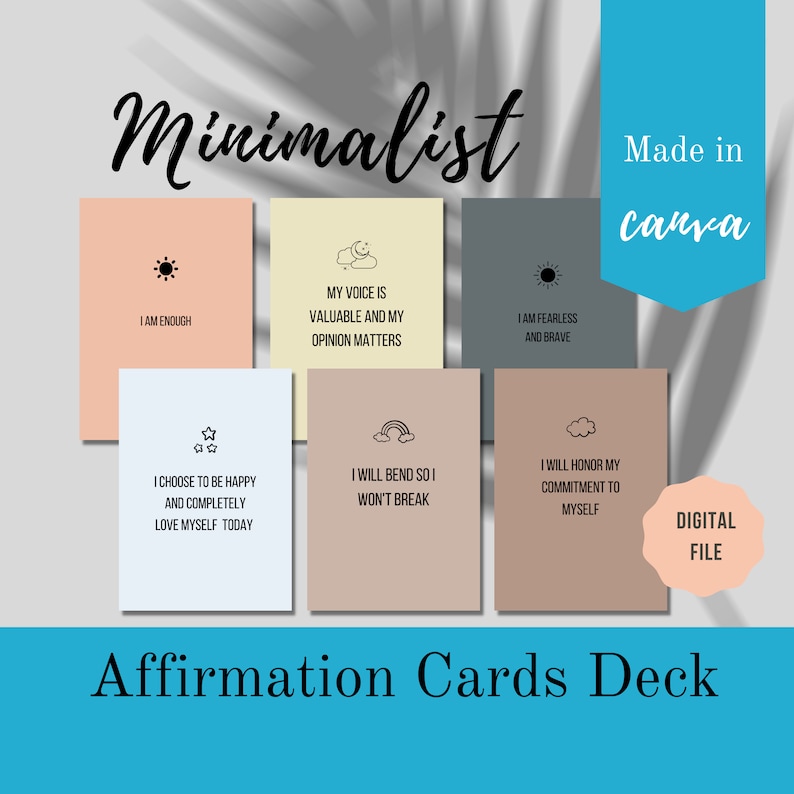
Positive affirmations are statements that reinforce self-esteem, self-worth, and optimism. Repeating affirmations can help reshape negative thought patterns and promote a more positive self-image.
So, create a list of affirmations that resonate with you and reflect your goals for self-care. Some examples include “I am deserving of love and happiness,” “I am strong and resilient,” and “I am in control of my own happiness.” Say these affirmations daily, either aloud or in your mind, to boost your self-confidence and reinforce the idea that self-care is for everyone.
If you want some suggestions for positive affirmations, these affirmation cards might help. Simply choose one (or five!) every day and repeat them to yourself.
Art Therapy
Art therapy is a creative self-care technique that allows individuals to express themselves through various artistic mediums, such as painting, drawing, or sculpture. You don’t need to be an artist to benefit from art therapy; it’s about the process, not the final product. Engaging in art can be a cathartic and therapeutic way to explore your emotions, reduce stress, and tap into your creative side. Set aside time for art therapy, and you may discover a newfound sense of self-expression and self-care.
If you’re wondering if finding a professional art therapist is worth it for you, you need to learn about what to expect.
Practice Self-Care More Frequently
In a world that often demands so much of us, self-care is for everyone. It’s not a luxury but a necessity for maintaining mental and emotional well-being. While professional therapy is invaluable, there are many therapy techniques that individuals can incorporate into their daily routines to promote self-care.
From mindfulness meditation to gratitude journaling, these practices can empower you to take charge of your emotional health, reduce stress, and enhance your overall quality of life. Remember, self-care is not selfish; it’s a fundamental aspect of leading a happy and fulfilling life. So, start today and prioritize your well-being because, in the end, self-care is for everyone.





 Dive into insightful articles on health and wellness, nutrition, fitness, mental serenity, and so much more.

