

Have you ever struggled with worries that spin around in your head? When people struggle with obsessive-compulsive disorder (OCD), they often find it difficult to break free of worrying thoughts. At times, these thoughts might seem all-consuming and make it difficult to get things done. If you’ve brought up these concerns to a mental health professional, they might suggest you get on Zoloft for OCD.
Of course, before getting on this medication, you deserve to know as much as possible about it. So, in this article, we’ll let you know whether or not it’s an effective treatment for OCD.
Zoloft for OCD: What You Need to Know
What Is OCD?

To understand what OCD is, let’s break down the acronym’s first two letters: O for obsessions, and C for compulsions.
In a person with OCD, an obsession consists of an intrusive thought that they ruminate over again and again. Obsessions take many forms, from worrying that someone will die to fretting over whether you’re really attracted to your partner. In fact, you can obsess over practically anything and have OCD!
But just because you have these thoughts occasionally doesn’t mean you have OCD. Most people can have a random, intrusive thought and then brush it aside. However, people with OCD start worrying that the thought might become true, regardless of how much sense it makes. This causes them to devote a lot of time to thinking about the thought and trying to negate it.
As you can imagine, this type of ruminating causes anxiety. Many people with OCD seek to “solve” their obsessions and gain relief via compulsions. Like obsessions, compulsions can take many forms. For example, the person who worries about someone dying might check the stove many times to make sure they actually turned it off.
In other people, the compulsions remain much more subtle. For example, a person who’s worried about being attracted to their partner might look at their partner and try to gauge how their body responds.
If these thoughts and compulsions have become too overwhelming for you, we highly recommend getting matched with a qualified mental health professional on Cerebral.
Do I Really Have OCD?
OCD is one of the most commonly misunderstood conditions, largely due to media portrayal.
Here’s what we mean: maybe you’ve stumbled across this article because you have exceptionally thorough cleaning habits. And even if that’s not you, you probably understand why someone with OCD might not realize they have it because the media so commonly portrays it as just being obsessively clean.
So, here’s a quick fact check: it’s true that someone who is ultra-clean might have OCD. But in order for the OCD diagnosis to apply in their case, the person needs to ruminate over something that causes them to clean a lot.
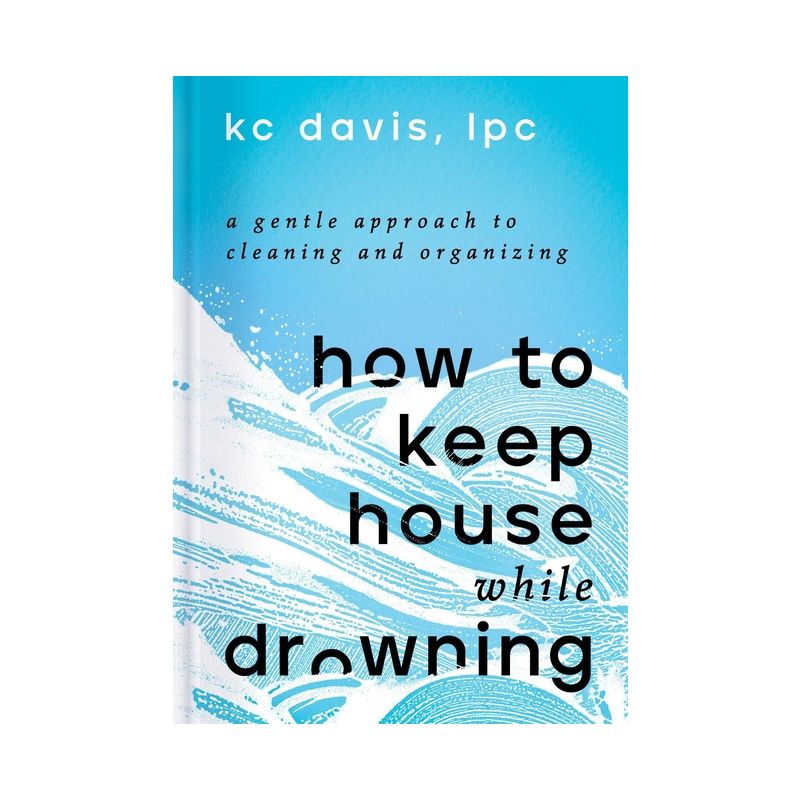
In fact, many people with OCD are not obsessively clean. Instead, their anxiety zaps their energy, leaving them with little reserve to keep up with common household chores. If you find you struggle with this, we highly recommend reading How to Keep House While Drowning, which is available at Target.
What Zoloft Does
Zoloft (sertraline) is a selective serotonin reuptake inhibitor (SSRI). Basically, that’s medical language for a medication that blocks the nerve cells from absorbing serotonin once it’s released. So, more serotonin stays in the brain.
As you may know, serotonin does a lot to keep us happy and emotionally regulated. When you have the proper amounts of serotonin, you feel more focused, happy, and less anxious. When serotonin gets low, depression and anxiety may set in.
Is Zoloft for OCD Helpful?

Because OCD is an anxiety disorder, Zoloft might be an appropriate prescription for someone with this condition. After all, the increased serotonin in the brain will lower the levels of anxiety around the obsessions. As such, the compulsions may also decrease or disappear. Many people with OCD have found that Zoloft is the key to a happier, more emotionally stable life.
But Zoloft isn’t the only treatment available for OCD. In fact, talk therapy also helps people with OCD cope with the challenges of living with this disorder. If you want to find a qualified therapist, visit Talkspace.
When Should I Worry About Side Effects?
However, Zoloft is not available over the counter, and for good reason. In some people, the medication may increase suicidal thoughts or behaviors. If this happens to you, tell your doctor immediately so that other arrangements for your treatment can be made. However, abruptly quitting Zoloft may also cause suicidal ideation, so following the advice of your doctor is crucial.
Zoloft also may increase bleeding in those who take blood thinners. If you’re on this type of medication, have a discussion with your physician before starting Zoloft. In fact, talk to your doctor if you ingest drugs of any kind, whether medicinal or recreational (this includes alcohol).
People who plan on becoming pregnant or breastfeeding their child should also talk to a doctor before taking Zoloft since doing so can pose risks.
Some milder side effects of Zoloft include nausea, diarrhea, and decreased libido. These effects may not warrant medical attention, and in some cases, they even go away after some time. Still, some people find them too intrusive to their daily lives. If your side effects concern you, please speak to your doctor.
If you’re looking for a physician who can prescribe Zoloft or answer your concerns, take a look at PlushCare.
In Conclusion
Zoloft for OCD often proves as a helpful solution for those suffering from obsessive-compulsive disorder. However, it may not be appropriate for everyone, so follow your doctor’s advice when deciding whether to take it.
If you’re struggling with your mental health, check out the rest of our mental health articles!





 Dive into insightful articles on health and wellness, nutrition, fitness, mental serenity, and so much more.

