

Jet-lag: the dreaded foe of every avid traveler. That lingering exhaustion and disorientation that comes after a long-haul flight can put a real damper on your exciting adventures. But fear not, dear wanderers! In this article, we’ll share some invaluable tips on how to get over jet-lag faster, so you can make the most of your precious travel time.
Tips and Tricks to Beat the Post-Flight Fatigue
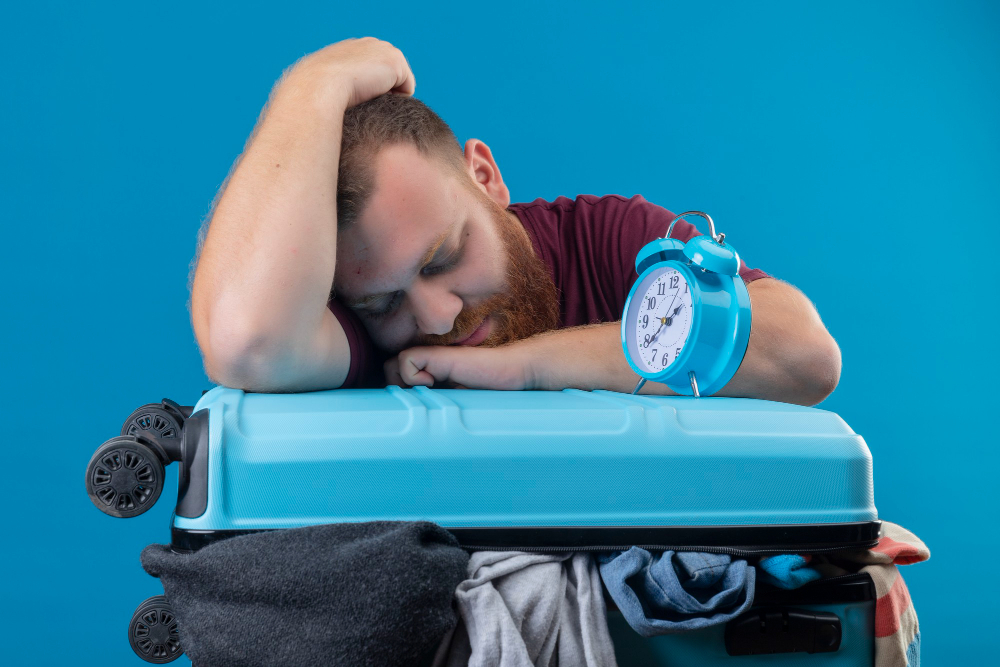
1. Adjust Your Sleep Schedule Before Departure
One of the most effective ways to combat jet-lag is to start preparing your body before you even step foot on that plane. A few days before your departure, gradually adjust your sleep schedule to match the time zone of your destination. This will help your body’s internal clock sync up with the new time zone, reducing the shock it experiences when you arrive.
2. Stay Hydrated In-flight
Air travel can be dehydrating, and dehydration can exacerbate jet-lag symptoms. Make sure to drink plenty of water during your flight and avoid excessive alcohol and caffeine consumption, as these can further dehydrate your body. Additionally, you can use hydrating sheet masks or some water face mist. Hydration is crucial to help your body cope with the stress of travel and adapt to the new time zone.
3. Get Some Sunlight Upon Arrival
Exposure to natural light is a powerful tool in regulating your body’s internal clock. When you reach your destination, spend some time outdoors and soak in the sunlight. Natural light helps signal your body when it’s time to be awake and when it’s time to sleep, making it easier to adjust to the new time zone.
4. Take Short Naps Strategically
It can be tempting to crash on the hotel bed as soon as you arrive, but taking long naps can disrupt your sleep schedule further. Instead, opt for short power naps to help you stay awake during the day. Keep them to around 20-30 minutes to avoid falling into a deep sleep that will make you groggier upon waking.

5. Use Jet-Lag Supplements
There are several jet-lag products available in the market that claim to alleviate symptoms and help you adjust to new time zones faster. These include natural supplements, sleep aids, and light therapy devices. While the effectiveness of these products varies from person to person, some travelers find them beneficial in reducing the impact of jet-lag.
6. Stick to Local Time for Meals and Activities
As soon as you arrive at your destination, try to adapt to the local time for meals and activities. Having meals at the appropriate local times can help your body’s internal clock adjust more quickly. Additionally, engaging in activities that align with the new time zone can also aid in resetting your body’s rhythm.
7. Avoid Heavy Meals and Strenuous Activities Before Bed
Eating heavy meals and engaging in strenuous activities close to bedtime can disrupt your sleep quality. To improve your chances of a good night’s sleep, have a light meal in the evening and avoid vigorous exercises a few hours before bedtime. Instead, opt for relaxing activities like reading or meditating to help you wind down.
Conclusion
Jet-lag is an inevitable part of long-distance travel, but with the right approach, you can minimize its impact and get back to exploring and enjoying your trip in no time. By adjusting your sleep schedule before departure, staying hydrated, getting sunlight, strategic napping, using jet-lag products, sticking to local time, avoiding heavy meals before bed, and being patient with yourself, you can get over over jet-lag faster and make the most of every travel adventure.
So, next time you embark on an international journey, remember these valuable tips on how to get over jet-lag faster. Happy and safe travels!
Disclaimer: The information provided in this article is for informational purposes only and should not be considered as medical advice. If you have health concerns or specific questions about dealing with jet-lag, consult with a healthcare professional.






 Dive into insightful articles on health and wellness, nutrition, fitness, mental serenity, and so much more.

