

There’s something people use every day, even if they don’t know the term for them: executive function skills. By the time someone reaches high school, chances are they’ve learned numerous executive function techniques without even realizing it. After all, life requires people to plan and organize their lives in a way that helps them remain healthy and efficient.
Executive Function Disorder
However, if someone has executive dysfunction, they struggle to complete some tasks that are essential to living. In particular, people who have conditions like autism, ADHD, OCD, depression, anxiety, Alzheimer’s, bipolar disorder, and schizophrenia may find them particularly difficult.
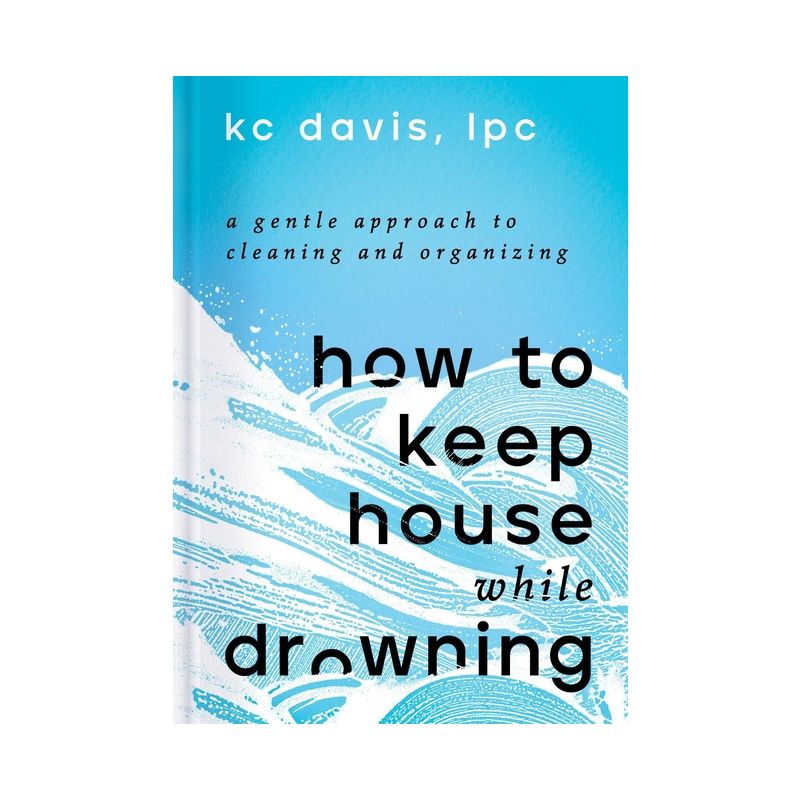
Therapist and author K.C. Davis calls these responsibilities “care tasks.” In the book How to Keep House While Drowning, available at Target, Davis emphasizes that these tasks remain morally neutral. That is, people who have to fight through exhaustion or depression to do them are not bad or lazy.
In fact, many of them demonstrate resilience, since they manage to live despite the additional effort they have to expend.
So, if you recognize yourself in this article, remember that there’s no shame in having difficulty. Everyone has difficulty with something! And fortunately, ways to thrive exist. Below, we’ll get into what the different executive functions are and how you can improve them.
Planning and Organization
Life requires a lot of planning and organization. Most adults have many competing responsibilities, including work, children, and the upkeep of a home. Some attend school or need to add extracurricular activities and friends into their schedules.
Yet, people who have difficulty with executive function skills find these activities exhausting. They may fight to start or finish them or leave projects half-down.
Sometimes, this impacts a person’s ability to keep their home orderly. As such, they sometimes begin comparing themselves to others in their lives. In addition, they may become depressed, or their depression may worsen.
If this sounds like you, here’s what Davis recommends: work on sections of your home at a time. For instance, one day, clean just your bedroom or a corner of it (whatever you find easy to do). Then, the next day, work on another portion. Eventually, you’ll clean your whole home!
People who struggle to plan and cook meals also have a few key options. For example, searching for “meals for executive dysfunction” provides thousands of easy-to-make options.
Some also find delivery services helpful. Nutrisystem offers a variety of delicious and healthy meal options that keep your whole family fed and satisfied!
Time Management
Have you ever gotten sidetracked and then looked at the time to discover hours have passed? If so, you may struggle with time management.
The ability to manage time first becomes important when children go to school. As the homework gets harder, they need to know when it’s due and can complete it by then. So, once someone grows into an adult, people assume they manage their time well.
Still, conditions like ADHD, depression, and OCD make time management a challenge. People with these conditions often find it difficult to start projects and allocate the proper amount of time to them. Some rely on the urgency of a last-minute deadline to kick their motivation into gear, and some turn in work late.
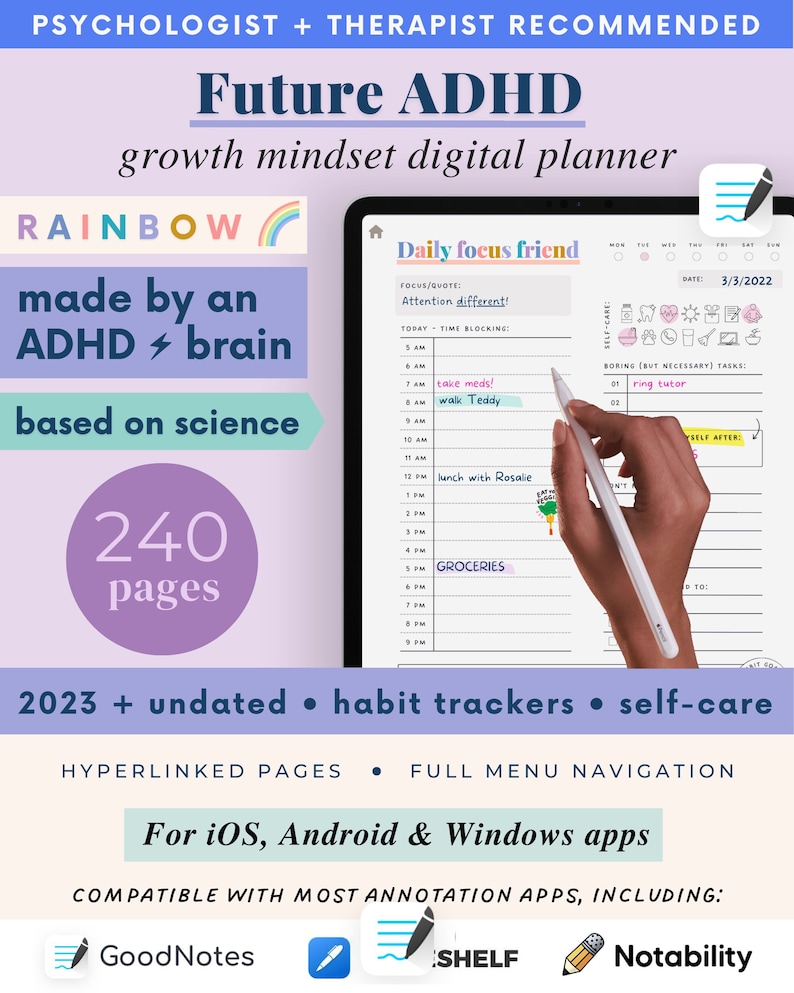
Many tools for helping people manage their time exist. Planners, like the ones available on Etsy, give you the ability to map out your days visually. Other options include programs that block internet access for a period of time so people have an easier time focusing.
Managing Emotions
Emotions don’t just impact our interior world. Instead, they sometimes seep out and affect the way we interact with our environment.
People who have trouble with executive function sometimes also struggle to manage their emotions. They often feel more easily overwhelmed or irritated, making it harder to get through the day.
If you’re experiencing intense emotions, you may benefit from seeing a therapist. Making an account on Cerebral allows you to get matched with a counselor who meets your needs.
Alternatively, some people benefit from a medical option. PlushCare has a lot of doctors and mental health professionals available, so can find affordable care!
Find Your Rhythm
When you have trouble with executive function skills, you probably have trouble finding a good and productive rhythm. With the advice above, you’ll hopefully be able to get started!
If you want more mental health articles, check out this page!







 Dive into insightful articles on health and wellness, nutrition, fitness, mental serenity, and so much more.

