

If you constantly wrestle with the effects of trauma, you’ll want to find the best road to recovery. After all, reliving the memories and feeling stuck in the emotions often proves exhausting and makes you feel like there’s no hope. Here’s some good news: effective, science-backed treatment exists with brainspotting and EMDR. But what’s the difference between brainspotting vs EMDR?
Trauma and the Brain
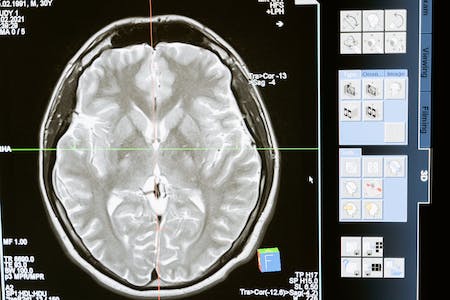
To understand EMDR, you need to comprehend how the brain stores and responds to information. Certain psychological problems get placed in specific areas of the brain. For example, anxiety and trauma both stem from the amygdala.
As the brain’s chief emotional processing area, the amygdala makes impulse-based decisions. It also determines the extent to which an emotional experience is positive or negative. Most crucially, it shuts down the prefrontal cortex, which serves as the brain’s reasoning center when it detects danger. Then, it activates the fight, flight, or freeze responses.
When a person experiences a traumatic event, adrenaline floods the body, and the event gets stored in the amygdala. Then, when the person receives sensory input that reminds the amygdala of the traumatic event, this area of the brain interprets an otherwise regular situation as a dangerous one. The amygdala shuts the prefrontal cortex down and puts the body on the defense.
As such, the amygdala serves as the reason people feel “stuck” in the emotions and anxiety associated with trauma.
Differences Between Brainspotting vs EMDR
What Is EMDR?

EMDR stands for eye movement desensitization reprocessing. In 1987, Francine Shapiro developed this type of therapy to treat post-traumatic stress disorder (PTSD). Since then, therapists have used it to treat trauma, anxiety, unhelpful habits, and other challenging issues.
Specifically, EMDR targets these issues via bilateral stimulation. To do this, a trained therapist uses their hands, a light, tappers, or headphones to activate different areas of the brain. In many cases, the clients are asked to move their eyes back and forth. While this happens, the client is asked to relive the traumatic event.
The therapist then guides the client through specific steps.
Bilateral stimulation triggers different parts of the brain. Theoretically, reliving the traumatic event while activating these parts releases more of the brain’s resources. Then, the person can reprocess the trauma more helpfully.
Is EMDR Reliable?
Even though EMDR is a relatively new form of treatment, it boasts an established reliability. Since Shapiro created it, EMDR has been the subject of 36 controlled and randomized studies, which supported it as a treatment for trauma.
Further, the American Psychiatric Association (APA) and the World Health Organization (WHO) promote the use of EMDR to address trauma.
As such, if you find an EMDR-certified therapist, you stand a good chance of obtaining some relief from your trauma.
What Is Brainspotting?
At first glance, the differences between brainspotting vs EMDR don’t seem large. After all, David Grand developed brainspotting out of EMDR.
Like EMDR, brainspotting may involve bilateral stimulation. However, instead of having the client move their eyes back-and-forth, brainspotting asks the client to focus their gaze on a specific point.
During the reprocessing, the therapist asks the client to focus on their current bodily sensations. In addition, the therapist endeavors to create a sense of felt safety for the client.
The most significant difference between EMDR and brainspotting lies in what the client focuses on. Unlike EMDR, brainspotting doesn’t urge the client to bring a clear, specific memory into view. This allows for more organic reprocessing. Sometimes, clients report getting to process several traumatic issues at once.
In a further attempt to help the client reprocess organically, a brainspotting therapist only employs minimal interventions. They also don’t guide the client through steps.
Is Brainspotting Reliable?
Brainspotting is even newer than EMDR. As a result, not enough research exists for many experts to wholeheartedly endorse it.
However, some of the research that exists supports brainspotting. In fact, some study participants even reported experiencing greater relief with brainspotting than with EMDR.
Get Treated with Brainspotting or EMDR

No matter which modality you choose for your treatment, finding the right practitioner remains crucial.
Here’s what you need to know: the people who practice these forms of therapy hold licenses in mental health treatment. They might work as a counselor, psychiatrist, psychologist, or social worker.
To get these types of treatment, though, you’ll need to find someone with a special, additional certificate in either brainspotting or EMDR. For the best results, look at each option’s special areas of practice.
You can also reach out to them and ask about their trauma treatment training and options.
Your Path to Feeling Better
Regardless of which treatment type you choose, we believe you deserve to feel better. Keep in mind that while these treatments are well-supported, everyone has different needs. So, follow the advice of your mental health professional and give them feedback about what works for you.






 Dive into insightful articles on health and wellness, nutrition, fitness, mental serenity, and so much more.

