

Have you ever wondered about the difference between anxiety vs. stress? Both of these terms get used more or less interchangeably. However, they actually are two very distinct things, and the treatments for them look slightly different. To recover properly, you need to understand the difference between anxiety vs. stress and know how to target each one.
Before we start, it’s important to understand that almost everyone experiences both stress and anxiety at points in their lives. In fact, as with all other emotions, anxiety and stress can be helpful in the right amounts, and they provide you with key clues to what you need to do to take care of yourself. Understanding anxiety and stress can help you learn what’s healthiest for you.
What’s the Difference Between Anxiety vs. Stress?
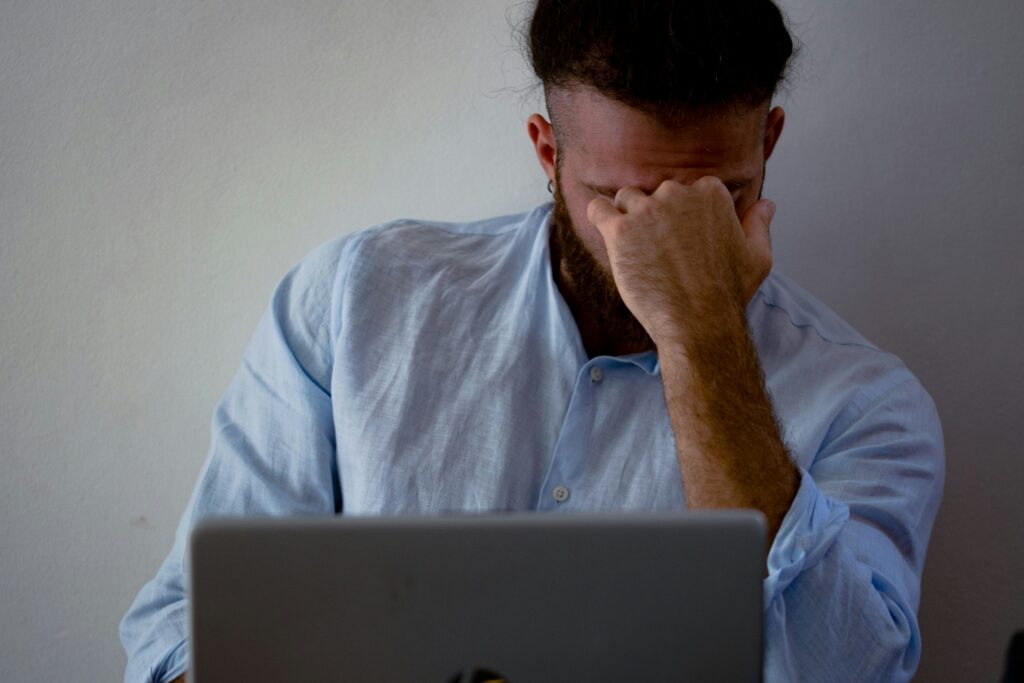
When we talk about anxiety vs. stress, we first have to define the two words. Anxiety refers to a tense internal state marked by worry and physical symptoms, such as a rapid heartbeat, headaches, sweating, or panic attacks. Stress is also a tense internal state that can involve worrying and some physical symptoms that overlap with anxiety.
What’s the difference between anxiety vs. stress, then? It lies in whether the trigger is internal or external and how long the symptoms last. When you have anxiety, the cause of your symptoms comes from inside of you. While you might worry about specific things, such as work, you may also worry about vaguer subjects, such as your ability to succeed as a person or whether your loved ones will be alright. Anxiety also doesn’t resolve once there’s been a resolution to your worries.
Stress, on the other hand, comes from an external trigger, such as a work presentation or playing in a big game. It usually peaks prior to or during a specific situation. Afterward, the sufferer feels relief, and the stress doesn’t continue.
| Symptom or characteristic | Stress | Anxiety |
|---|---|---|
| Common triggers | Often connected to identifiable pressures or demands | May involve specific concerns or worries without an obvious trigger |
| Excessive worrying | Usually focused on a particular challenge or responsibility | May involve persistent worries about several situations or possible outcomes |
| Rapid heartbeat | Common | Common |
| Muscle tension | Common, especially in the neck, shoulders, and back | Common, sometimes accompanied by restlessness |
| Trouble sleeping | Often associated with demanding schedules or stressful events | May involve difficulty sleeping because of persistent worry |
| Difficulty concentrating | May occur when responsibilities feel overwhelming | May occur when anxious thoughts interfere with attention |
| Irritability | Common | Common |
| Digestive discomfort | May include stomachaches, nausea, or changes in appetite | May include nausea, stomachaches, or digestive discomfort |
| Duration | May be brief or continue for weeks or months | May be temporary or persistent, even when no immediate threat is present |
| Response to relief | May improve when demands decrease or circumstances change | May continue despite reassurance or the resolution of a particular concern |
Because these symptoms overlap, you can’t reliably distinguish anxiety from stress based on physical symptoms alone. Both can occur together, and persistent symptoms may warrant an evaluation by a healthcare professional.
Related: Signs of Burnout You’re Probably Brushing Off (And How to Actually Recover)
How Can You Tell If You’re Experiencing Anxiety or Stress?

Recognizing anxiety vs stress in everyday life often comes down to looking at what’s happening around you, how you’re responding, and whether those feelings continue after a difficult situation has passed. Stress commonly develops when you’re facing demands that feel challenging or overwhelming, while anxiety often involves persistent worry or apprehension about what might happen. However, the two can overlap, and it’s possible to experience both at the same time.
Consider a situation where you’ve got an important presentation coming up at work. You might feel tense, have trouble concentrating, or notice your heart beating faster as the presentation approaches. Those reactions could be signs of stress, particularly if they improve once you’ve finished presenting. You may still feel nervous about future presentations, but that doesn’t necessarily mean you have an anxiety disorder.
Now imagine that the presentation is over, everything went reasonably well, and you’re still worrying about whether your coworkers thought you sounded incompetent. You replay conversations in your head, imagine potential consequences, and struggle to stop thinking about what could go wrong next. This type of persistent worry may be more characteristic of anxiety, especially if similar patterns appear across different areas of your life.
The distinction isn’t always obvious, though. Someone experiencing financial difficulties, for example, may have ongoing stress because their circumstances remain challenging. They might also develop anxiety about future expenses or situations they can’t control. Likewise, a person with anxiety may notice their symptoms becoming more intense during particularly stressful periods.
Pay attention to whether your symptoms are affecting your sleep, relationships, concentration, or ability to complete everyday responsibilities. Occasional nervousness and stress are normal, but persistent or overwhelming symptoms deserve attention. If you’re regularly avoiding activities because of fear, struggling to manage your worries, or feeling distressed even when things seem relatively calm, speaking with a mental health professional can help you understand what’s happening and explore appropriate treatment options.
Related: 5 Best Magnesium Supplements for Sleep and Stress
Coping Skills for Anxiety vs. Stress
Although anxiety and stress are similar, their differences mean that the proper coping techniques are slightly different. For stress, you’ll need quick strategies that work when the external triggers are starting to worry you. Anxiety, on the other hand, requires a more targeted and long-term approach, since the trigger’s locus is internal. Regardless of whether you have anxiety vs. stress symptoms, exercising consistently helps you manage both! If you’re in need of inspiration for exercise routines, try Fitness+ from Apple.
Coping Skills for Anxiety
When you’re anxious, you may feel like your worries are never-ending. After all, people with chronic anxiety often experience fears about many things, and your anxious thoughts might spin around and around in your head. Making the anxiety more bearable, then, involves using coping skills that interrupt your anxious thoughts and calm your nervous system.
1. See a Psychiatrist
If your anxiety proves difficult to manage, you may benefit from seeing a psychiatrist. Psychiatrists are medical doctors who specialize in mental health, and they can thoroughly assess your symptoms. If needed, they may prescribe some anti-anxiety medication for you. You can also take some over-the-counter anti-anxiety supplements from iHerb.
2. Practice Deep Breathing
Anxiety involves an activation of your fight, flight, and freeze system. It works well for people when there’s actual danger because it primes the body to get away and survive. However, sometimes your brain can’t tell the difference between danger and having to give a speech.
When you’re in this state, your breaths become shallower and quicker. Taking slow, deep breaths cues your brain to realize that you’re actually in a safe situation. As a result, your body relaxes.
3. Resist the Thought Spirals
Anxious people often feel like their thoughts are in a loop, and they think about things over and over again in hopes of landing on the “right” solution. However, this search for certainty often just leads to more uncertainty, and it fuels the anxiety. As such, if you experience these spiralling thoughts, try to become aware of when your thought spirals are happening and do your best to distract yourself and disengage.
If you’re having trouble resisting the thought spirals, try guided meditation. The Calm app has a vast library of guided meditations designed to help you stay in the moment and out of your thought spirals. Its meditations come in various lengths, making it perfect for beginners and advanced meditators alike! If you don’t like meditation, try listening to some calming music!
Related: How to Stop Overthinking: Techniques That Work When Your Brain Won’t Quit
Coping Skills for Stress
Just because stress ends once the trigger is over doesn’t mean it’s less distressing than anxiety. Coping skills for stress are designed to give you quick relief, at least enough to help you get through the distressing event! Remember, the stress should lessen or disappear after the distressing event occurs.
1. Reframe Your Thoughts
Most of your stress comes from thinking about the stressful event. As such, if you can change your thoughts, you can lessen your stress. These changes, known as reframes, take a specific thought and change it into something more positive. For example, change “If I don’t do well on the presentation, I won’t get the raise,” to “I have an opportunity to get a promotion. I’m well-prepared and am doing everything in my control to get it.”
2. Don’t Procrastinate
Procrastinating only delays the stress. Instead of procrastinating, break your stressful event into smaller steps. Then, do one of the small steps to help you get the moment going! Doing it this way will help you feel more confident and prepared.
Related: What Is Seasonal Affective Disorder and How to Manage It Through Winter
Thriving with Anxiety vs. Stress Symptoms

Now that you know whether your symptoms are more consistent with anxiety or stress, you’ll be able to more easily manage them. You may have to try a few techniques to see which ones work best for you. After all, everyone is different and responds differently to coping skills!
If you’re wanting to deal with your anxiety vs. stress symptoms in a more in-depth way, consider speaking to a mental health professional. Counselors, psychologists, social workers, and psychiatrists can all diagnose and treat you. That way, you can clearly know whether your symptoms are more consistent with anxiety vs. stress and get customized treatment!
Read Next: How to Build a Self Care Routine You’ll Stick To in 2027




 Dive into insightful articles on health and wellness, nutrition, fitness, mental serenity, and so much more.


