
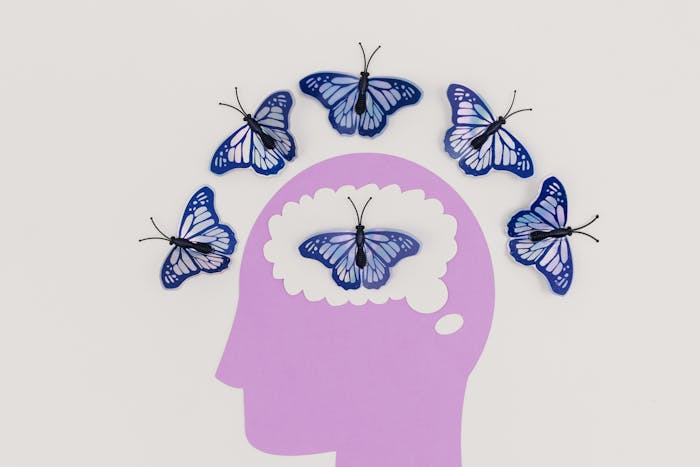
If you feel like you see the world from a different perspective, you’ve probably wondered to yourself, “Am I neurodivergent?” This can be a tough question to answer, as there isn’t just one type of neurodivergent behavior. There are many! While most people are familiar with Autism, there are several other types of neurodivergence worth discussing.
We understand that the thought of being diagnosed as neurodivergent can be scary. However, it’s important to remember that neurodivergence is not an illness but simply a different working of your brain. By understanding what makes you unique, you can start to celebrate your strengths and differences!
What It Means to Be Neurodivergent
Neurodivergence is a generic term used to describe people whose brain processes information differently than the typical population. As such, they may have different actions, behaviors, or mental functions than those of the general society (which people refer to as neurotypical).
Being neurodivergent was previously thought to be an illness. However, as we learn more about the different forms, medical and mental professionals agree that this is no longer the case. People interact and deal with the world in different ways, and there is no right or wrong way to do so. Therefore, it is believed that the impact is largely a social one.
What Are the Different Types of Neurodivergence?
There are many different ways for people to be neurodivergent. Some are more prevalent than others, but all of them can be considered outside of the more common neurotypical behaviors.
To explain this in more detail, let’s go over some of the conditions that may affect neurodivergent individuals.
Autism
Sometimes referred to as Autism Spectrum Disorder (ASD), Autism is a wide range of traits that impact an individual’s social skills and communication. People with autism can exhibit a wide range of traits and may fall anywhere on a spectrum of mild to severe.
- Challenges in social interaction
- Repetitive behaviors
- Sensory aversions or sensitivities
- Prefers routines and rituals
- Difficulty understanding non-verbal behaviors
ADHD
Attention Deficit Hyperactivity Disorder, commonly referred to as ADHD, affects how people manage their thoughts, behaviors, and actions. People with ADHD often struggle with organization and staying focused, although they may also exhibit traits associated with high bursts of energy. Symptoms include:
- Difficulty staying focused
- Acts impulsively
- Hyperactivity
- Poor organization or time-management
- Creative thinking
- Forgetful
Given these symptoms, it’s helpful to remember that not all people with ADHD will demonstrate all of them. For example, a person with the inattentive type of ADHD may only have difficulty with organization or staying focused. A person with the hyperactive type, on the other hand, may show more impulsive behaviors. Any combination of these symptoms is possible!
Obsessive Compulsive Disorder
People with Obsessive Compulsive Disorder (OCD) suffer from intrusive thoughts that cause extreme anxiety. To relieve the anxiety, they perform repeated compulsions, which can be either physical or mental. An example of a compulsion might be checking if the stove is off over and over again because the person repeatedly thinks they’re going to burn the house down (intrusive thought). Symptoms include:
- Rumination over intrusive thoughts. If you’re ruminating, you spend a lot of time turning the thoughts over and over in your head
- Heightened anxiety
- Feeling as if you must perform the compulsions or something bad will happen
Dyslexia
People with Dyslexia generally have trouble with reading, writing, and/or speaking. However, this difficulty is often caused by confusing letters and words or misunderstanding sentences. Symptoms include:
- Difficulty with reading or slow reading rate
- Poor spelling
- Difficulty decoding words
Dyscalculia
Dyscalculia is a type of neurodivergence that impacts an individual’s mathematical abilities. People with Dyscalculia may have trouble with mental figuring, which can affect how they remember numbers or perform calculations.
- Challenges with basic arithmetic
- Poor memory with numbers
- Difficulty with quantities or formulas
- Creative writing and problem-solving strengths
Dyspraxia
Dyspraxia or DCD (Developmental Coordination Disorder) is a specific learning disability that affects one’s motor skills. Difficulties may include poor hand-eye coordination or spatial recognition. Because of these challenges, people with Dyspraxia have trouble with certain tasks like writing or playing sports.
- Clumsy in movements
- Challenges with organization
- Short-term memory
Am I Neurodivergent?
If you’re asking “Am I neurodivergent?” and recognize yourself with any of the above traits, then you may be. However, you should first speak to a licensed medical professional or counselor, as they are the only ones who can perform a formal diagnosis.
Ways to Cope with Neurodivergence
If you or someone you know is diagnosed as neurodivergent, remember that this is not a limitation or illness. Being neurodivergent simply means that your brain works in different ways than what is expected from others. As with everyone else in the world, you have your own strengths and talents that make you special.
With that in mind, there are some ways to help you cope with this new adjustment.
Acknowledge Your Abilities
Coming to terms with a diagnosis is often the hardest task. However, knowing about your strengths and limitations can be a relief for many people. Take the time to research about your specific neurodivergent traits (reading books can be very beneficial) to help you during this process.

Seek Professional Help
There’s no shame in speaking with a mental health professional about your neurodivergence. They can often provide tips, tricks, and strategies to help your specific needs. Ideally, you’ll want to look for a licensed therapist or counselor that specializes in neurodivergence.
Broaden Your Network
Some neurodivergent individuals may have trouble with social situations. However others may find it beneficial to widen their social network or seek support from loved ones. Surrounding yourself with friends and family members can create a positive community for you to thrive. Having people who care about you can help make the acceptance period and transition easier to deal with.
Find Your Hobbies
Hobbies can be very important for neurodivergent individuals. Not only can it be a form of self-expression, but it can also help you relax and regain clarity. Therefore, don’t be afraid to focus on hobbies that you find interesting. Whether it’s writing, painting, reading, or playing an instrument, you might find that your hobbies help with emotional regulation.
Have Compassion for Yourself
It’s important to remember that being neurodivergent doesn’t mean there is something wrong with you. In fact, it’s quite the opposite! People with neurodivergent tendencies have their own unique strengths that they should celebrate as much as they can.
If you’ve been wondering, “Am I neurodivergent?” you should first speak with a medical professional. While there are many online quizzes and personality tests, only a doctor can make a final diagnosis. And if you’re struggling with certain things, then therapy, hobbies, or social activities.







 Dive into insightful articles on health and wellness, nutrition, fitness, mental serenity, and so much more.

