

Did you know that 63% of the U.S. adult population reports consuming alcohol regularly? In addition, millions of people use drugs, ranging from marijuana to much harder substances. Sometimes, people who consume drugs and alcohol wonder whether their use has turned into addiction.
Luckily, for those who need help overcoming addiction, a whole field of mental health professionals exists. Addiction therapy addresses the root of each person’s substance abuse and helps them develop adequate coping skills.
But not everyone who uses substances needs addiction therapy. If you’re wondering “When should I look for addiction counseling near me?” you’re in luck. In this article, we get into when substance use turns into substance abuse and when you need to seek external help.
When Should I Look for Addiction Counseling Near Me?
Substance Use vs. Substance Abuse
Saying that everyone who uses a substance every once in a while needs “addiction counseling near me” would be a stretch. After all, plenty of people drink alcohol and use less intense drugs like marijuana on a somewhat regular basis. These substances aren’t particularly good for your health. However, some people can still live overall healthy, balanced, and fulfilling lives.
However, substance use turns into substance abuse when a person starts noticing it impacting their lives. Examples include, but are not limited to:
- Showing up intoxicated to work or school
- Relationship issues
- A dip in performance at work or school
- Spending more than one can afford on drugs or alcohol
- Anger management problems
- Driving under the influence (DUI)
- Devoting large chunks of time and mental energy to obtaining and consuming the substance
If you currently overuse substances, hydration is key. After all, water helps you flush out these toxins.
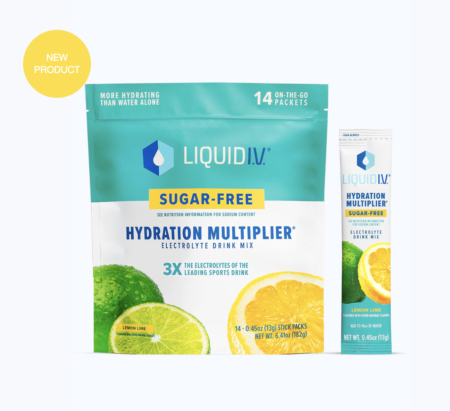
To get more hydration out of your water consumption, try Liquid I.V. These packets dissolve into your water and increase your hydration.
Substance Use Disorders
Several substance use disorders (SUDs) exist, and many people who develop drug and alcohol addictions have them. While an existing diagnosis isn’t required for seeking treatment, you will want to seek out help if you think you might have one.
Here are some examples of SUDs:
- Alcohol Use Disorder – A habit of consuming alcohol that leads to frequent impairment or personal distress. People who have this disorder may drink for longer periods than intended and struggle to control how much they drink. In addition, they might struggle in areas such as work or school.
- Cannabis Use Disorder – The consistent taking of cannabis to the point of significant intoxication or personal distress. Like Alcohol Use Disorder, people who have Cannabis Use Disorder may take the drug for longer periods than intended. Likewise, they may struggle to reduce their consumption.
- Hallucinogen-Related Disorders – This cluster of disorders addresses the use of hallucinogens. The symptoms of these disorders often include consistently taking hallucinogens and impairment at home or work/school. Additionally, people who take these drugs may continue to do so even when they know it hurts their physical and psychological health.
Please don’t consider either of the above lists exhaustive. If you’re experiencing any of these issues or other problems related to substance use, start looking for “addiction counseling near me.”
But when you’re attempting to overcome addiction, you’re likely to face some tough emotions. In the past, mindfulness and meditation have helped people work through these difficulties. If you need help finding that inner peace, take a look at the guided meditations on Headspace.
What to Look For in an Addictions Counselor
If you’re ready to turn your life around today, the first step lies in finding the right counselor. The relationship between the client and the therapist serves as the biggest indicator of a positive outcome. So, don’t feel like you have to stick with someone who isn’t a good fit!
Start by Googling “addiction counseling near me.” Then, go through the list of recovery sites and look at their counselors. You should see some letters after their names that indicate they’re licensed and certified. In particular, look for either a therapist, psychologist, social worker, or psychiatrist who specializes in substance use.
If you want to look for help online, try Talkspace. This platform connects you with qualified therapists from the comfort of your home.

What to Expect During Treatment
When you seek out “addiction counseling near me,” you might experience some nerves. In these cases, knowing what to expect helps.
In general, there are two types of treatment: inpatient and outpatient. Inpatient treatment takes place when the client moves into the therapeutic center for some time. On the other hand, outpatient therapy involves the person going to and from the treatment center. During this time, they stay at their own home.
When you get treatment, you might receive individual therapy, group therapy, or both. In individual therapy, you meet with a therapist one-on-one and get personalized, science-backed treatment. Group therapy consists of several clients meeting with a therapist at the same time. The group format allows them to get support from each other as well as the mental health professional.
Get Addiction Help
Addictions aren’t something to be ashamed of. After all, life is hard, and we all have our coping mechanisms. But if your substance use turns into substance abuse, finding “addiction counseling near me” makes all the difference.
If you’re struggling with your mental health as you go through the recovery process, check out our other mental health articles!





 Dive into insightful articles on health and wellness, nutrition, fitness, mental serenity, and so much more.

