
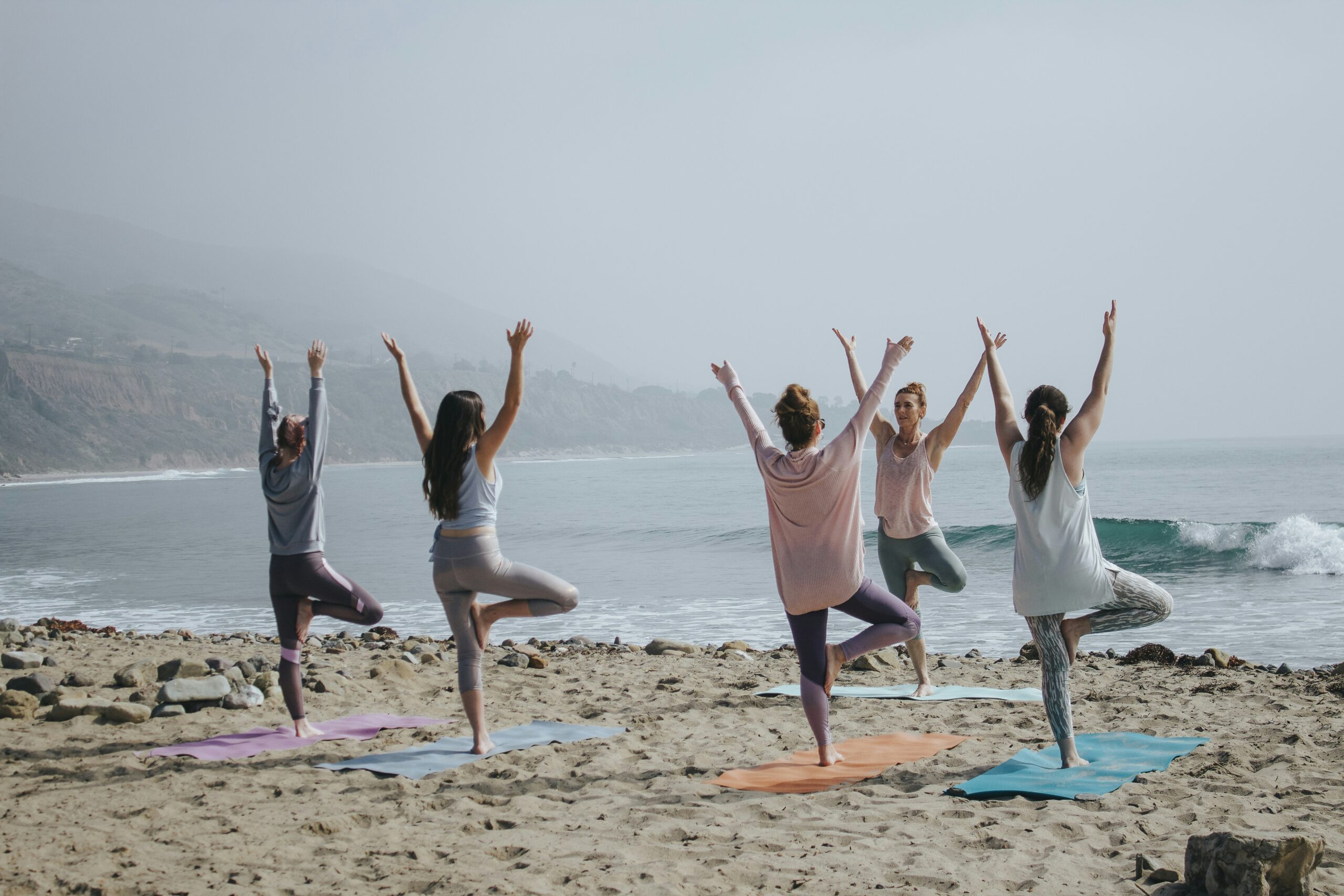
The slow wellness trend is gaining attention for one simple reason: people are so tired of extreme routines that promise everything but ultimately deliver burnout…and nothing close to the results they were aiming for. Instead of chasing constant or even just temporary wellness, the slow wellness trend focuses on small, repeatable habits that fit into your own real life. These tiny shifts can feel subtle as part of your daily life, but don’t me mistaken — over time, they create meaningful changes in how the body and mind feel.
What makes the slow wellness trend stand out is how approachable it is and how it actually works if consistently integrated into your life. There’s no pressure to overhaul your schedule or commit to rigid plans. The slow wellness trend invites consistency over intensity, allowing wellness to become something you live with rather than work toward.
For a lot of people (including ourselves, admittedly), this approach feels like a relief. The slow wellness trend reframes health as something that builds quietly through everyday choices, not something earned through exhaustion. That mindset is reshaping how people think about care, balance, and longevity — here’s what it’s all about.
What the Slow Wellness Trend Means
The slow wellness trend is not a routine, a checklist, or a lifestyle overhaul. It’s a reframing of how we think about health when constant optimization stops working. The slow wellness trend focuses on longevity rather than quick wins, which means the goal shifts from doing more to doing what you can actually sustain without resentment. When wellness stops feeling performative, it becomes something we return to naturally instead of something we fall off.
Why Small Habits Matter More Than Big Overhauls
Big overhauls feel productive at first, then collapse under their own weight. The slow wellness trend exists because most people don’t fail at health due to lack of effort, they fail because the effort required is unrealistic. The slow wellness trend values habits that survive stress, bad weeks, and low motivation.
Think about it this way: a habit really only works if it shows up when life isn’t ideal. Drinking a glass of water, stepping outside for a quick minute, or slowing down for a single meal doesn’t look impressive, but this wellness trend is built on the idea that boring consistency outperforms intensity every time.
How This Wellness Trend Fits Into Busy Lives
Busy lives don’t need more wellness tasks that take hours upon hours to do, and that’s why the slow wellness trend integrates into what’s already happening instead of asking for added time blocks. The slow wellness trend uses pauses, transitions, and margins in your daily life rather than morning routines that require alarms or evenings packed with rules.
Morning Rituals That Support
Morning rituals within this wellness trend aren’t about starting strong. They’re about starting gently. Examples that align with the slow wellness trend:
• Sitting up before grabbing a phone
• Stretching without counting reps
• Letting the day begin quietly instead of reactively
These actions don’t aim to control the day, but rather they reduce the shock of waking up already behind schedule, which is often what drains energy before noon.
Evening Wind Down Practices That Promote Recovery
Evenings are where the slow wellness trend does its most important work, because recovery determines tomorrow’s capacity. The slow wellness trend doesn’t rely on strict night routines. It relies on predictability. Dimming lights earlier. Reducing decision making. Repeating the same calming actions night after night. We don’t force sleep, we invite it. That distinction is why the slow wellness trend supports recovery instead of fighting fatigue.
The Role of Rest in This Wellness Trend
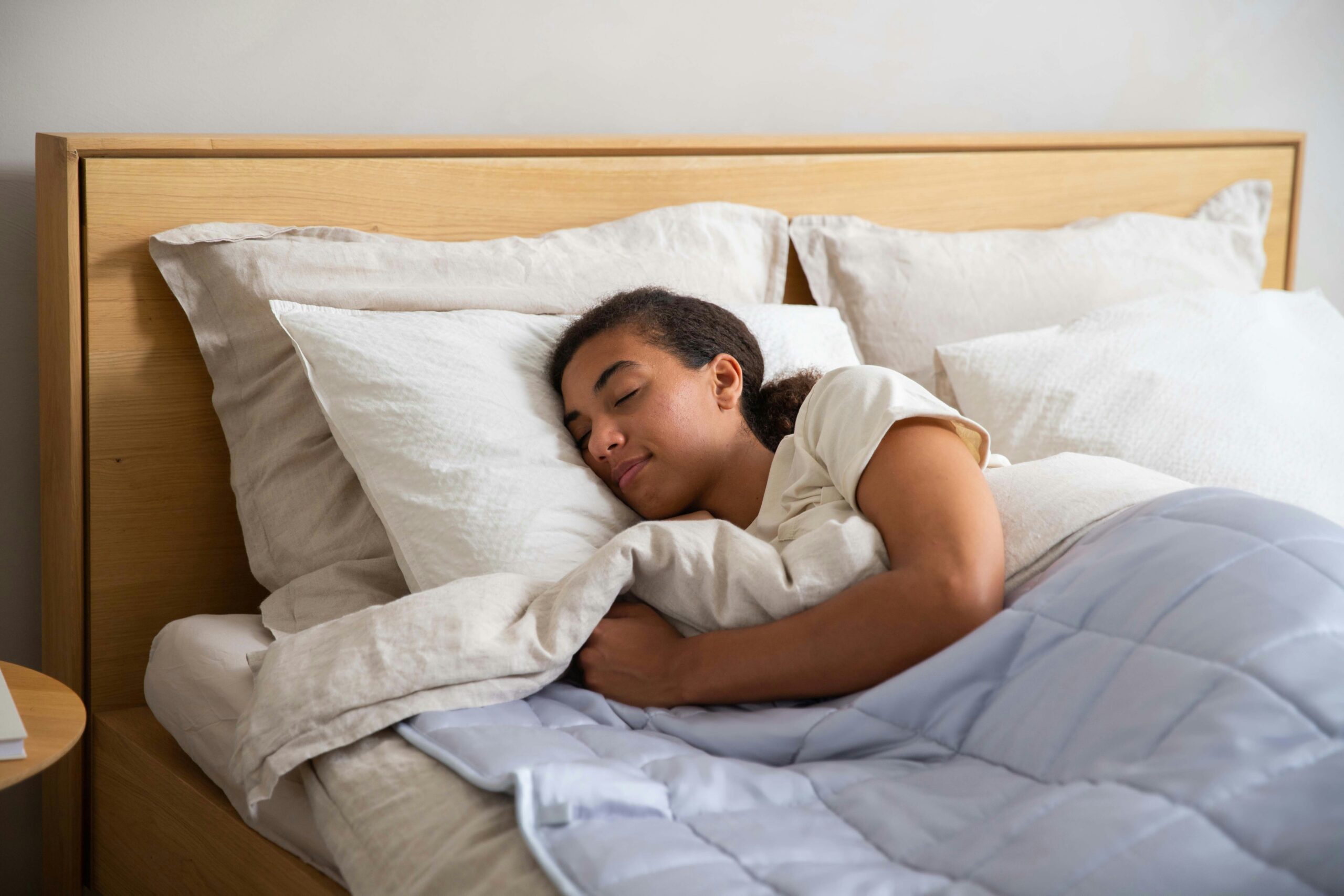
Rest is not a bonus part of the slow wellness trend, it’s actually the structure holding everything else together. Without rest, movement becomes a form of punishment to your body and nutrition becomes control. The slow wellness trend reframes rest as something proactive; basically, with this trend, you stop waiting until exhaustion justifies it. Instead, you treat rest as maintenance, the same way we treat sleep, hydration, or breathing. That shift alone changes how sustainable health feels.
How to Start This Wellness Trend Without Pressure
Our advice for jumping on this wellness bandwagon? Forget plans. Forget tracking. Forget fixing yourself. To start the slow wellness trend, pick one thing that already feels grounding and stop rushing it. That might be a shower, a walk, a meal, or a moment of quiet. Repeat it intentionally. The slow wellness trend grows through trust, not discipline, and pressure is the fastest way to break that trust.
Bring Slow Wellness Into Your Life Today
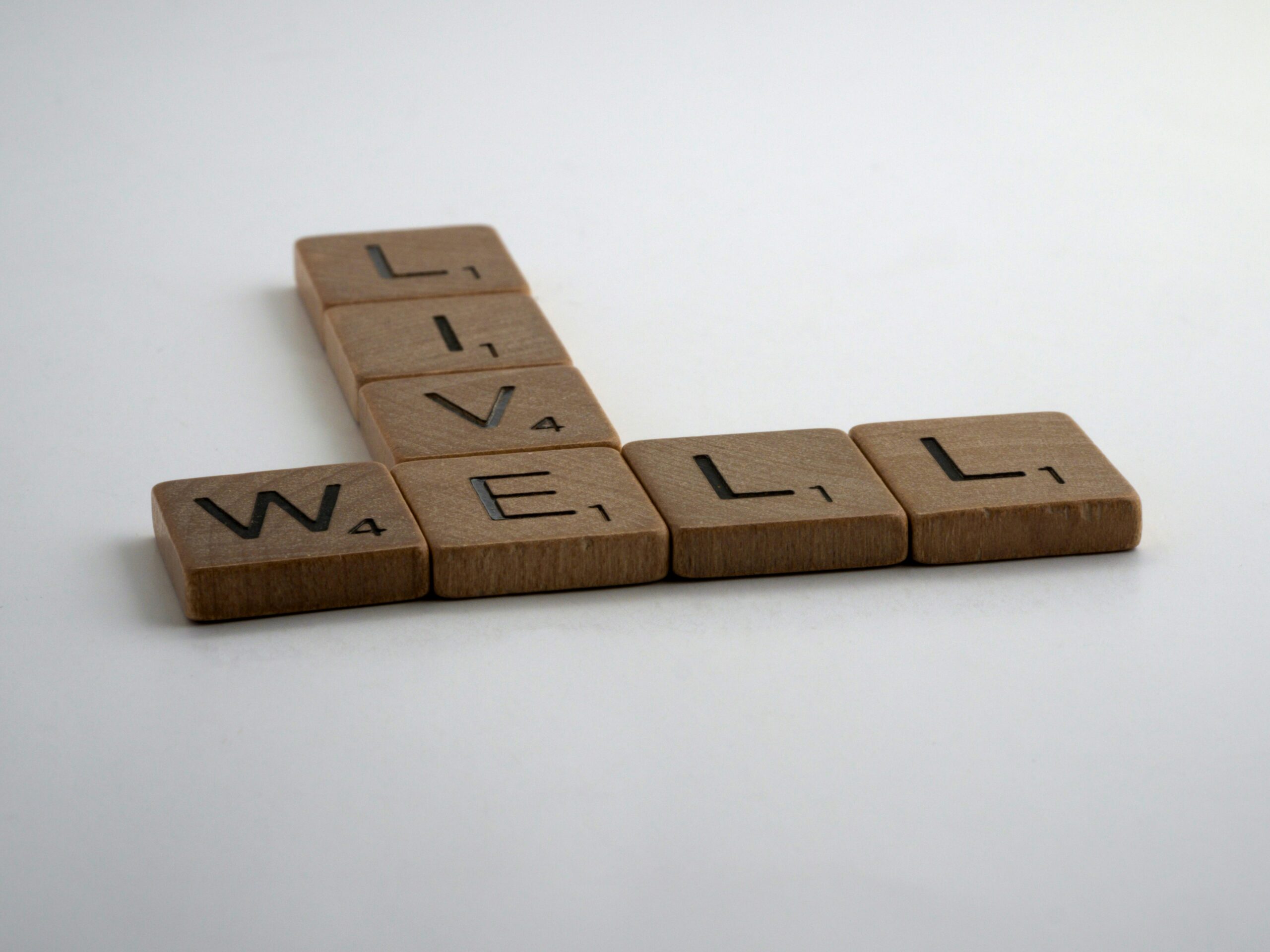
The slow wellness trend matters right now because stress and fatigue are no longer occasional issues, they’re constant. Small daily rituals offer stability in a way dramatic changes often cannot. This wellness trend creates space for health to grow without demanding more energy than people already have.
What’s powerful about this wellness trend is how sustainable it feels. These habits don’t rely on motivation spikes or perfect weeks. They work because they’re flexible, forgiving, and rooted in long term support rather than short term results.
Choosing this wellness trend means choosing progress that lasts, and that starts with your morning routine. When wellness becomes something gentle and consistent, it stops feeling fragile. That shift can change how health shows up years down the line, starting with the smallest choices made today.




 Dive into insightful articles on health and wellness, nutrition, fitness, mental serenity, and so much more.

