Signs of Low Iron in Women + the Best Ways to Bring Your Levels Up

signs of low iron in women

We hope you love the products we recommend! Just so you know, Vitality Views may collect a share of sales or other compensations from the links on this page.

Feeling tired after a full night’s sleep? Struggling to focus even though you’re getting enough rest? Many women brush off these changes as stress or a busy schedule, but they can actually be signs of something more. Recognizing the signs of low iron in women early can help you address the problem before it begins affecting your daily life. Since iron plays a major role in carrying oxygen throughout the body, even mildly low levels can leave you feeling far from your best.

The tricky part is that the signs of low iron in women don’t always appear all at once. You might notice frequent headaches, shortness of breath during everyday activities, brittle nails, or an unusual craving for ice before realizing they could all be connected. Because these symptoms often overlap with other health concerns, many women go months without realizing that low iron could be the underlying cause.

Learning the signs of low iron in women is the first step toward improving your energy, supporting your overall health, and feeling like yourself again.

What Is Low Iron?
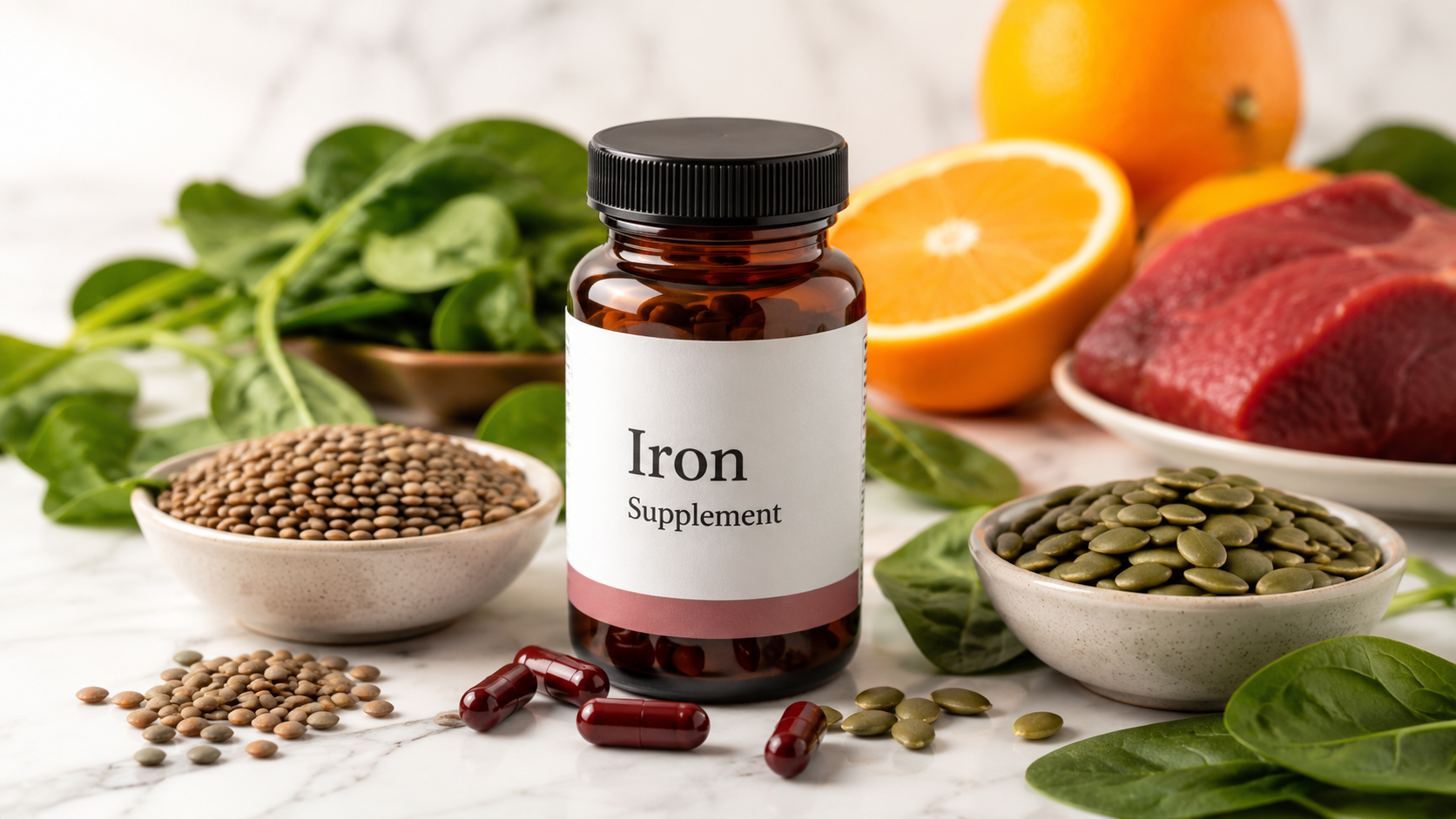
Iron is an essential mineral that your body relies on every day. Its primary job is to help produce hemoglobin, a protein found in red blood cells that carries oxygen from your lungs to every organ, tissue, and muscle. Without enough iron, your body can’t produce an adequate number of healthy red blood cells, which means less oxygen reaches the places that need it most. According to Yale Medicine, iron deficiency “is the most common nutritional deficiency worldwide (particularly affecting women).”  This is why people with low iron often feel tired, weak, or short of breath, even after getting plenty of rest. Learning the signs of low iron in women can help you recognize when your body may not be getting the oxygen it needs to function at its best.

Low iron develops gradually for many people: your body stores iron in a protein called ferritin, and those reserves are typically used first before iron levels become severely depleted. During this early stage, you may begin noticing subtle changes that are easy to overlook. Since the signs of low iron in women often appear slowly, it’s common to attribute them to stress, busy schedules, poor sleep, or simply getting older. Unfortunately, waiting until symptoms become severe can make recovery take longer.

It’s also important to understand that low iron and iron deficiency anemia aren’t exactly the same thing. Low iron means your body’s iron stores have declined, while iron deficiency anemia occurs when those depleted stores begin affecting your body’s ability to produce enough healthy red blood cells. Many women experience the signs of low iron in women long before anemia develops, making early recognition super valuable. According to the American Society of Hematology, “Iron-deficiency anemia is diagnosed by blood tests that should include a complete blood count (CBC).” For an in-depth look at your iron levels, we recommend getting a full bloodwork panel done (we like Function Health’s testing capabilities).

Related: 5 Reasons a Comprehensive Blood Panel is the New Checkup in 2026

What Are the Most Common Signs of Low Iron in Women?

signs of low iron in women

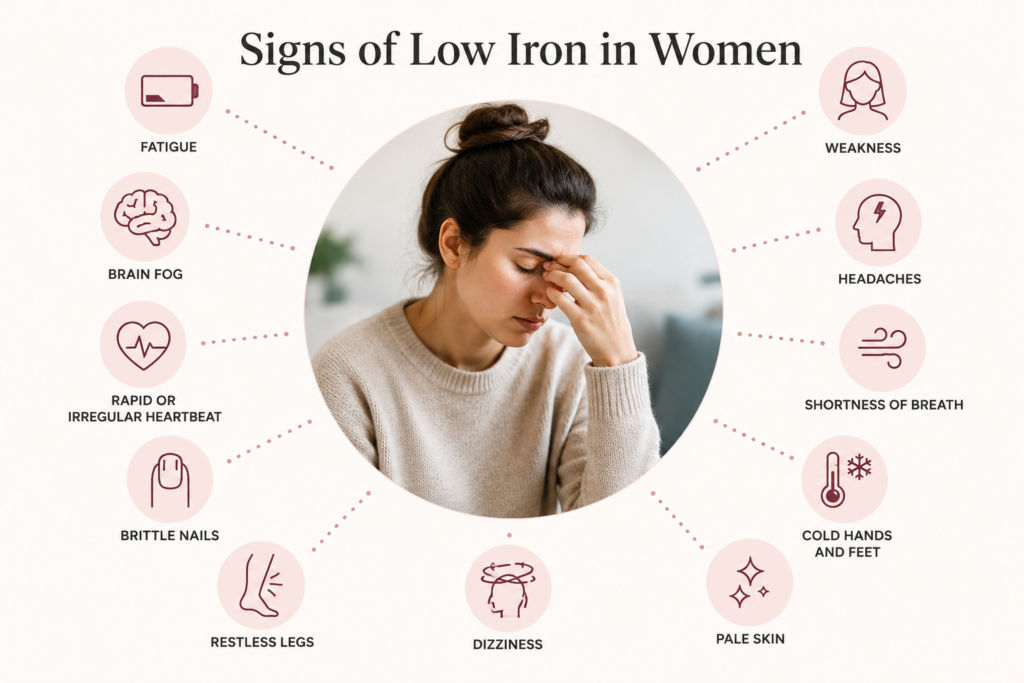
The signs of low iron in women can look different from one person to the next. Some women notice obvious fatigue that seems impossible to shake, while others experience symptoms that appear unrelated at first glance. Because iron plays a role in delivering oxygen throughout the body, nearly every organ system can be affected when levels begin to drop. Some of the most common signs of low iron in women are these:

  • Ongoing fatigue, even after a full night’s sleep
  • Weakness or reduced physical stamina
  • Difficulty concentrating or frequent brain fog
  • Headaches that occur more often than usual
  • Dizziness or lightheadedness
  • Shortness of breath during normal daily activities
  • Pale skin or pale inner eyelids
  • Cold hands and feet
  • Hair thinning or excessive hair shedding
  • Brittle or spoon shaped nails
  • A rapid or irregular heartbeat
  • Restless legs, especially at night
  • Cravings for nonfood items, such as ice, which is known as pica

Many of these symptoms develop slowly, making them easy to dismiss. You may simply assume you’re overworked or not getting enough sleep. In reality, your body could be signaling that it doesn’t have enough iron to transport oxygen efficiently. If several of these symptoms occur together or continue for weeks, it’s worth bringing them up with your healthcare provider.

Why Are Women More Likely to Develop Low Iron?

Women are significantly more likely than men to develop low iron because their bodies often have greater iron demands throughout life. Menstrual cycles are one of the most common reasons. Every month, blood loss naturally reduces iron stores, and women with heavy periods may lose enough iron that it becomes difficult to replace through diet alone. Recognizing the signs of low iron in women becomes especially important for anyone who experiences prolonged or unusually heavy menstrual bleeding.

Pregnancy is another major factor. During pregnancy, the body requires additional iron to support increased blood volume, the developing placenta, and the baby’s growth. If iron intake doesn’t keep pace with those higher demands, iron stores can become depleted. Even after delivery, some women continue rebuilding their iron levels during the postpartum period, particularly if significant blood loss occurred during childbirth.

Diet also plays an important role. Women who eat little or no meat may have a harder time meeting their daily iron needs because plant based iron isn’t absorbed as efficiently as the iron found in animal foods. That doesn’t mean vegetarian or vegan diets automatically lead to iron deficiency, but they do require more intentional meal planning to include plenty of iron rich foods.

Other health conditions can make it harder for the body to absorb iron. Digestive disorders such as celiac disease, inflammatory bowel disease, or a history of certain gastrointestinal surgeries may reduce iron absorption, even if someone is eating enough iron. Internal bleeding from stomach ulcers or colon conditions can also contribute to iron loss without obvious symptoms.

Certain lifestyle factors increase risk as well; edurance athletes, frequent blood donors, and women taking medications that affect the digestive tract may all be more likely to experience declining iron stores over time. Since the signs of low iron in women often appear gradually, routine checkups and blood work can help identify a problem before symptoms begin interfering with daily life.

The Best Foods to Help Raise Your Iron Levels

signs of low iron in women Grass-Fed Top Sirloin Steaks
Grass-Fed Top Sirloin Steaks

If testing confirms that your iron levels are low, improving your diet is often one part of the treatment plan. While food alone may not correct severe iron deficiency, regularly choosing iron rich foods can help restore healthy iron stores and support long term wellness. Understanding the signs of low iron in women is an important first step, but knowing how to nourish your body is just as valuable. Some of the best sources of iron include:

  • Lean beef
  • Chicken
  • Turkey
  • Liver
  • Oysters
  • Clams
  • Lentils
  • Black beans
  • Kidney beans
  • Chickpeas
  • Tofu
  • Spinach
  • Kale
  • Pumpkin seeds
  • Quinoa
  • Fortified breakfast cereals

Iron from animal foods, known as heme iron, is generally absorbed more efficiently than the nonheme iron found in plants. Even so, plant based foods can still make meaningful contributions to your daily intake, especially when paired with ingredients that improve absorption.

Related: Healthiest Steaks to Eat If You’re Watching Your Diet

Should You Take an Iron Supplement?

signs of low iron in women supplements vitamins minerals pills
Photo by Zhang liven on Unsplash

Iron supplements can be an effective treatment for iron deficiency, but they shouldn’t be taken simply because you suspect your iron is low. Since excess iron can be harmful, healthcare providers usually recommend blood testing before starting supplementation. If you’ve noticed the signs of low iron in women, your provider may order tests that measure ferritin, hemoglobin, and other markers to determine whether an iron supplement is appropriate.

If supplementation is recommended, your healthcare provider will help determine the correct dosage based on your individual needs. Iron supplements are often taken with vitamin C to improve absorption, while coffee, tea, calcium supplements, and certain medications may need to be taken at different times of the day. Many people also experience mild digestive side effects, including constipation or nausea, which is why following your provider’s recommendations is important.

Improving low iron takes time. Although some people begin feeling more energetic within a few weeks, restoring healthy iron stores often takes several months. Your healthcare provider may recommend repeat blood work to monitor your progress and determine when supplementation is no longer needed.

Treating low iron isn’t simply about relieving fatigue. It’s about addressing the underlying cause, restoring healthy oxygen delivery throughout the body, and protecting your long term health. Paying attention to the signs of low iron in women and seeking medical advice when symptoms persist can help you feel stronger, think more clearly, and get back to enjoying your everyday life.

Get Your Low Iron Fixed Today

Your body has a way of letting you know when something isn’t right, even if the signals seem small at first. Paying attention to the signs of low iron in women can help you take action before persistent fatigue, weakness, or other symptoms begin interfering with your work, family life, and overall well being. The sooner you understand what’s happening, the sooner you can begin feeling stronger and more energized.

Raising your iron levels often starts with simple changes, whether that’s eating more iron rich foods, improving iron absorption, or working with your healthcare provider to identify and treat the underlying cause. Every step you take today can help support healthier energy levels and better long term wellness.

We recommend that you don’t ignore symptoms that your body keeps trying to bring to your attention. Understanding the signs of low iron in women gives you the knowledge to advocate for your health, ask the right questions, and make informed decisions that can improve how you feel every single day. Sometimes one conversation with your healthcare provider is all it takes to get back on the path toward feeling your best.

Read Next: Summer Depression Symptoms: What Does Summer Depression Really Feel Like?

On Key

Related Posts

Subscribe to Our Newsletter Today!
Discover a world of well-being with our exclusive newsletter tailored just for you. 🌿🌞 Dive into insightful articles on health and wellness, nutrition, fitness, mental serenity, and so much more. 🏋️‍♀️🧘‍♂️
🌟
Subscribe to Our Newsletter Today! 🌟
Discover a world of well-being with our exclusive newsletter tailored just for you. 🌿🌞 Dive into insightful articles on health and wellness, nutrition, fitness, mental serenity, and so much more. 🏋️‍♀️🧘‍♂️