
As the seasons change, so do our lifestyles and daily routines. From the cozy warmth of winter to the vibrant energy of summer, each season brings unique challenges and opportunities. This is especially true when it comes to maintaining a consistent fitness regimen. Adapting fitness seasonally is not only practical but also essential for maximizing results and ensuring long-term success on your health and wellness journey.
Embracing Variety in Your Seasonal Fitness Routine
One of the key principles of adapting to seasonal fitness is embracing variety in your workout routine. During the colder months, indoor activities, such as strength training, yoga, and indoor cycling, provide a welcome reprieve from the chilly weather. On the other hand, swimming keeps you fit during the swimmer without subjecting you to heat and sweat.
Variety also involves having several different exercise locations. While going to the gym can offer a great, year-round workout option, you might sometimes find it hard to get there in severe weather. So, having at-home gym equipment enables you to maintain your fitness levels regardless of what it’s like outside. And you don’t have to invest in a fancy Peloton, either. Instead, you can simply get some dumbbells and a yoga mat and then access workouts online with an internet connection.
Having a variety of activities and locations also keeps your workout routines more interesting. As such, you might be more likely to stick to them. Don’t feel like waking up to run one day? That’s okay! Get up and throw on some dance music instead!
Get Innovative Equipment
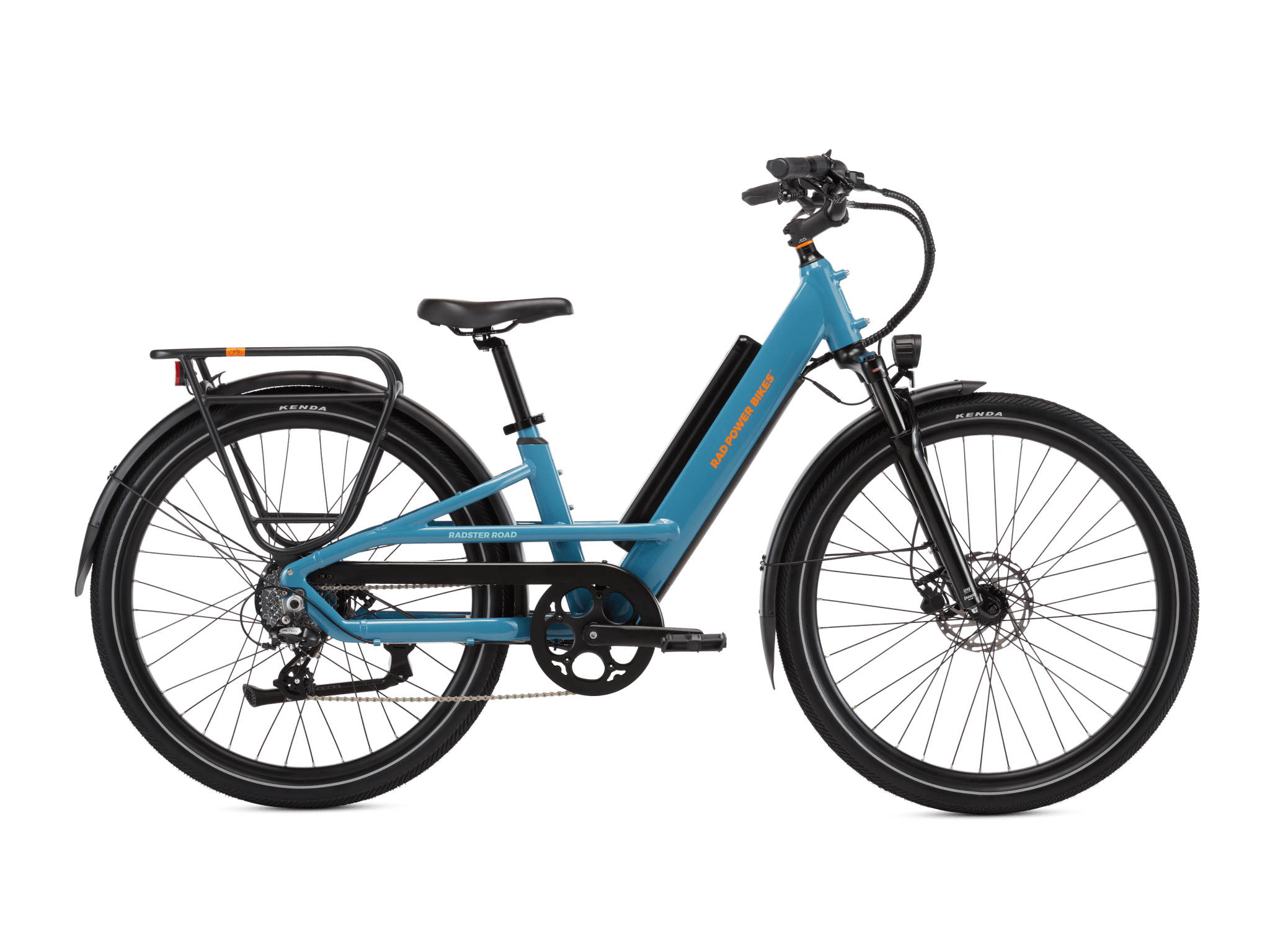
As the world begins to warm up, your options for how you exercise increase. During the spring and summer months, embrace your inner urge to soak up the sun by replacing your car with a bike ride! The
Radster Road Electric Commuter Bike from Rad Power Bikes combines the power of an electric bike, two ergonomic frame options, and a car-like turn signaling system for a fun and safe calorie-burning foray around town.
Listen to Your Body During Workouts

Another crucial aspect of adapting fitness seasonally is listening to your body and adjusting your workouts accordingly. Fitness trackers like Fitbit or Garmin can help you monitor your heart rate, activity levels, and sleep patterns, providing valuable insights into your overall health and well-being. Pay attention to signs of heat exhaustion or dehydration and adjust the intensity and duration of your workouts as needed. Likewise, in the winter, colder temperatures can impact your muscles and joints, making warm-up exercises and stretching even more important.
In particular, people with respiratory conditions, such as asthma, might want to avoid working out outdoors when it’s cold outside. The chillier weather constricts airways, exacerbating breathing conditions. If you do choose to do your workout outside, pack any needed medical equipment, such as an inhaler.
Finally, don’t push yourself too hard in extreme weather. In hot weather, you’re at risk for overheating, which often manifests in experiencing chills or feeling light-headed. If you experience these symptoms, immediately stop in a shaded area. Sit down and drink water. If the problems persist or become help, seek medical help.

Have Proper Clothes for Both Summer and Winter

Dressing properly for exercise can prove challenging, especially in the winter months. Still, having the right clothes enables you to work out in a wider variety of settings and helps you regulate your body temperature.
For exercise and movement, you need to get breathable clothing items. Steer away from clothes containing 100% cotton, which soaks up sweat, weighs you down, and causes chills. Instead, look for quick-drying clothes and items that wick away moisture. If you’re a runner, you’ll also want form-fitting options that make you more aerodynamic.
Stay Realistic
Often, when people start on seasonal fitness guide recommendations, they overload their schedules with working out. Still, to remain consistent and achieve your goals, your routine needs to fit into your schedule. Spending an hour and a half running every day might be realistic for some people, but it’s probably not practical if you’re a parent who works a full-time job and several side hustles. So, throughout the different seasons, keep your obligations in mind when planning your physical activities.
Setting Seasonal Exercise Goals
Setting seasonal goals is another effective way to adapt your fitness routine to the changing seasons. Whether it’s training for a spring marathon or building strength for winter sports, having specific goals can help keep you motivated and on track.
If you want to have even more fun in fitness, look for events that happen in locations you want to visit! For example, you might make it a goal to take a biking tour of a new city or even sign up for a class with a celebrity personal trainer.
No matter what you do with your own movement routine, make it fun! Enjoying your seasonal fitness is a key way to keep up your endurance and develop a new hobby. Want even more ways to have fun? Invite a friend to try your seasonal fitness training method.
Seasonal Nutrition

In addition to adjusting your workouts, adapting fitness seasonally also involves paying attention to your nutrition. Just as fruits and vegetables have their peak seasons, your dietary needs may also vary throughout the year. Create your own customized meal plans based on your dietary preferences and nutritional goals. In the winter, opt for hearty soups, stews, and root vegetables to provide warmth and nourishment during colder weather.
Before you change your diet, though, consult your physician. For some people, following a strict and specific diet is an absolute must to maintain their blood sugar or promote heart health. If you need to follow a diet, ask your doctor how you can adapt your food to seasonal nutrition trends.
Finding Balance
While it’s important to stay committed to your fitness goals, it’s equally essential to listen to your body and give yourself permission to rest and recover when needed. Incorporate rest days into your weekly routine, prioritize sleep, and don’t be afraid to take breaks when you feel fatigued or overworked.
Whether you’re hitting the gym in the winter or enjoying outdoor workouts in the summer, adjusting your fitness regimen helps you stay motivated and engaged. Likewise, you’re able to adjust your fitness routine logistically, making it more likely that you’ll stay on track!


 Dive into insightful articles on health and wellness, nutrition, fitness, mental serenity, and so much more.

