
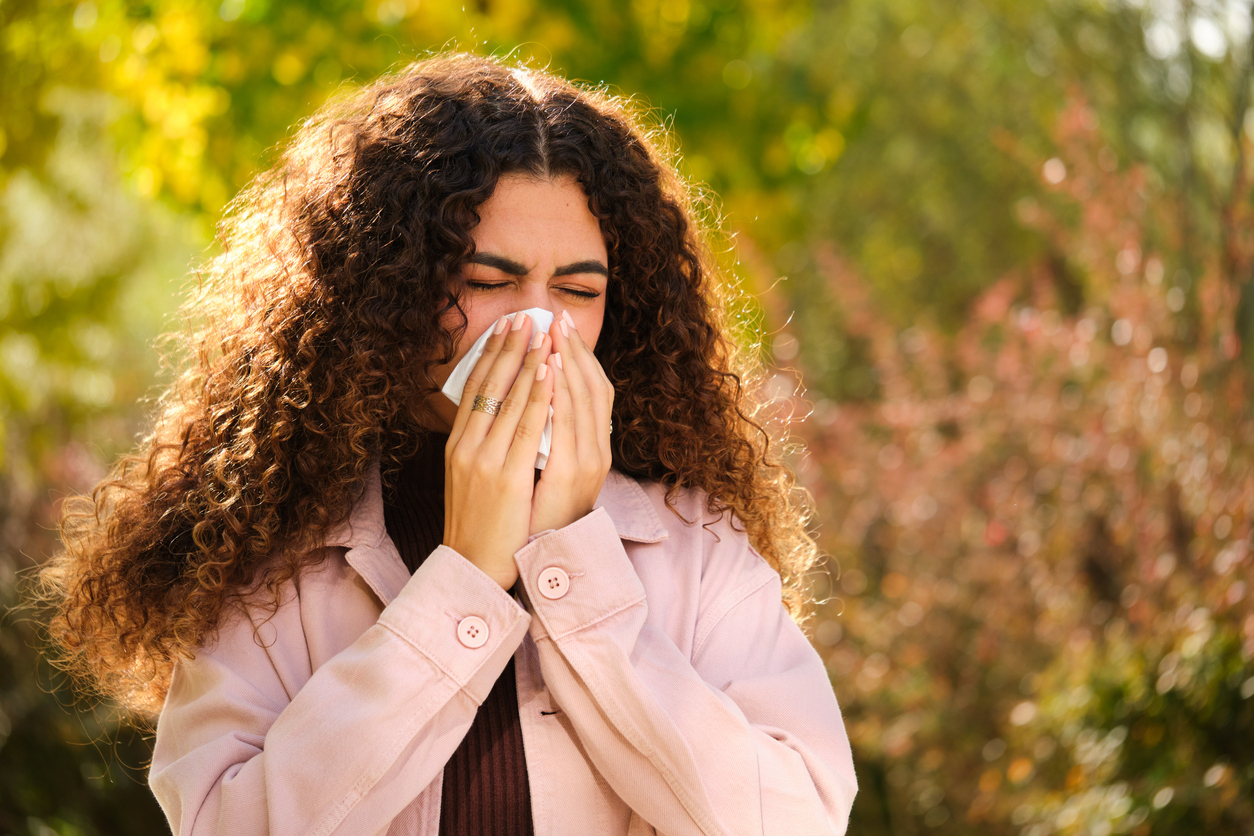
Fall is one of the worst times for seasonal allergy symptoms. While it’s common to get allergies in spring and summer, the colder months can also be an issue for many people. Between the household dust and the autumn tree pollen, it’s no surprise that allergy sufferers experience huge flare-ups in the fall.
One of the most important things you can do to protect your health during this time is to get ahead of your symptoms. When left untreated, seasonal allergy symptoms can affect your mood, energy, and even sleep. Understanding which triggers are at play and how to manage them is the key to keeping symptoms under control as the weather changes.
If you’re currently dealing with sneezing, coughing, and itchy eyes, it’s time to take a stand against these allergens. But in order to do so, it’s vital to understand what exactly causes these reactions. We’ll also share what you can take in order to fight these seasonal allergy symptoms so you can finally start to enjoy the fall season.
What Are Seasonal Allergies?
Seasonal allergies are reactions our bodies have in response to certain allergens. While allergies can happen at any time, they can be especially problematic during certain seasons due to different environmental and lifestyle circumstances. When these allergens enter our bodies, our immune systems trigger an inflammatory response, just as if the allergens were harmful substances. As a result, we often experience certain seasonal allergy symptoms, like sneezing, coughing, and having a runny nose.
Seasonal Allergy Symptoms
Not sure if what you’re experiencing could be considered seasonal allergies? Here are some specific seasonal allergy symptoms to look out for:
- Sneezing
- Runny nose
- Stuffy nose
- Itchy eyes
- Coughing
- Fatigue or tiredness
- Sore throat
- Wheezing
- Shortness of breath
- Sinus pressure and headaches
5 Common Causes of Seasonal Allergy Symptoms in the Fall

While there can be many causes for season allergy symptoms in these colder months, here are the most common:
1. Ragweed Pollen
Ragweed pollen is one of the most prevalent allergens during the autumn months. Also known as hay fever weed, this flowering plant can be found all over North America and Europe. The pollen can travel for miles through the air, which can trigger seasonal allergy symptoms even if you don’t live near rural fields or meadows.
2. Mold Spores
While mold spores can be triggering in the springtime, they are also a common cause for allergies during fall. This is because mold grows rapidly in wet, damp conditions (like fallen leaves or poorly ventilated rooms). Therefore, you may find yourself experiencing allergy symptoms both indoors and outdoors.
3. Dust Mites
As the weather gets colder, more and more people turn the heaters on in their homes. This can stir up dust, which has been accumulating in air vents, carpets, bedding, and other textiles. If you have a dust mite allergy, you may find yourself experiencing more seasonal allergy symptoms when this happens!
4. Pet Dander
Pet dander allergies aren’t necessarily restricted to just the fall months. But since pets spend more time indoors during the colder months, you may find you’re reacting strongly to their dander. Pet dander can also accumulate within the household if it’s not cleaned or aired out often (so make sure to keep things tidy as much as you can).
5. Tree Pollen
There are some trees that release allergy-inducing pollen during the fall. For example, cedars and pines are two great examples, as they can be found all over the country. But even if you are living outside of an area with lots of cedar and pine trees, you may still react to the pollen as it can travel long distances in the air.
4 Solutions for Seasonal Allergy Symptoms
These solutions may help qualm seasonal allergy symptoms:
Antihistamines
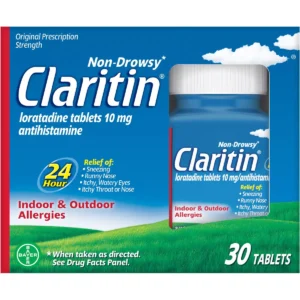
Our bodies release histamines when dealing with allergens. These histamines can cause certain symptoms, like sneezing, itching, and a runny nose. To combat these problems, many people take antihistamines for relief. Antihistamines come in many different forms, although they are generally taken in pill form. Loratadine (Claritin), Cetirizine (Zyrtec), and Diphenhydramine (Benadryl) are three of the most common over-the-counter medications to fight seasonal allergy symptoms.
Nasal Decongestants
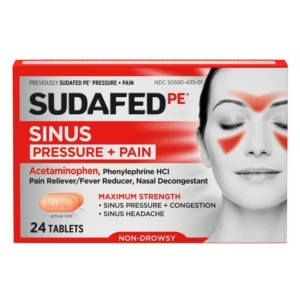
If you are suffering from a blocked, stuffed, or runny nose, nasal decongestants might be able to help. They work to shrink swollen blood vessels, allowing you to breathe freely even during bad allergy attacks. However, it’s important to keep in mind that decongestants should not be used for more than a week at a time.
You can take a nasal decongestant as a spray, like Oxymetazoline (Afrin), or as a tablet, like Pseudoephedrine (Sudafed).
Eye Drops
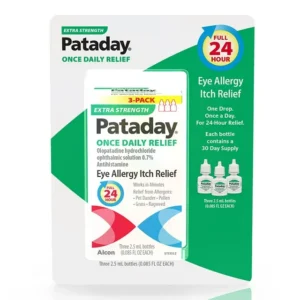
Another common seasonal allergy symptom is having inflamed, itchy, or red eyes. For relief, it’s highly recommended to use medicated eye drops. Those that are formulated specifically for allergies contain antihistamines to combat these symptoms. One of the most popular antihistamine eye drop medications is Olopatadine (Pataday). You may also find that a decongestant eye drop helps, like Naphazoline (Clear Eyes).
If you prefer an eye drop without an antihistamine or decongestant, look for ones made out of pure saline. Not only can they hydrate and flush out particles, but they can also be used alongside other allergy medications.
Cough Suppressant or Throat Spray
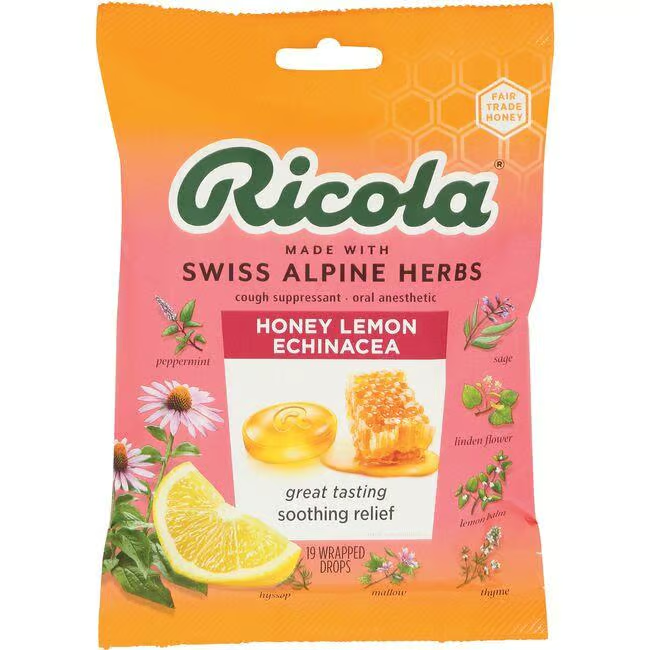
Sore throat and coughing can be an extremely irritating seasonal allergy symptom. They can be caused by the allergen itself or by having a post-nasal drip. But no matter what the reason, there are thankfully several things you can take to help soothe your throat and lungs.
Dextromethorphan (Robitussin) is a must-have for reducing allergy-related coughing. It’s an over-the-counter cough suppressant that thins mucus and relieves chest congestion, too. If you have an itchy throat, you can also suck on cough suppressant drops with menthol or an immune-boosting throat spray with zinc.
Surviving Seasonal Allergy Symptoms in the Fall

Allergies don’t just happen in the spring – they can also be extremely problematic for many people in the fall. But understanding what causes these seasonal allergy symptoms is the first step to finding relief. If you’re unsure if allergies are the cause of your symptoms, schedule an appointment with a doctor or allergist. They can confirm your seasonal allergy symptoms and develop a specific treatment plan to keep your problems at bay.
Incorporating a few preventive practices can also reduce the intensity of seasonal allergy symptoms. Try keeping your windows shut during peak pollen times, cleaning air filters regularly, and showering after being outdoors. These small adjustments can make a big difference in your daily comfort level. Don’t wait until your symptoms get worse, take steps now to keep your seasonal allergy symptoms in check.





 Dive into insightful articles on health and wellness, nutrition, fitness, mental serenity, and so much more.

