
If you’re looking for a way to indulge in your favorite adult beverage without compromising your health-conscious lifestyle, then you’ve come to the right place. In this article, we explore the world of low-calorie dry white wine and help you savor the flavors without the guilt.
How to Balance Your Calories for Weight Loss

If you’re wanting to lose weight without giving up any of the foods you love, WeightWatchers is a fantastic way to see real results without restrictions. Instead of telling you to stay away from certain foods, their Points® Program is based on the latest nutritional and behavioral science and actually guides you to healthier eating while still enjoying your favorite foods. The results? An eating plan that actually works.
The approach is simple: sign up, answer a few quick questions, and you’ll receive a customized nutrition plan fit your goals and lifestyle. Learn more today and start reaching your goals!
Unleashing the Beauty of Dry White Wine
Dry white wine, known for its crisp and refreshing profile, remains a popular choice among wine enthusiasts (and we like the options from Wine.com). These wines typically come from grapes, like Chardonnay, Sauvignon Blanc, and Pinot Grigio. Their distinct absence of residual sugar makes them drier and less caloric than their sweeter counterparts.
Compared with Other Wine Types
Dry white wine stands out as a healthy choice when compared to other types of wine. Red wines, for example, feature significantly higher calories due to their higher alcohol and sugar content. Sweet white wines are even more caloric because they are intentionally crafted to be sweet. So, they remain less friendly to the calorie-conscious. Dry white wine, on the other hand, includes less sugar, resulting in a beverage that’s kind to your calorie intake.
The Benefits of Moderation
While enjoying a dry white wine that doesn’t have many calories can be part of a balanced lifestyle, remember the value of moderation. Even though these wines are lower in calories, they still contain alcohol, and excessive consumption can have negative health implications. Always drink responsibly, and if you have any health concerns, consult with a medical professional before adding wine to your diet.
The Dry White Wine Spectrum
Not all dry white wines are created equal when it comes to calorie content. The caloric value can vary based on the specific grape variety, winemaking techniques, and alcohol content. For those looking to be more precise in their calorie counting, here’s a general guideline:

Sauvignon Blanc: Sauvignon Blanc wines are typically lower in alcohol and calories, making them an excellent choice for calorie-conscious consumers.
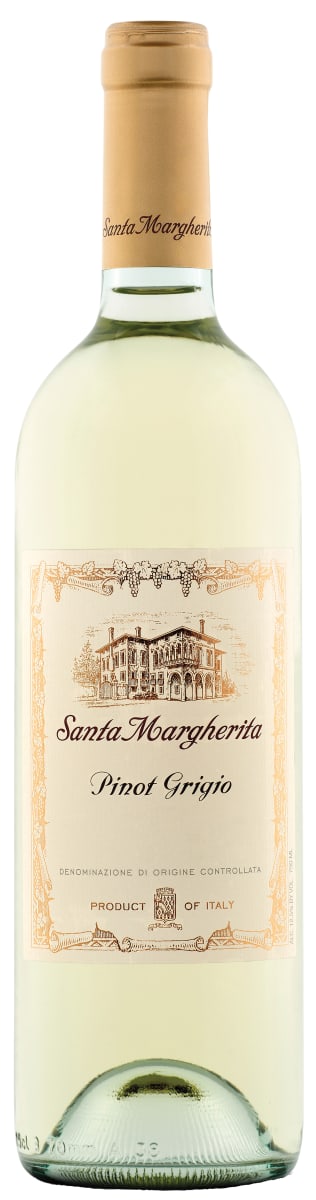
Pinot Grigio: This Italian classic is known for its bright acidity and is often lighter in calories compared to Chardonnay or Viognier.
Chardonnay: While Chardonnay wines can vary in calorie content, those with lower alcohol and oak aging tend to be more diet-friendly.
Exploring Low-Calorie Wine Brands
If you’re searching for specific brands known for producing dry white wine that doesn’t have many calories, look for those with “low-alcohol” or “light” on the label. Check out Wine.com for more options to choose from. They prioritize producing wines with lower alcohol content and fewer residual sugars, ensuring that their wines are lower in calories.
Remember, enjoying wine is all about savoring the moment and complementing your healthy lifestyle. So, toast to good health with a glass that doesn’t have many calories, and relish the harmony it brings to your life.


 Dive into insightful articles on health and wellness, nutrition, fitness, mental serenity, and so much more.

